
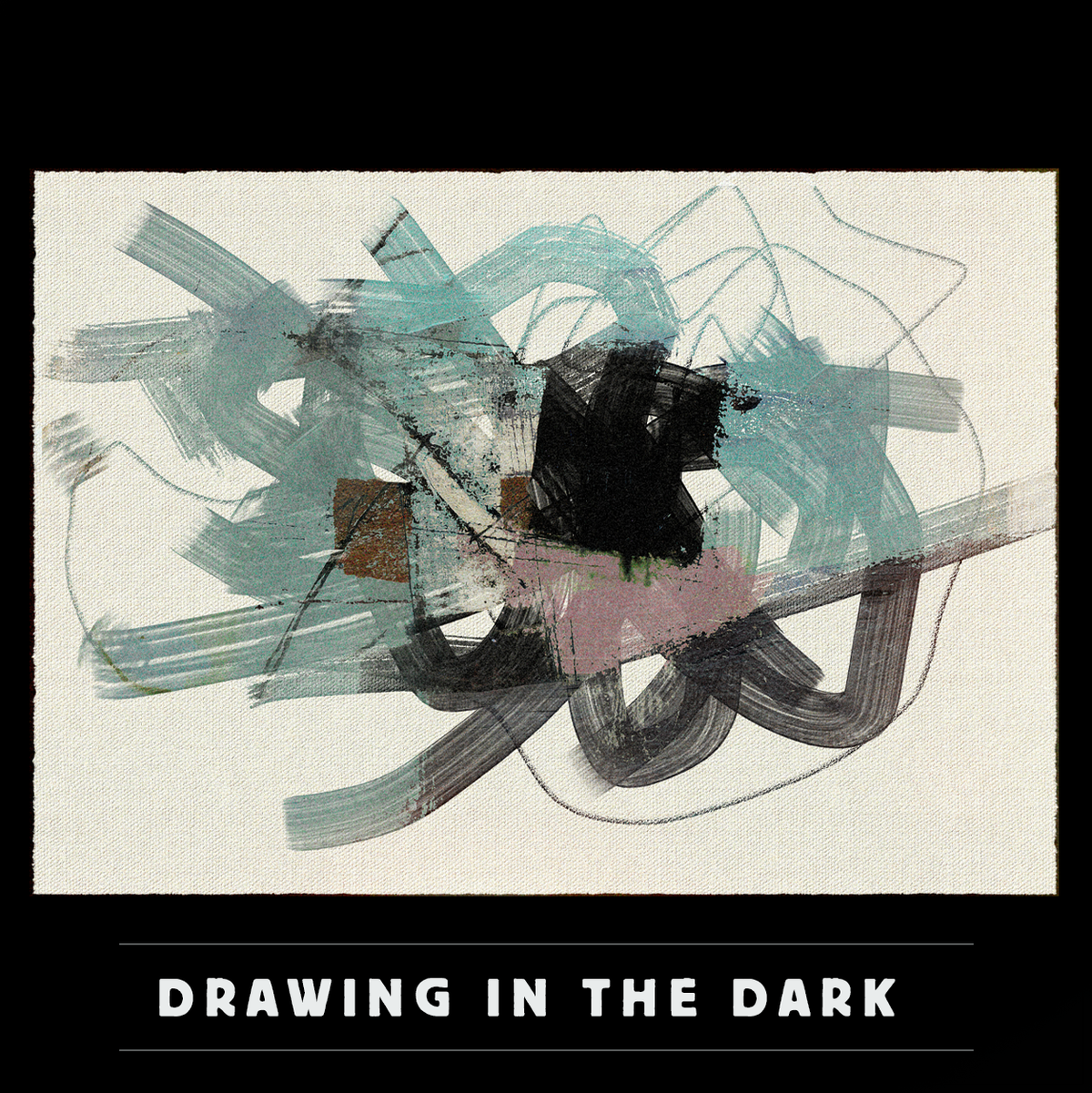
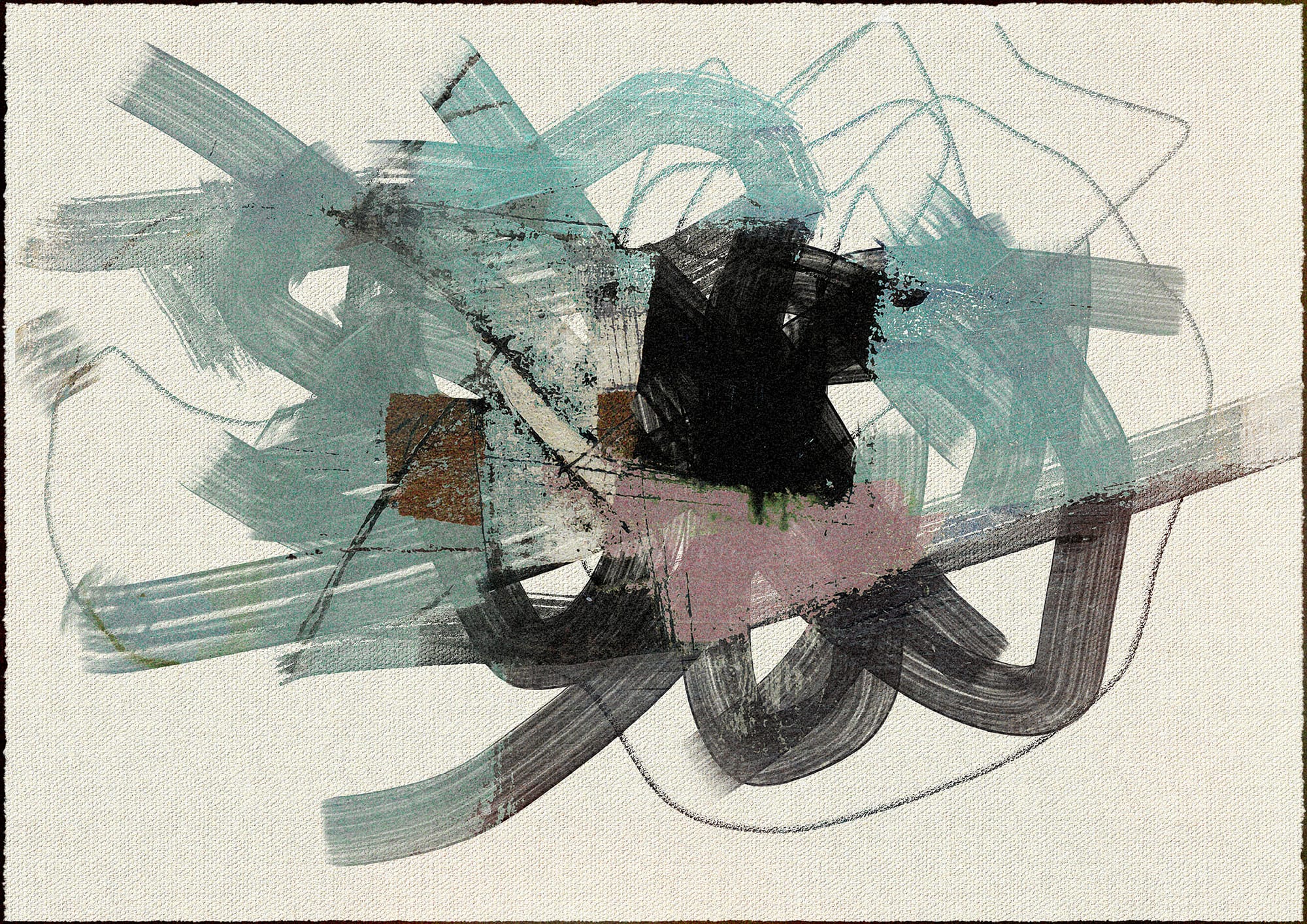
In 1954, Cy Twombly was serving in the army at Camp Gordon near Augusta, Georgia, working as a cryptographer during the day. He had already studied painting, including time at Black Mountain College with Motherwell and Kline, which was one of the best art educations available at the time. So what did he do with all that training? On weekends, he would rent a hotel room in Augusta, turn off the lights, and draw in the dark.
He was doing this to try to disrupt his own technique. After years of perfecting his drawing style, he was now undoing it at night, degrading it, deliberately, the way you might unravel a jumper after you have spent a long time knitting it. The loose, awkward lines he made in those hotel rooms became central to his later work: scribbled loops that look like handwriting from a language no one understands.
Once your hand is trained, it starts to act on its own. We have all experienced it – autopilot with the camera settings, the same tried-and-tested recipes in post-processing. Practice can make your movements automatic, so your work becomes a product of habit instead of intention. Every skill can become a rut that’s hard to escape. Twombly couldn’t just decide to draw like a beginner—his hand wouldn’t let him. So he took away what his hand relied on: his sight. Beginners don’t have this problem because you can’t break a habit you never formed. The jumper has to be knitted before you can unravel it.
Kazuo Shiraga took things even further. He had trained in nihonga – painting in mineral pigments and animal glue on paper and silk. It was a discipline given that name only in the 1880s to distinguish it from the oil painting arriving from Europe. Although it was barely sixty years old, it was taught as if it went back centuries. In 1954 he threw the brushes away. His hands, he said, were too trained. In the mid-1950s, before he joined the Gutai group, he almost stopped using his hands altogether. He would hang from a rope above the canvas and paint with his feet, swinging through wet paint. His feet had neither dexterity nor draftsmanship; they were clumsy and inept. That was exactly what he wanted.
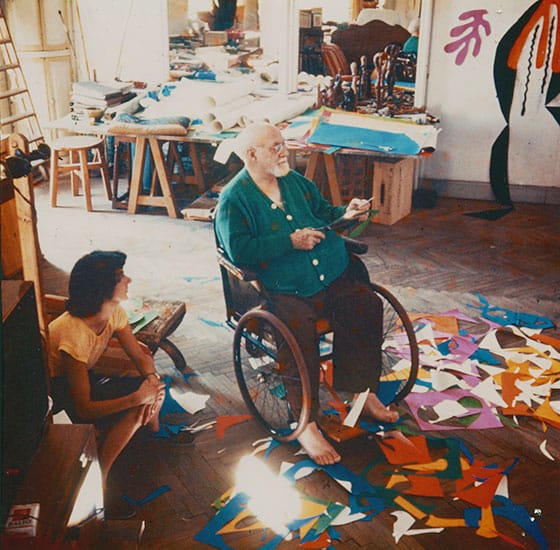
Matisse chose his unlearning first and had it imposed on him later. In 1931, at work on the Barnes mural, he chose to use a stick of charcoal tied to a bamboo pole, much as Twombly chose the dark. The lines he made this way were bigger, slower, and simpler than anything he could have done with his practised hand. He sacrificed the wrist's trained agility in favour of the arm's bigger, slower line. In 1941 surgery took that choice away.
It did, however, leave him the scissors. He had used paper cut-outs for planning before, but his incapacity forced him to use them more creatively. He worked from a bed, then a chair, and the paper cut-outs became the work itself. In 1948 the pole returned. For the chapel at Vence he drew on paper pinned to the walls, charcoal lashed to a long cane, from a wheelchair. What he had taken up as an experiment seventeen years earlier was now the only way he could reach the wall.
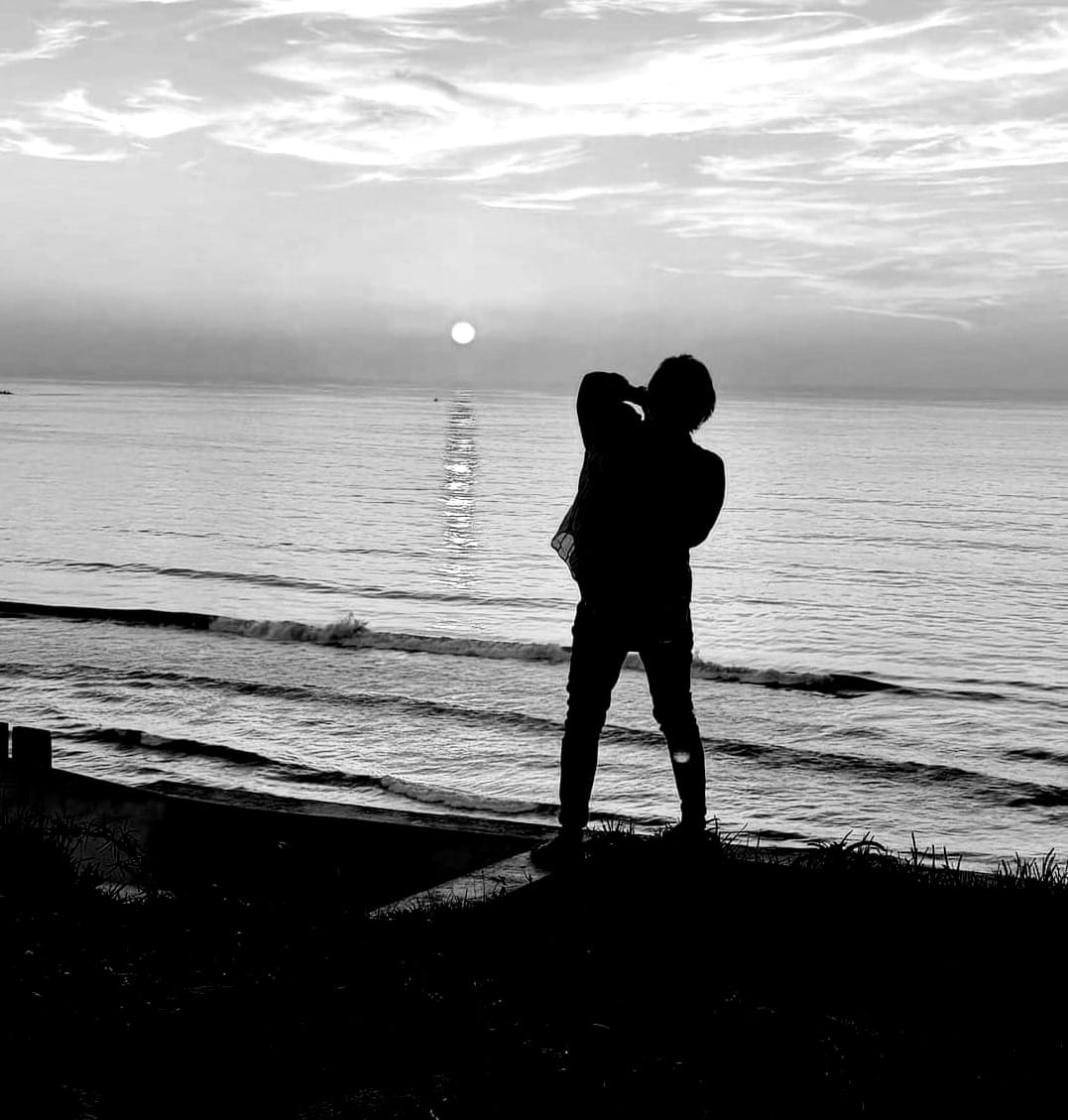
This brings me, in a roundabout way, to photography. Photography must be the only visual art that is engineered to remove the artist's touch. The tripod, the fast shutter, stabilisation in the lens and again in the sensor, now the algorithms as well: all of it works to scrub away any evidence that a person was holding the camera. Read a camera manual sometime and notice what it details. The specs conspire to produce the perfect image. Manufacturers compete on how thoroughly they can stop your movement from reaching the photograph.
For most photography, this is no loss, because the voice was never in the camera to begin with. It's in where you stand, and in what you refuse to point the lens at. It is slightly different for those of us working with ICM.
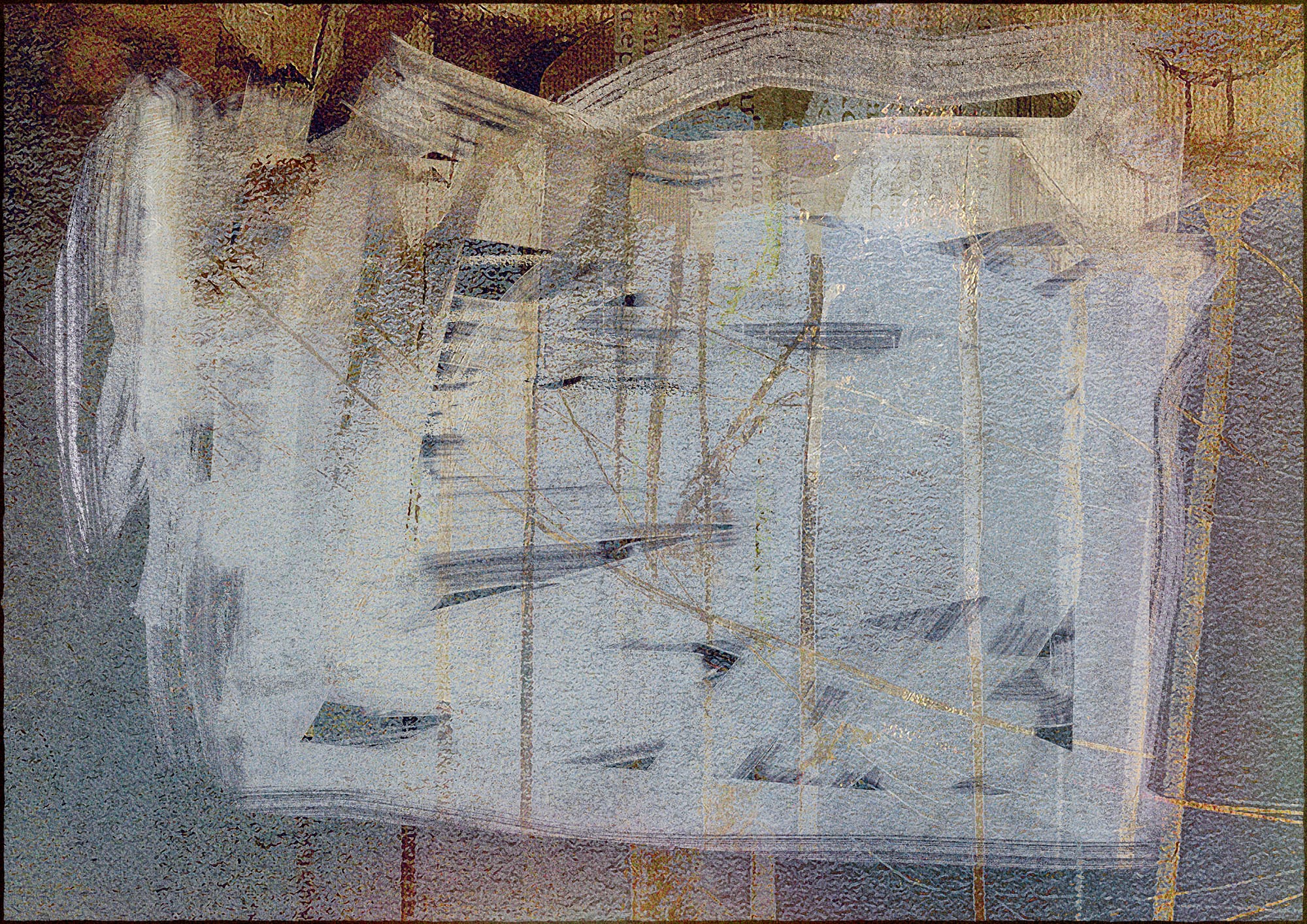
A long exposure where you move the camera is as much a mark of the arm as a brushstroke, and we could convincingly argue that it follows the same rules. Which would mean it faces the same problem Twombly had in his hotel room. The gesture becomes automatic. The sweep you’ve done a thousand times happens on its own—smooth, confident, maybe even a little predictable. I know my own habits well enough to feel the guilt. My multiple exposure settings are engaged instinctively, quickly, almost by rote. Over the years my brain has amassed a goodly selection of recipes that I can employ at any given location. My ICM movements follow the horizon; years of standing in front of the ocean have laid down habits that are hard to break.
Of course there are two ways of looking at it. A gesture can absolutely be the backbone of your work. We often talk about a series being connected by colour or maybe place, but movement can also unite them. One repeated motion of the arm, even across very different subjects, can become a signature. You can spot a Twombly loop from across a room before you recognise anything else in the picture. If your camera movement is that recognisable, it’s not necessarily something to try to iron out. A project built around that same movement, regardless of subject matter – can say more about you than any written statement could.
However, if you feel that your gesture has become too smooth, try to disrupt it. Using your non-dominant hand is the usual way to start. Hold the camera differently. Close your eyes. This is what Twombly did in Augusta: removing control so the trained hand has no say in the matter.
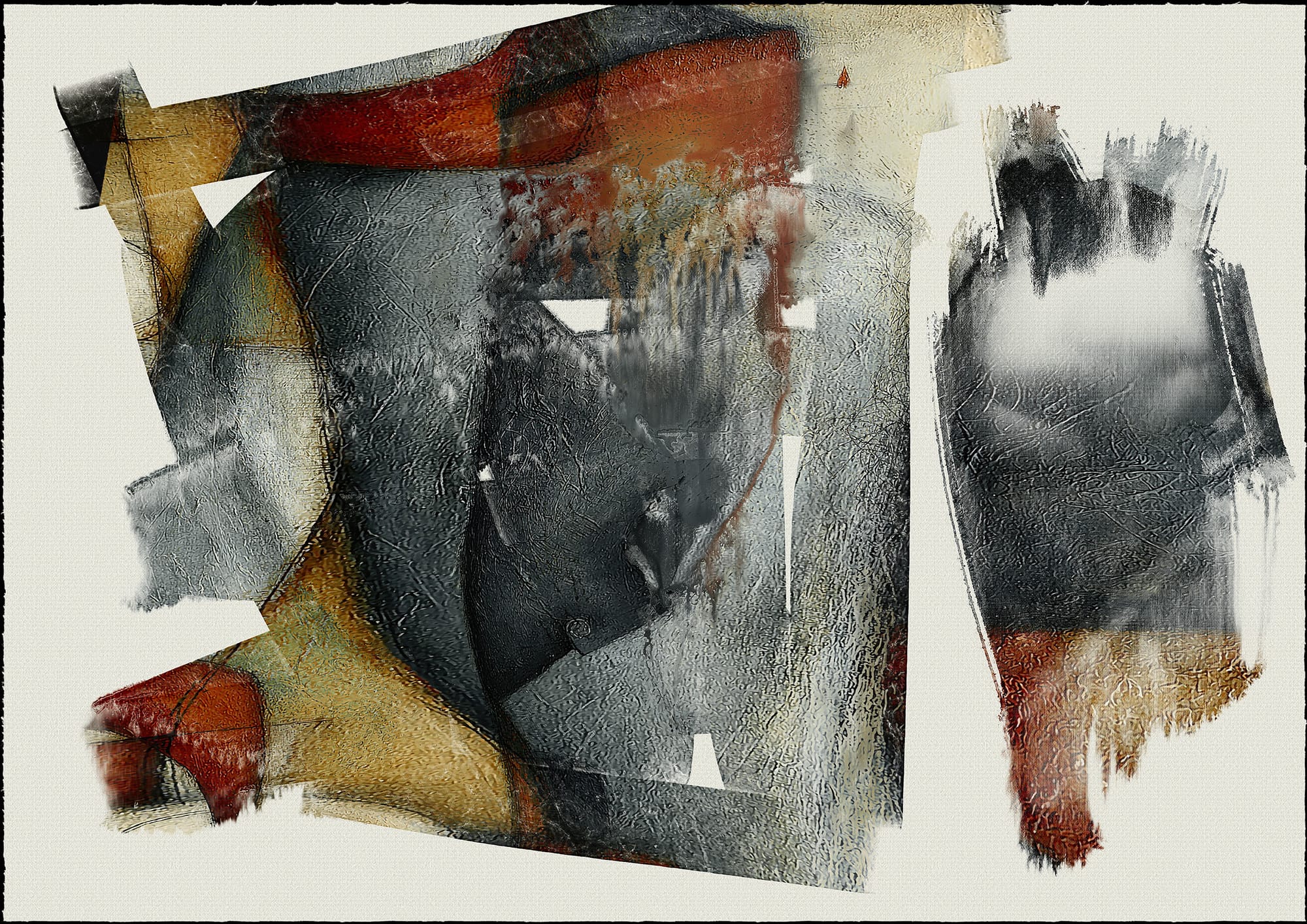
Kazuo Shiraga hung from a rope and painted with his feet precisely because his feet knew nothing. However, the foot that started out knowing nothing improved. As feet are wont to do. It kept improving for fifty more years, swinging over canvas after canvas until, predictably, his once-ignorant foot became as skilled as any hand in Japan.
What was Twombly after in that dark room? It wasn’t about style, I think: the mark from before all his training intervened. Who knows if it is really possible to get that back. The blind drawings still came out looking like Twomblys.
Most of us have spent years getting better. It might be worth an evening, lights off, to find out what we are striving to get better than. The wool is probably still in there, under all that knitting.
"So decades of craft are a liability, and my blurry mistakes are art. How convenient"