
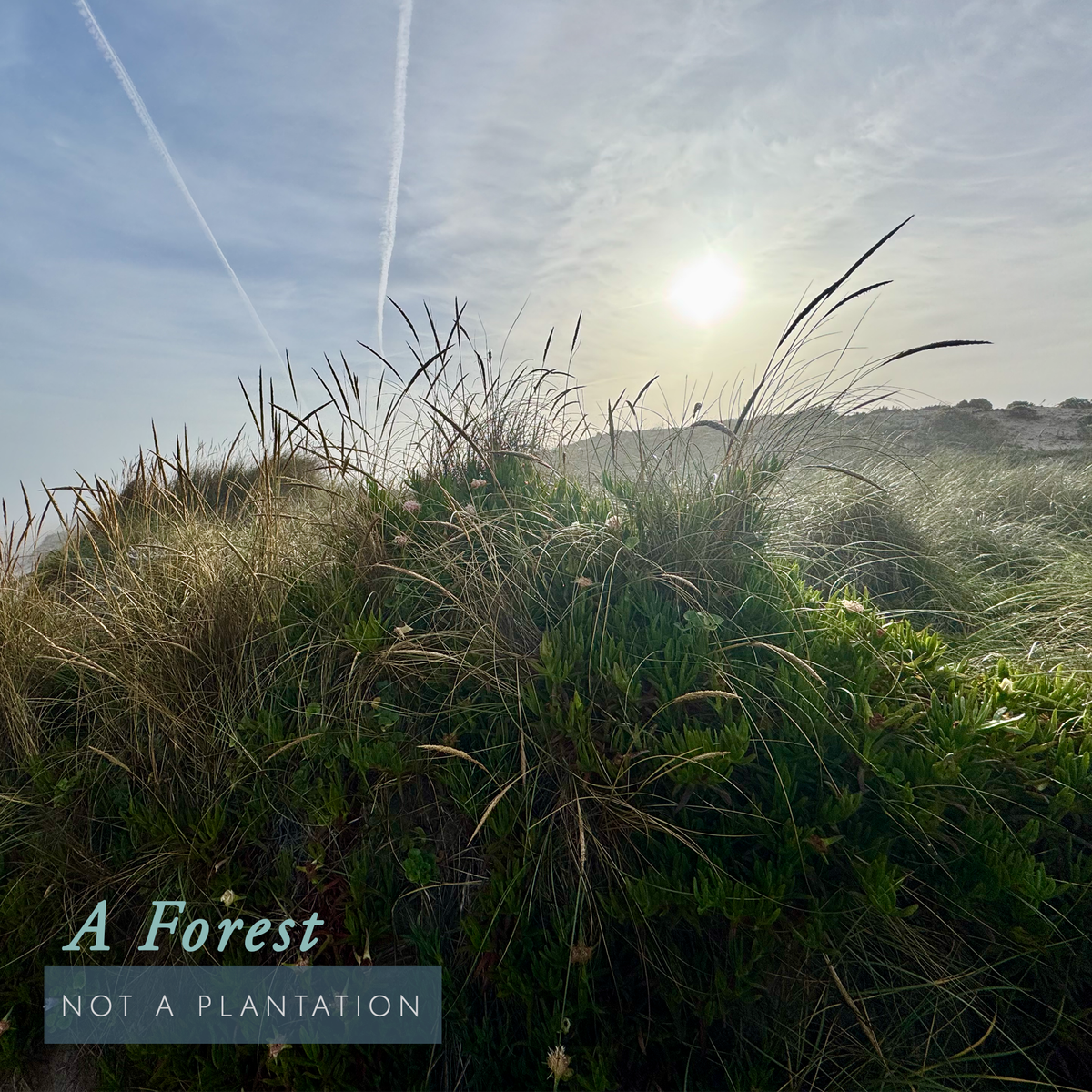

There is something different about a site you visit that has no continuous feed. The chances are you have arrived here on purpose. You will notice this site behaves more like a website. There is no continuous feed. No algorithm working surreptitiously in the background trying to find out how it can exploit you. The site is not going to offer up a suggestion of something else that might interest you. There is nothing like that happening here. It just sits, happily unconnected.
This fledgling blog lives on Ghost, an independent publishing platform for writers and creators. It has taken me a while to figure out how/where this work can exist. Most of the usual options lean too heavily into agriculture, if I can use that metaphor. Harvesting data. Farming for engagement. The usual tools that social media uses to keep your eyes moving.
Rewilding is a term that has been doing useful work in environmental thinking lately, and a smaller but related body of writing has been borrowing it for the internet. To allow a parcel of land to revert to its natural complexity. Remove enough management to enable natural processes take over once more. Rewilding is not about nostalgia. Looking back with rose tinted spectacles to a time when summers were long and tomatoes tasted like...well, tomatoes.
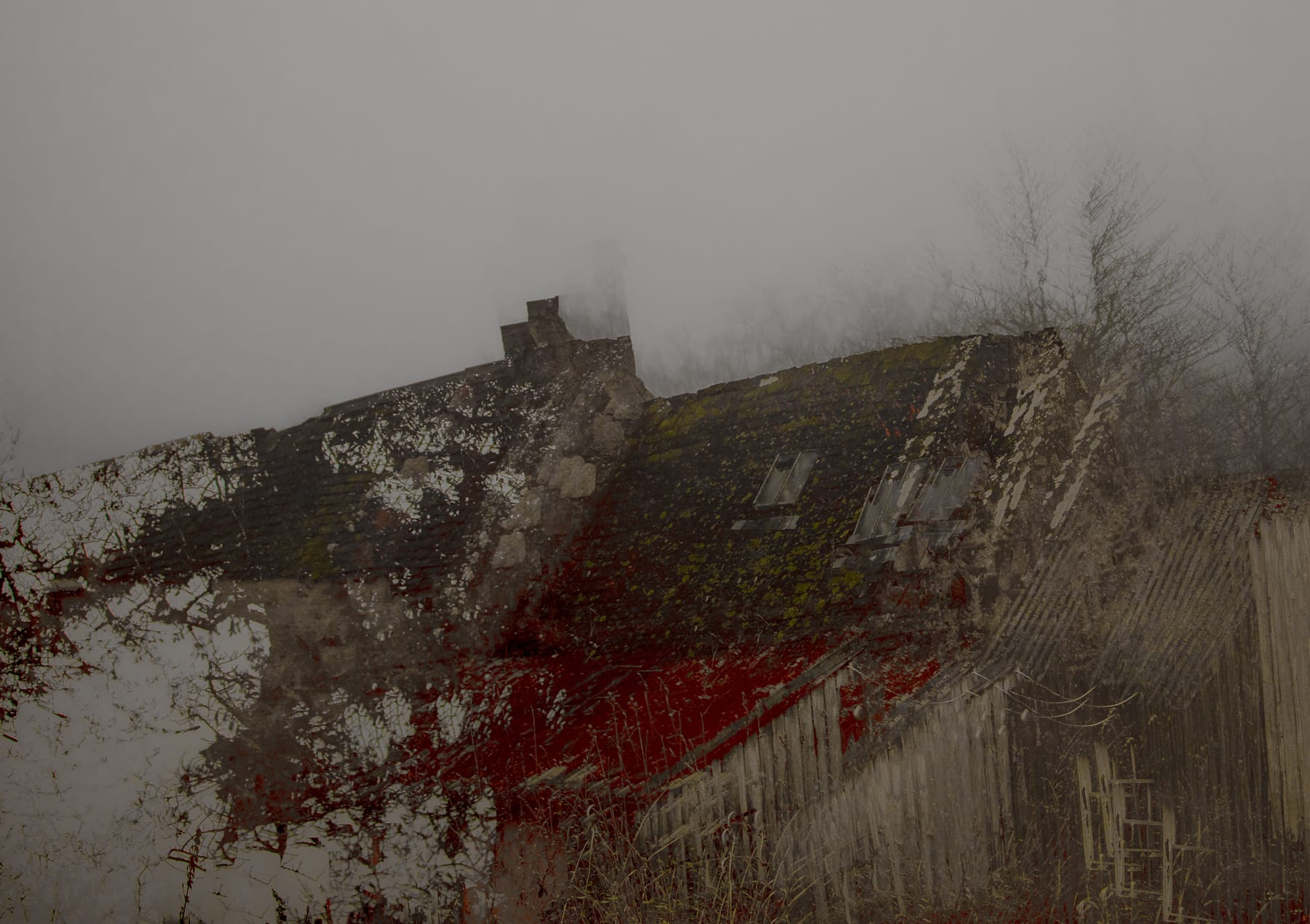
You would be hard put to recall it now, but there was a time the internet was something of a forest. It was weird and sprawling. You would come across strangers on a personal blog with a terrible design, waxing lyrical on some niche obsession, and you would follow a link and get lost in the best possible way.
Then a few companies came along and saw the mess for what it was: blundering inefficiency. So they herded us onto a couple of very large platforms and for a while everything was peachy. We had organisation and convenience. We had an audience. In return, they were left with a neat little harvest of our data.
But look at it now. We might overwork the metaphor and say that disease has free rein. Two firms account for 99 per cent of the software in our pocket, another does nine-tenths of the searching in the world. Scrolling for anything meaningful is nigh on impossible because every inch has been monetised by companies who have an uncanny knack of knowing exactly what it is you might be interested in buying.
So I want to trample around the unused fields behind the cowshed. I want to move away from the neat furrows and find places the tractor cannot reach. Mingle awhile with the brambles and the foxgloves (you'll be pleased to know I think I've probably exhausted the metaphor now,).
Doubtless this comes across as being insufferably virtuous. The truth is, I have not left social media. I still use it and it still has a lot to offer me. I get ideas. Information. Updates on friends and family. And an awful lot of footage of golden retriever puppies.
Ghost is the place I am going to park my thoughts. There are technical reasons. It is open source. The email list is mine. The domain is mine. Nothing about my work is trapped on someone else's land (whoops. Gratuitous metaphor crept in by mistake).
I don't feel the need to compete on Ghost. Nobody appears to be keeping score. Although I believe there are analytics buried somewhere deep in settings, trust me when I say I've lost weeks of my life trying to understand Google Analytics, and I refuse to engage with it any more.
Perhaps this is an overreaction. I don't know. I just don't really want to be a part of something that rewards me for posting at a certain time or crafting my sentences to align with supposedly shortened attention spans. My work demands time. The work I like to look at demands time. Surfaces are layered and complex. Ideas demand thought. A scroll is created to keep you moving. It is built for speed and a line on a graph that travels ever upwards.
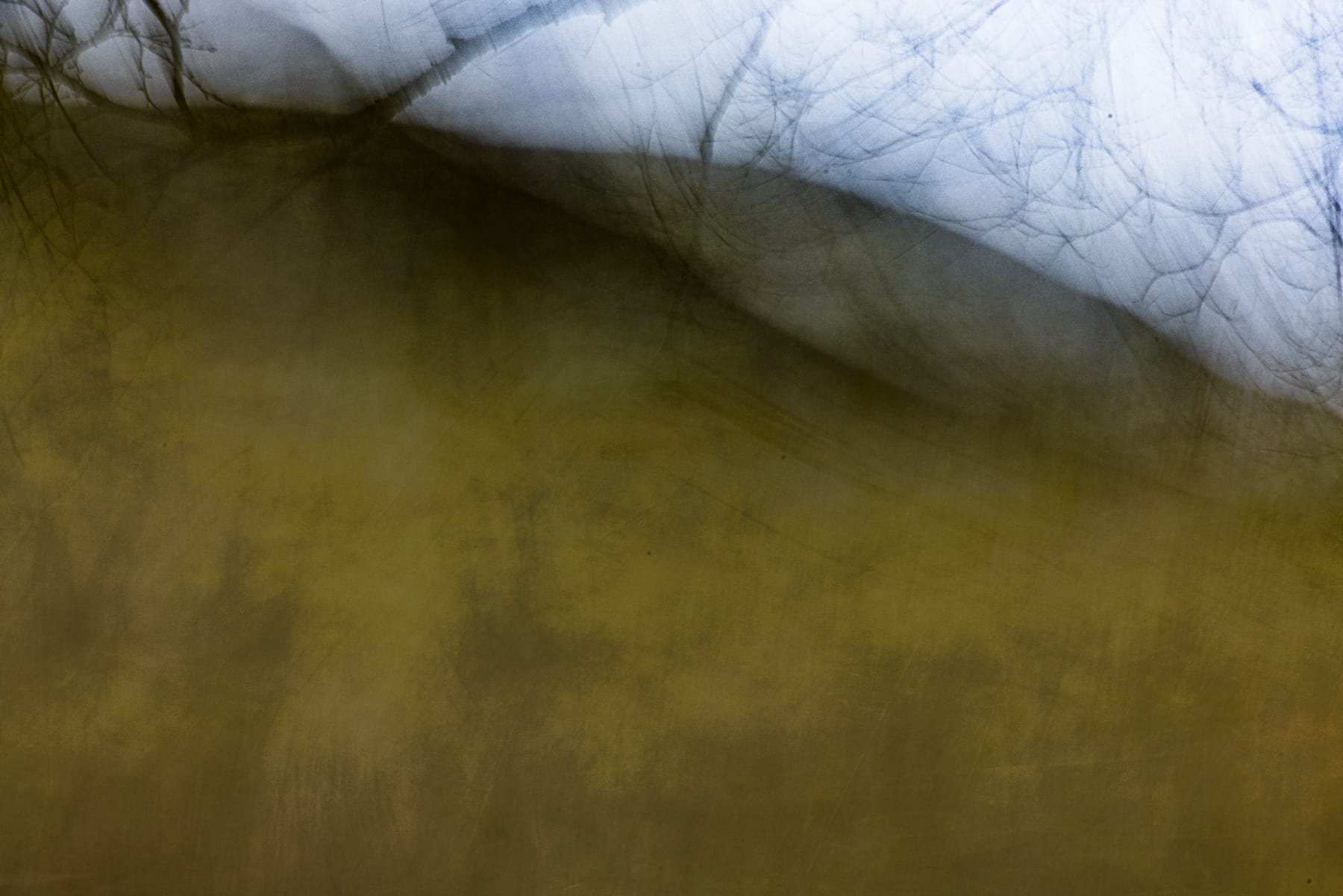
There's no timetable (even though we all know consistency is king). Some weeks will pass with nothing. Things will be reworked and rewritten. I am trying to make a place where those things can happen, rather than a feed that is slick and polished. Perfection is overrated. The enemy of the good, in fact (loosely – Voltaire). I want to build a space where my rusty old sentences and my peeling paint will not be penalised.
It is probably fair to say that there is an element of pride associated with the rewilding movement and this essay could be viewed in a similar light. But it is just a rambling way of saying I want fewer notifications and more wonky edges.
So, not tidy, not optimised, not dancing to anyone's tune. If I can allow myself one last tortured metaphor, it will be a tangled forest rather than a politely ordered plantation.
A short (AI-generated) technical aside, in case you wonder what Ghost actually is.
Ghost is open-source software, run by a small non-profit, used by independent writers to publish on their own terms. The email list is mine. The site is mine. The domain is mine. If Ghost itself disappeared tomorrow, I could pick the whole thing up and move it elsewhere without losing a subscriber.
It is also, almost incidentally, part of what is being called the Fediverse - the federated universe, a web of stand-alone platforms that can have a conversation with one another through an open protocol called ActivityPub. Mastodon is the best-known of these. There is Pixelfed for photography, PeerTube for video, and increasingly WordPress, Flipboard, Tumblr and Threads have begun to plug in too.
Ghost has a good way of putting it: think of it as email. I'm on one provider, my brother is on another, my bookkeeper is on something older still, and none of us thinks about it. We can write to each other. No one is in charge of email. No one decides to show your messages to a smaller audience because some algorithm is in a bad mood. The Fediverse is that for social media and publishing.
It is not a utopia. It is smaller. You will not find the easy hit of a viral moment here; the architecture does not encourage it. What you have is closer to the early web: readers who are there because they want to be. People following you for you, not because a computer told them you were worth their time.
So this site, only a few weeks old, is unobtrusively part of that wider network. A reader on Mastodon can follow Studio Atlantic, and when I post, it lands in their feed alongside their friends and the writers they like. They can chime in, and I will see it here. There is no gatekeeper, no company that might up and leave tomorrow.