
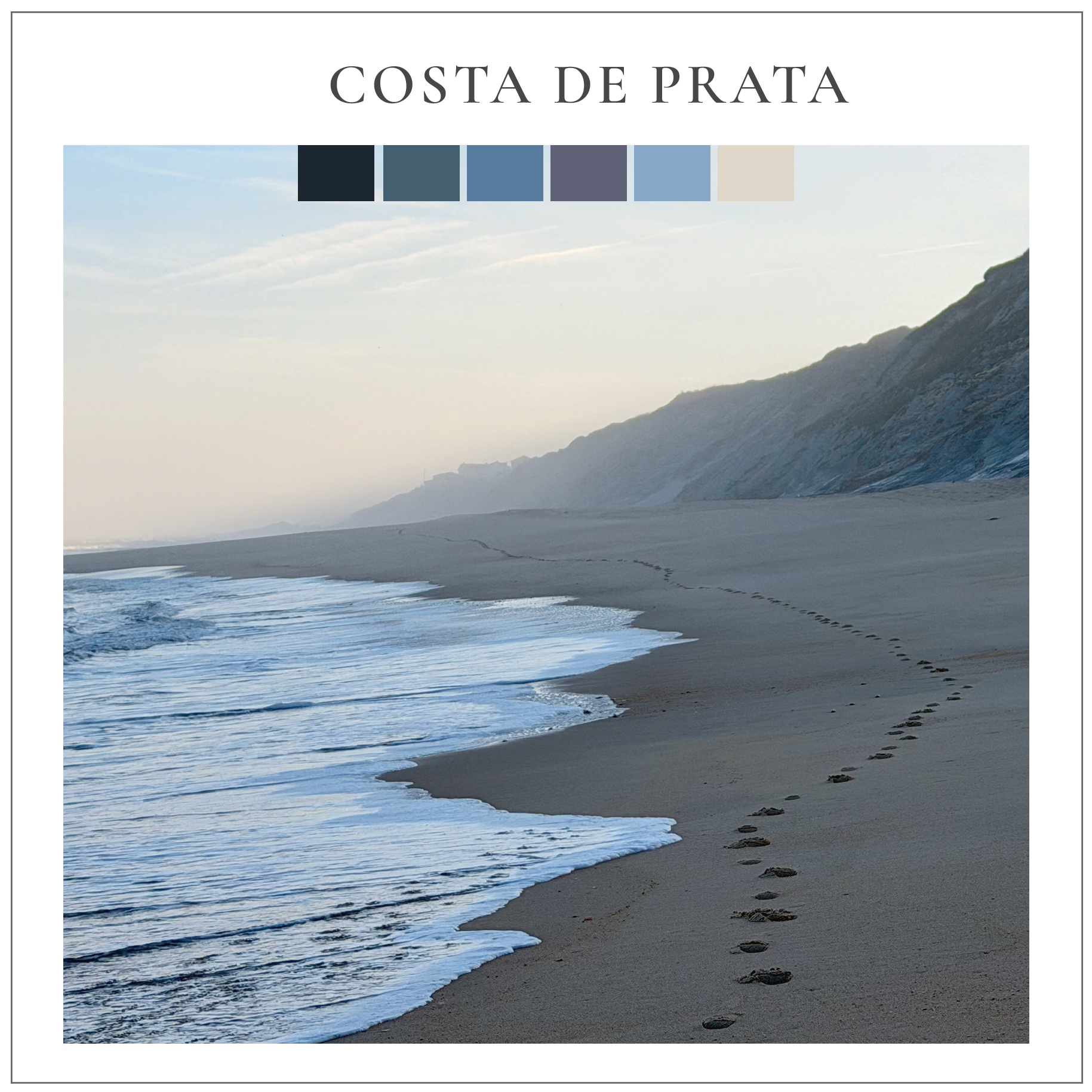
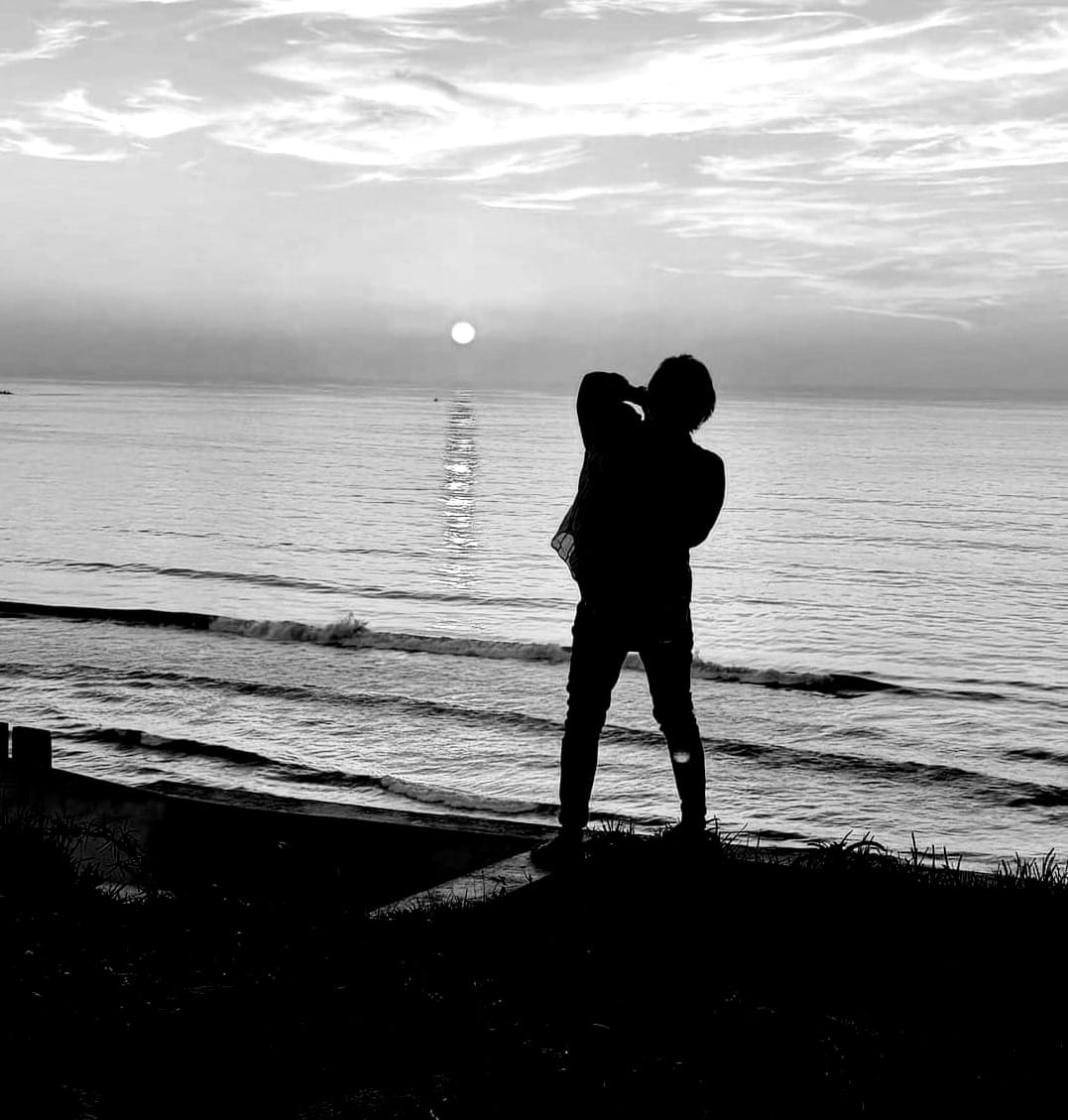
The Costa de Prata - literally “Coast of Silver” - refers to Portugal’s central-western Atlantic coast, roughly the long stretch of beaches and fishing towns between the Lisbon area and Aveiro although definitions differ.
For a time I assumed it was a reference to the demographics. The Silver Coast: a quiet stretch of Atlantic shoreline full of unhurried retirees in artfully crumpled linen, walking tiny dogs to a café and back. One of those lazy half-formed notions that attaches itself to a place name and stays there, unexamined.
Thankfully the truth is slightly more sympathetic. In fact the name is usually understood as coming from the quality of the light: the Atlantic ocean here often has a pale, metallic sheen, especially when the mist rolls in but also in the pale winter sun. It is less a strict historical name than a poetic/geographical marketing name, like “Côte d’Azur” or “Costa Verde.”
It also suits the place because the coast is not golden and lush in the Algarve sense. It is cooler, windier, unassuming. More 'Atlantic'. Less polished. Certainly more changeable. It is delicate white foam, salt haze and an ocean that is 50 shades of grey (if I may use that reference). So “silver” feels quite accurate visually.
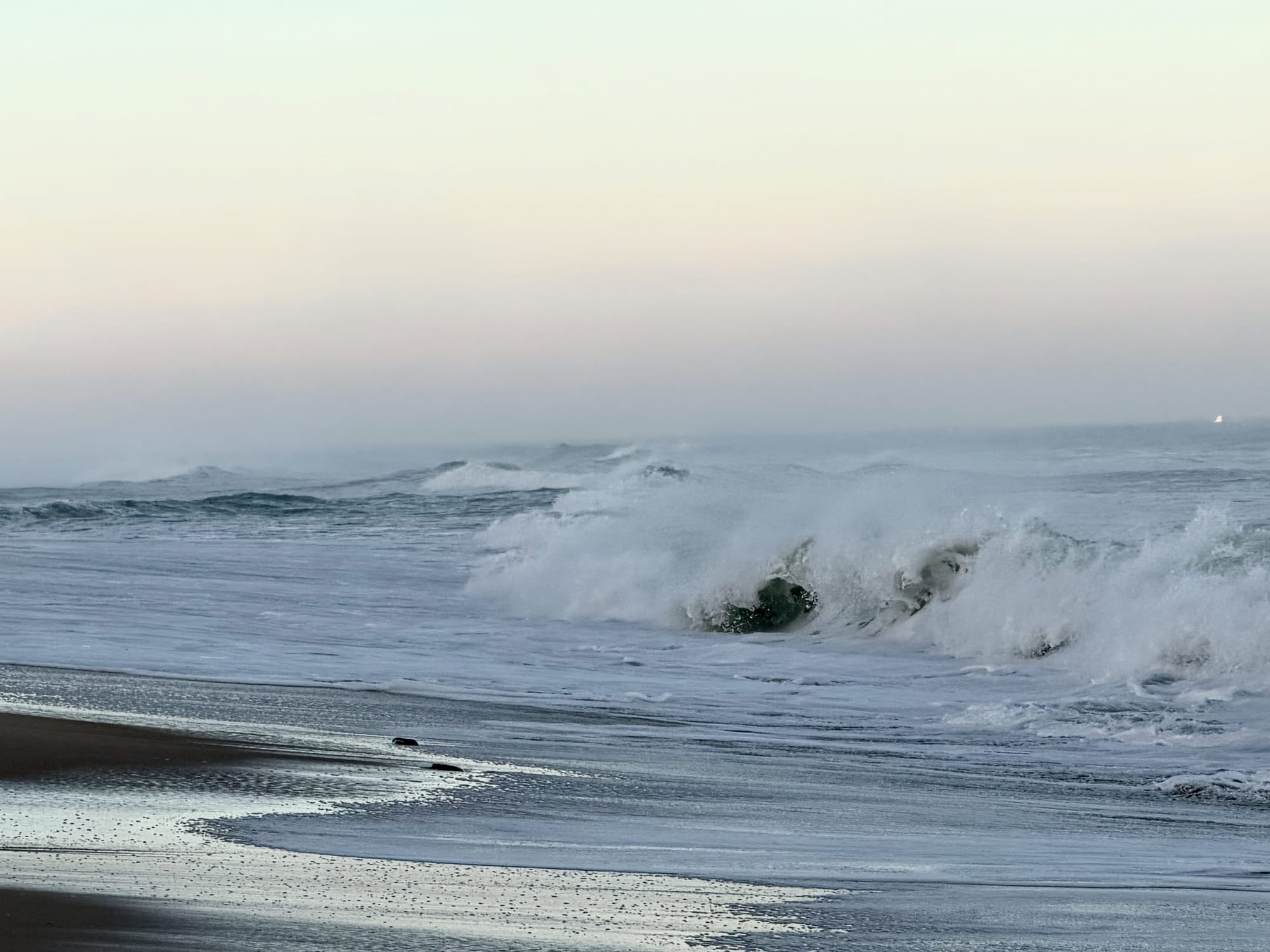
The Silver Coast is certainly not silver in the way jewellery is silver. It is not stylish or shiny or decorative. Although when the light is right it certainly appears to gleam from within. It is silver because of the quality of the light here. The morning mist. The ever-changing atmosphere.
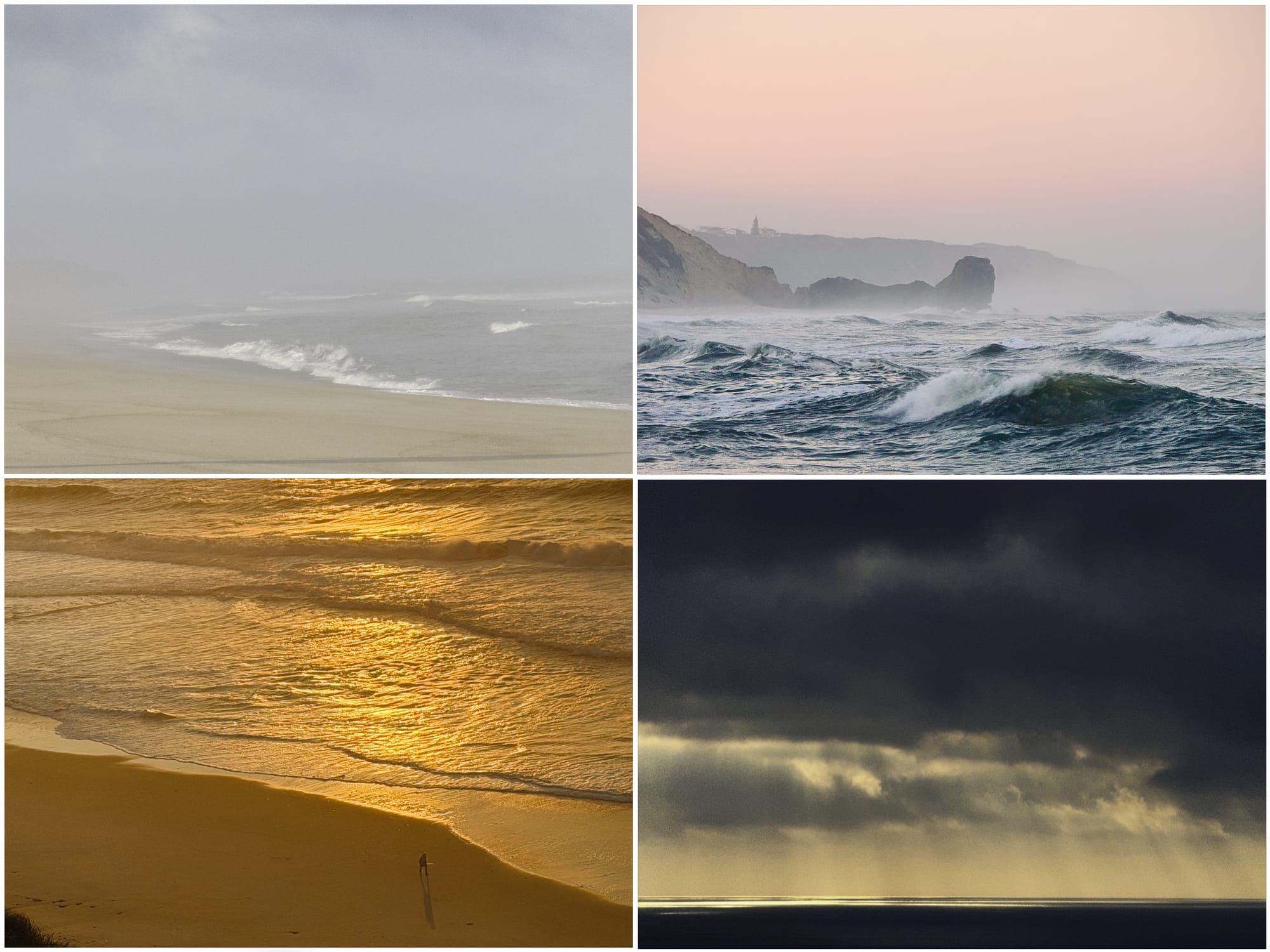
Some mornings the sea is pewter. If the light is right it can, on occasion, be pale pink. Some evenings it is almost black. Between the two extremes it moves through aquamarine, cobalt, slate grey and inky blue. Much of the time it is impossible to name: a shifting palette of tones and temperatures.
The Silver Coast makes complete sense when you stop expecting silver to be a colour and start thinking of it as a condition. A condition of the air more than the water. The Atlantic here is rarely doing one thing. It is shifting under cloud, under low sun, under the kind of haze that smudges the line between the sea and the sky.
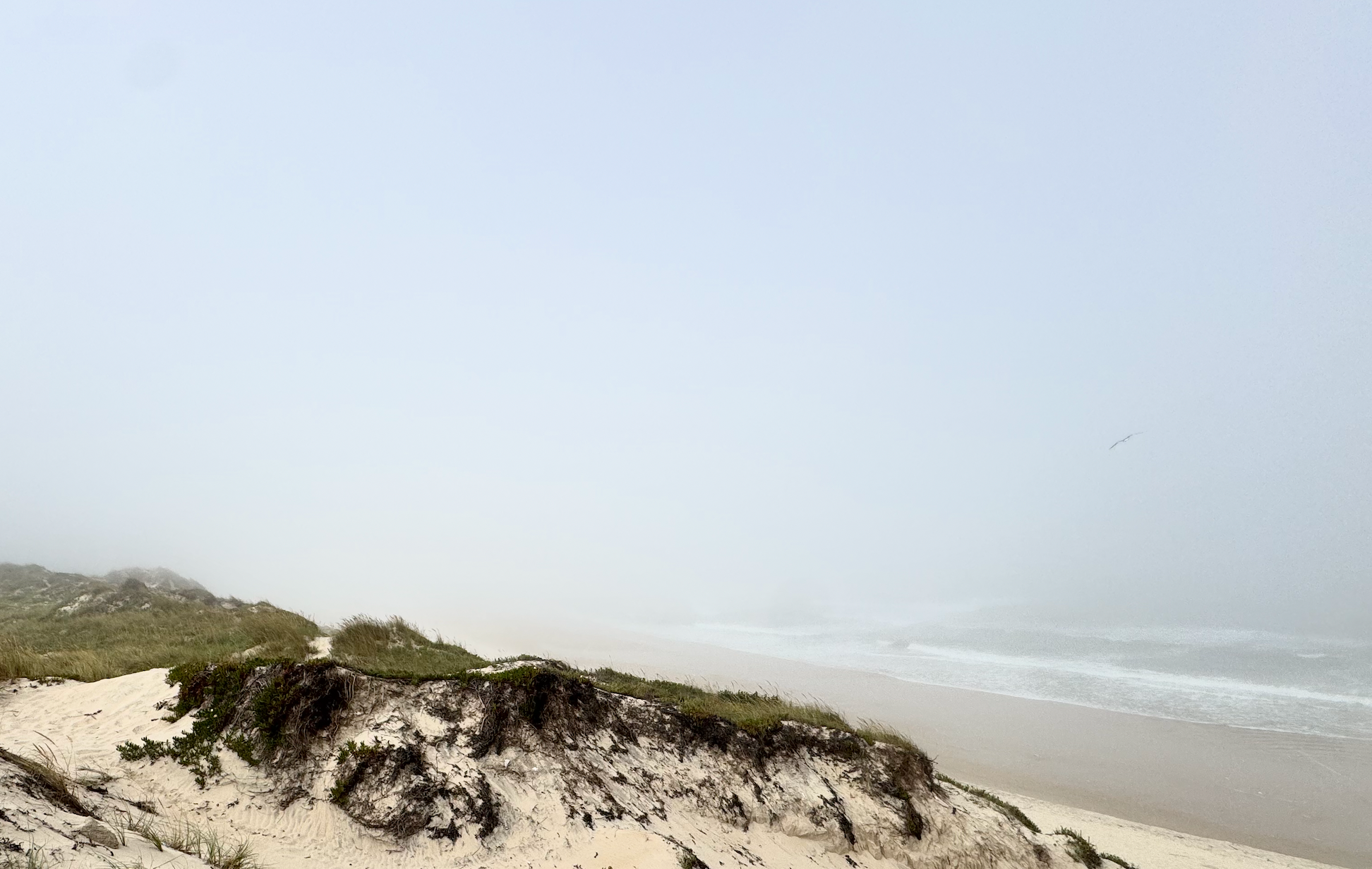
I have seen the same stretch of beach photograph as four different places in a single afternoon. At 7am a wide grey void and a horizon that is no longer where you left it. A few hours later the pale golden cliffs emerge from the veiled mist. By early evening the light has changed into something almost Mediterranean. And at sunset, a sky that has gone soft and inky. This is not weather in the British sense, something that settles in for a fortnight. It is more like a long series of small corrections throughout the day.
And it is here, in a quiet little corner just a stone's throw from Nazaré that I am beginning again, or perhaps more accurately, continuing differently. A studio near the Atlantic by a beach called Golden Stone. Golden Stone Beach on the Silver Coast. It really feels that precious.
The studio is small and airy. There is no roof. Nor, as yet, windows. Storm Kristin saw to that. But I do, at least have a floor. And walls that I have yet to decide how to use. There more boxes than I expected to keep and books galore, many of them storm damaged and now carrying an unintended beauty, a record of the storm’s passage through my future workspace . When the wind drops, you can hear the long slow rumble of the ocean, like something breathing in another room. When the wind picks up, you can hear nothing else.
I do not intend this Studio Atlantic offering to become a guidebook, a diary, or a neatly labelled account of a new life. That is of limited interest, no matter how fascinating I find it. I want it to be a place for noticing. Sharing that noticing. Art, weather, walking, making, failing, looking again. The slow collaging - both literal and metaphorical - of ideas. Process and experimentation.
Noticing is the part I am most out of practice at. It is easy to mistake activity for attention. Easy to think that because you are looking at something, you are seeing it. I want to put some space back in. To walk the same path often enough to know which stone is loose. To sit with the bad version of an idea long enough to find out whether it has a better one underneath.
So I am beginning here, at the edge of the Atlantic, with the wind, the shifting light, the unstable line between water and sky, and the small discipline of looking at it all for longer than seems entirely necessary.