I care enormously about how things look. Design matters to me. Individuality, avoiding cookie-cutter perfection. The crisp white modernism of our age is something I struggle with. Nevertheless, for years I followed the usual advice about photographers’ websites. Keep the background white, or, if you want to be a little bit adventurous, grey; keep the type small and the personality elsewhere. Nothing must interfere with the photographs. The work is the thing, and it should speak for itself.
So that is mostly what I built. valdabailey.com displays an obedient grid of images on a pale neutral ground. The rebel in me couldn't resist the temptation to insert a few defiant black rectangles, but it remains restrained, tasteful and generic.
Restraint? Or an act of disappearance? As a taciturn introvert, I cannot pretend there was not something attractive about removing myself from the proceedings. No explanations, no need to stand beside the pictures and account for myself. That suits me just fine. I realise it is contradictory given my writing, but Beckett sums up my general attitude to life perfectly:
ESTRAGON: They talk about their lives.
VLADIMIR: To have lived is not enough for them.
ESTRAGON: They have to talk about it.
*Samuel Beckett, Waiting for Godot
Unfortunately, "let the work speak for itself" assumes the work can speak, and that whoever arrives already knows how to listen. Someone arrives, scrolls down a page of images and leaves. What have they learnt? Possibly no more than they knew when they came in.
I have begun to realise as AI continues to cast an ever-lengthening shadow over the creative industries that something needs to change. It's probably impossible to know exactly how much online material is now made by machines, but the precise percentage hardly matters. The change is already visible: a synthetic gloss layered over so much of the content on offer. It reminds me of the smooth and pastel perfection of sugared almonds. And I cannot help but wonder, to quote the great Roger Waters – 'Is there anybody out there?
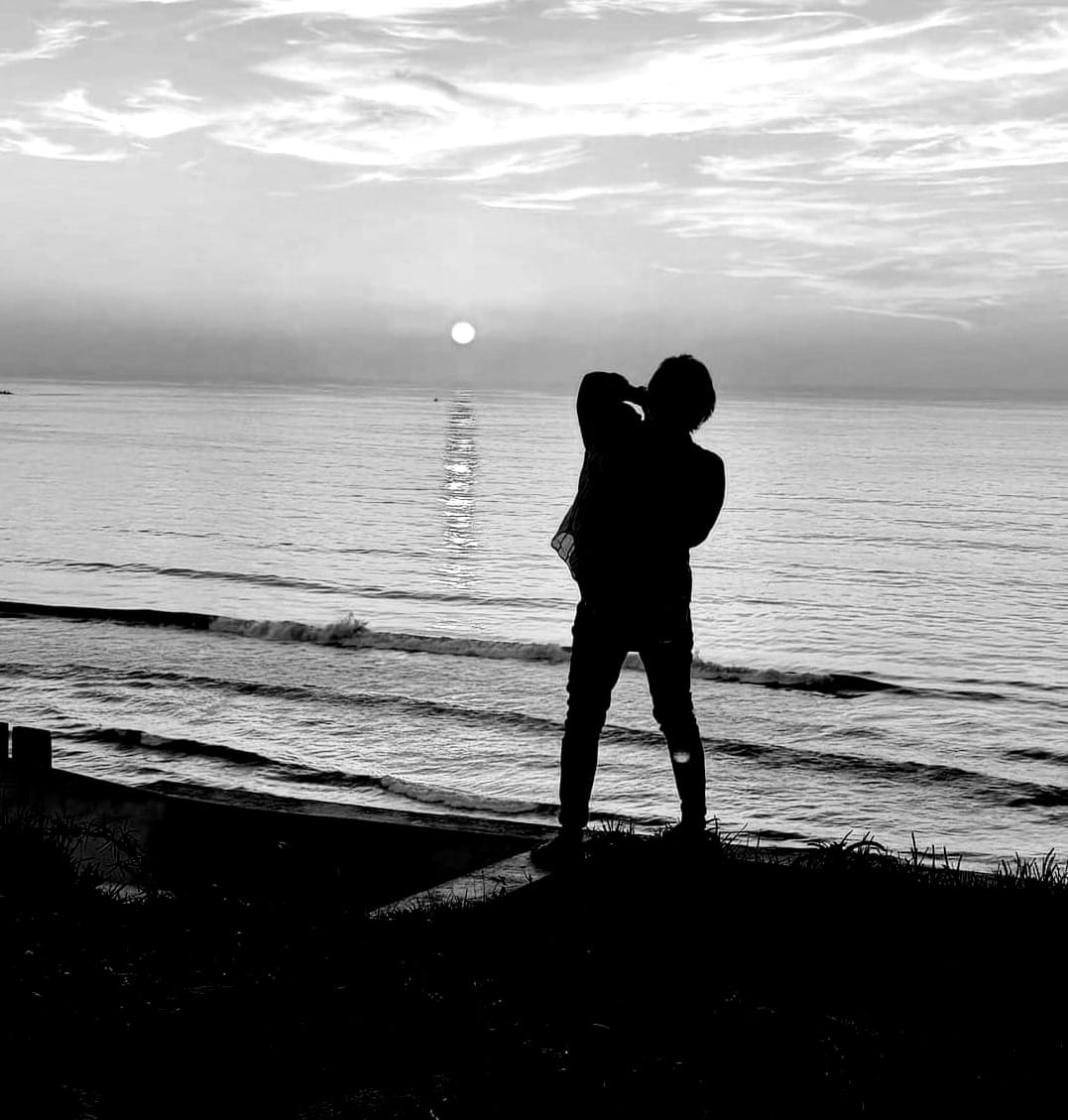
How ironic that a clean grid on a white background is exactly the thing that the machine excels at. Pristine perfection. It presents the finished image at a polite distance and disposes of almost everything that happened before it: the pouring rain, the endless waiting, the traipsing around in the dark, the failed attempts, the return journey. I have spent years trying to find my creative voice only to present it through a template designed to keep it quiet.
I am not proposing decorative typefaces, gratuitous noise, or the digital equivalent of scatter cushions carefully arranged over every available surface. Having said that, I will readily confess my home is littered with them. My first instinct the morning the Brexit result was announced was to go into town and buy more scatter cushions. Comfort and reassurance in a world that has suddenly felt a little bit more hostile. But I digress. Clutter proves nothing either. But the white room has lost some of its authority. But now that a finished result is no longer difficult to produce the evidence of making matters more than it once did.
Agnes Martin’s grids. Seen from across a gallery, they appear to be printed. Walk closer, and you notice the almost imperceptible waver of the pencil. Look hard enough, and the proof is there. Proof that a person sat for hours doing by hand something a machine could have done more evenly, more perfectly. And an awful lot more quickly. Yet, for me, the tiny failure of perfection was the entire point. It's not about the grid – it is about the hand that made the grid. And that is exactly what so many portfolio sites are built to hide. Yet isn't it the one thing that has suddenly become worth showing? The evidence of the artist's hand. Not the evidence of a machine at work, however smart it may be.
I have been frustrated by the usual channels by which we share our work for some time now. My website feels stale. It gets visitors, sure. But I never go there. I don't have the heart for it, and I have been trying to figure out why. I feel even more repelled by Instagram. Do I need a better gallery? Different work? A makeover? No. None of those things. The problem, I think, is that I want almost the opposite of what a gallery is, with all its straight lines, perfect margins and aesthetic purity.
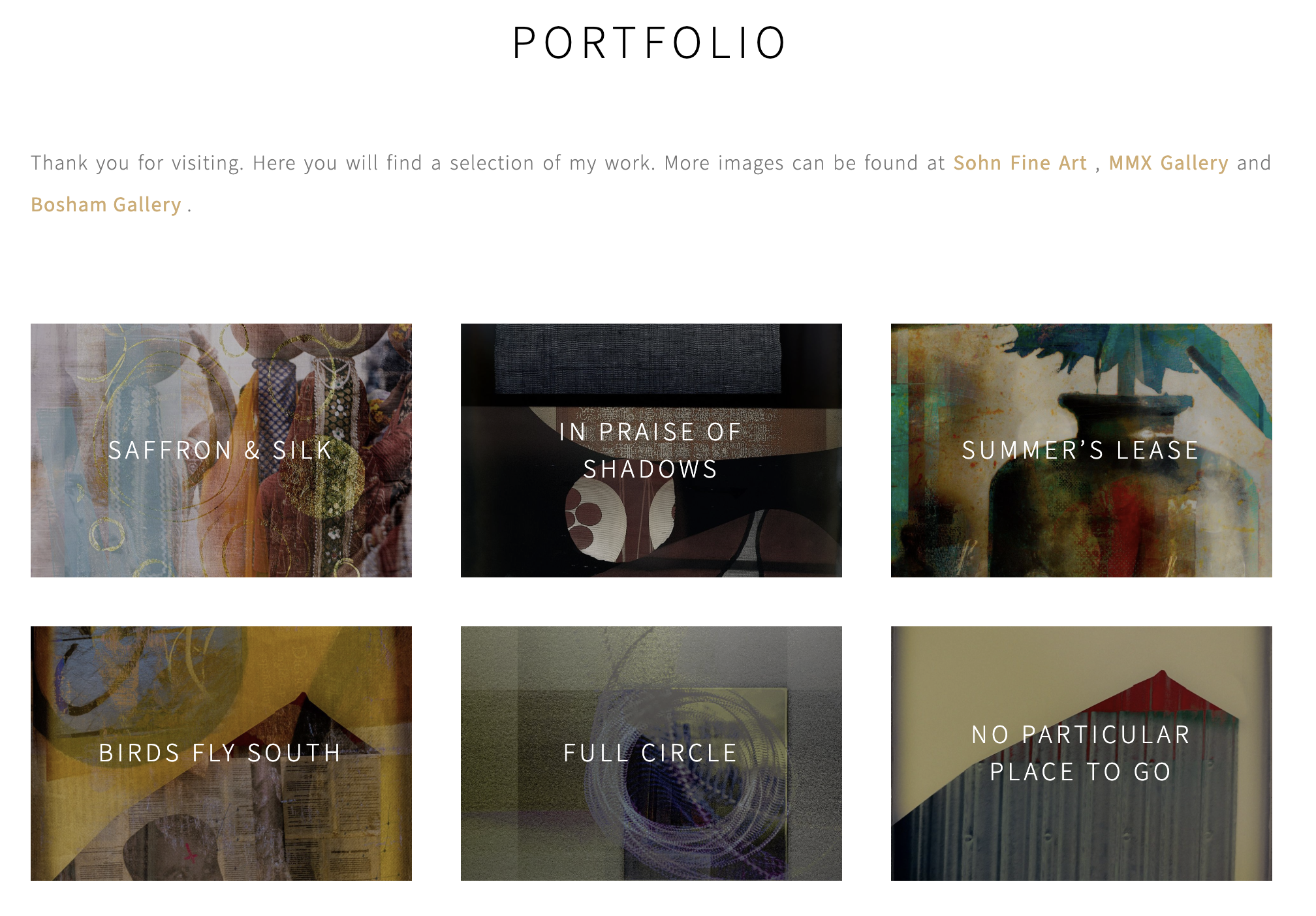
You may or may not be aware that there is a quiet revival going on online – the indie web, people building their own sites again, hand-made and a little wonky, owning the domain, linking to one another through web-rings in the way the early internet did before the platforms tidied everything into feeds. Re-wilding the internet.
What that movement prizes is the very thing the portfolio template strips out: evidence of a visible and particular person. Never being one to hold back when it comes to jumping on a bandwagon, I have decided to tap into a few of the ideas and create a new online presence for words and images.
Yes. A blog. A blog, in 2026. I know. But what if the dated thing actually turns out to be the relevant thing (the longer story of why, and why it lives where it does, is in A Forest, Not a Plantation)? I intend to do some writing and I hope, in time, to leave the working notes where they can be seen. I also want a space that behaves differently to an endlessly scrollable feed.
The gallery on my existing website shows what I made. It doesn't give much of a clue about why or how. The idea behind the work. There is no indication of how it came to be or what was ruined along the way. For any of that to be shared, I need to write. And although I can do that on my current website, I feel the need to start anew.
And in that, there is an irony not easily dismissed. The writing, the blog, the little paragraph beside the picture – this is what the machine fakes most fluently of all. I could ask my knotty-pated fool for five hundred intelligent-sounding words about light or memory or regret and he would deliver something that reads almost like this. Nevertheless, this is where I have decided to plant my defiant little flag. If writing is so easily faked, then doing it for real – with the wobbles and the doubt left in, the contradictions and inconsistencies remaining, that seems to me to be the equivalent of the messy art room.
This probably sounds insufferably smug – here's another self-deluded scribbler flattering herself that she can write. That her disjointed mess has value while the machine's polish does not. I have no doubt that a machine could have written this paragraph too, including this sentence admitting it could. I can't always see where the lines are drawn, although the more I read and research, the more obvious it becomes.
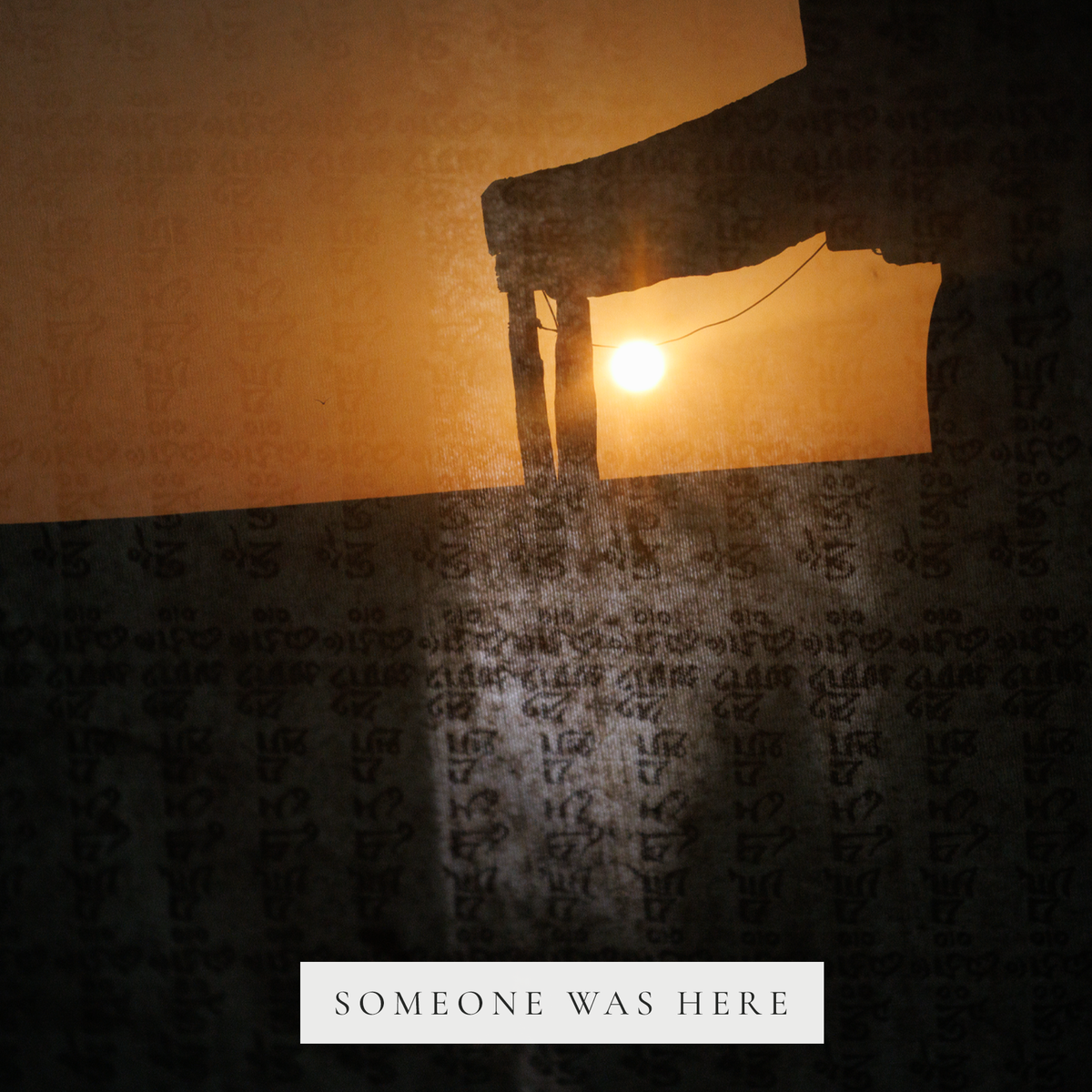
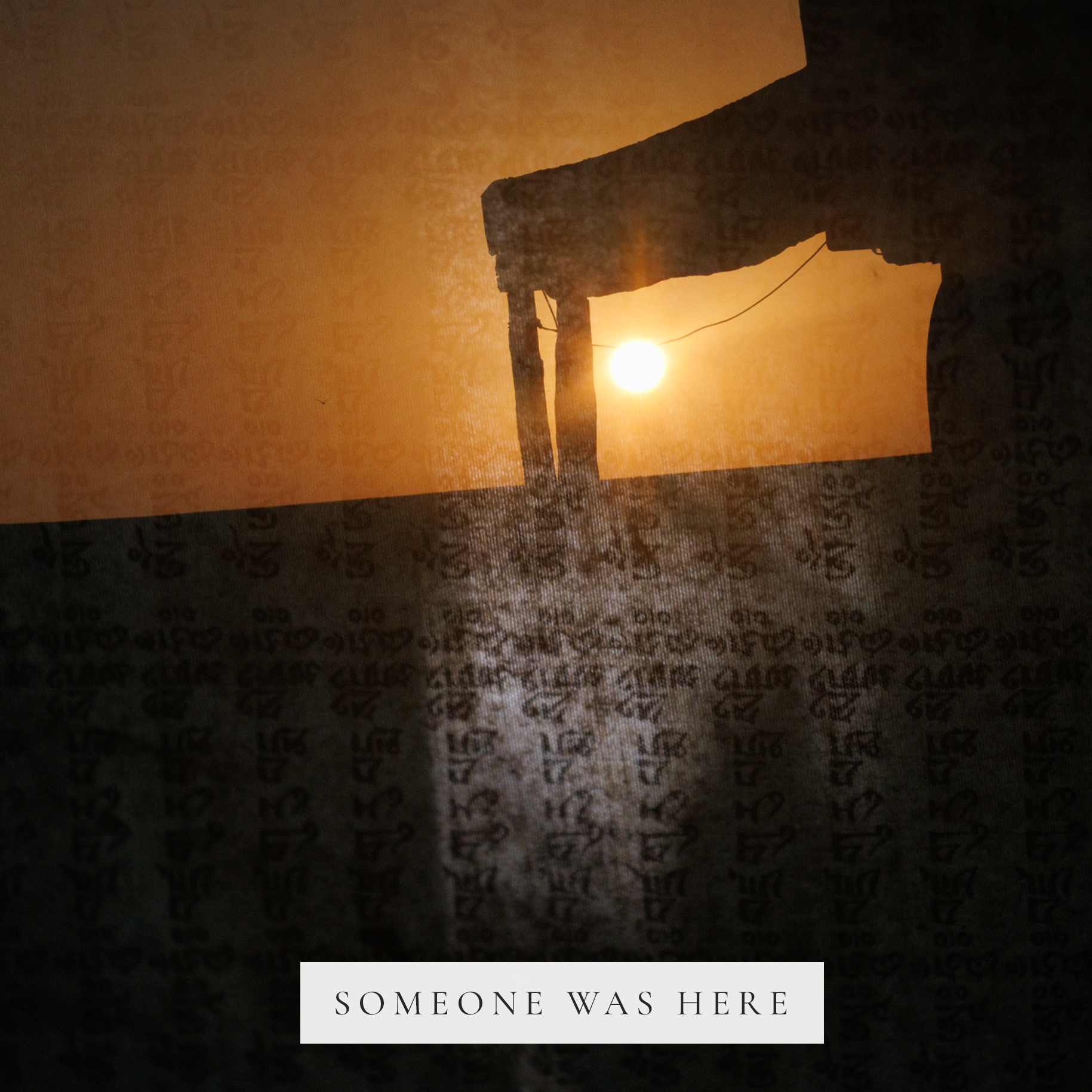
I want the new site to showcase the voice the white room was designed to keep out. Prove, in my disjointed way, that someone was here. When building the site, the temptation, of course, was to go with a visual template offering faux notepaper and paperclips. I flirted with the idea but – ironically – have settled instead on uncluttered and plain white. I am hoping the writing, the working note, the hastily jotted-down ideas will provide evidence of hand-crafted detail.
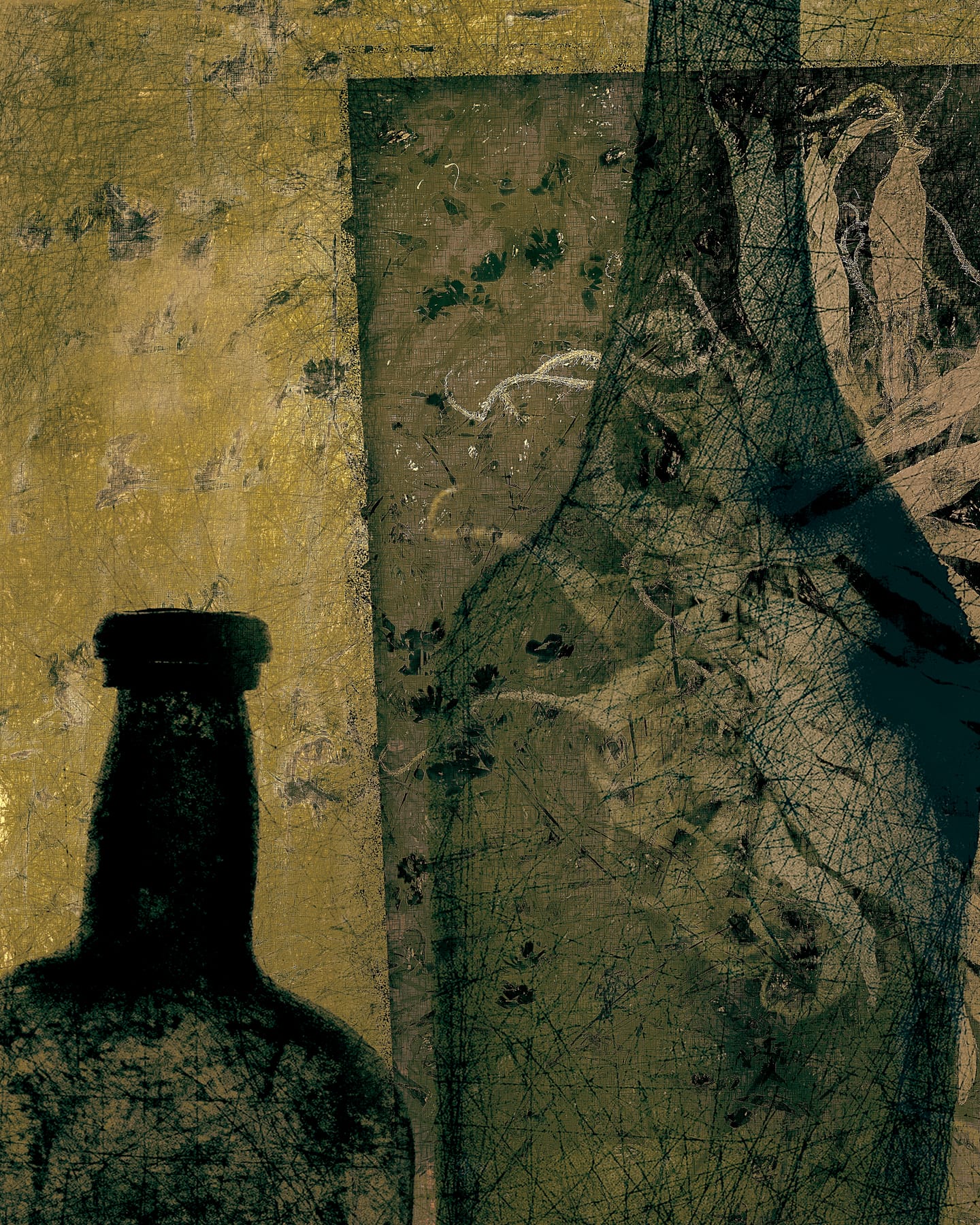
I am pretty ok with the fact that in all probability nobody will subscribe. Goodness knows there's enough content for us to digest and time is short. I am doing this for reasons I cannot quite explain – possibly linked to the fact that I don't have a working studio right now. While my website does a reasonable job of showing my images, by and large, I am not really in the room. Ego at work here, but I would rather be in the room. Tired hand, grammatical blunders, ink splatters and all.
If any of this resonates, please do feel free to subscribe.
Disclaimer: I am not a writer. That is to say, I am able to string words together in a vaguely coherent way, but I don’t profess to be able to do anything more than that. The essays wander rather than explain. Some arrive with pictures. Some probably won’t. Unlike the tide outside my door, their pattern is irregular; they do not take heed of the moon.
You can sign up below if the mood takes you. Chances are you get more than enough of me on FYV/ARBN, so please don't feel any obligation here.
You are also welcome to go and just have a nose around. I am still tweaking things and writing bits of code so it may be a bit hiccupy.