
In Lisbon’s old fado houses, an ancient custom remains. When the singing is about to begin, someone announces: silêncio, que se vai cantar o fado. Silence, fado is about to be sung.
The lights are lowered, and conversation stops. Before a single note is sung, the atmosphere in the room has changed.
Valda Bailey drops her phone. It clatters loudly and dramatically onto the stone floor.
Of course.
We did not move to Portugal for its music. We came for the Atlantic. We came to once again be a part of Europe (it is an act of personal redress that we arrive the same week as the tenth anniversary of the referendum). And we came to find a village too small and too unpolished to appear on anyone's list of destinations.
Nevertheless, you cannot live inside a culture for long before its art starts probing. I keep coming across the same question in Portuguese art and literature, and it is not a million miles from where I am with my work. Namely, what do you do with loss?
Camões grappled with it. In his work, saudade appears through absence and loss. Pessoa too, although he turned the question inward.
And fado has been giving it voice, in small rooms and public houses, for the best part of two centuries. Again and again, the answer seems to be some version of the same thing: you give the ache a form, and you make the form beautiful.
Fado is also the easiest thing in Portugal to get wrong. There is a tourist version, available nightly within a sardine’s throw of any Lisbon hotspot. Melancholy is the vibe and saudade comes printed on the tea towels. Its subtleties are so easily flattened into a beautiful sadness with a guitar.
There is also an art-world version, and this is undoubtedly where I am far more at risk. Cultural appropriation. Any curious traveller with a camera will be aware of the dangers. How easy it would be to bestow a haze of imported sorrow upon a coastal abstraction like the soft silver mist that rolls in daily. Melancholy seascapes. Yearning as a Lightroom preset. I did not grow up with fado, and of course I cannot begin to fully understand it. As a recent immigrant, I have no business repurposing a culture that is not mine, layering it on top of my own work as a gratuitously gloomy glaze.
The most obvious thing about fado is its mood. But what about its structure? Maybe that is where I could look for a connection.
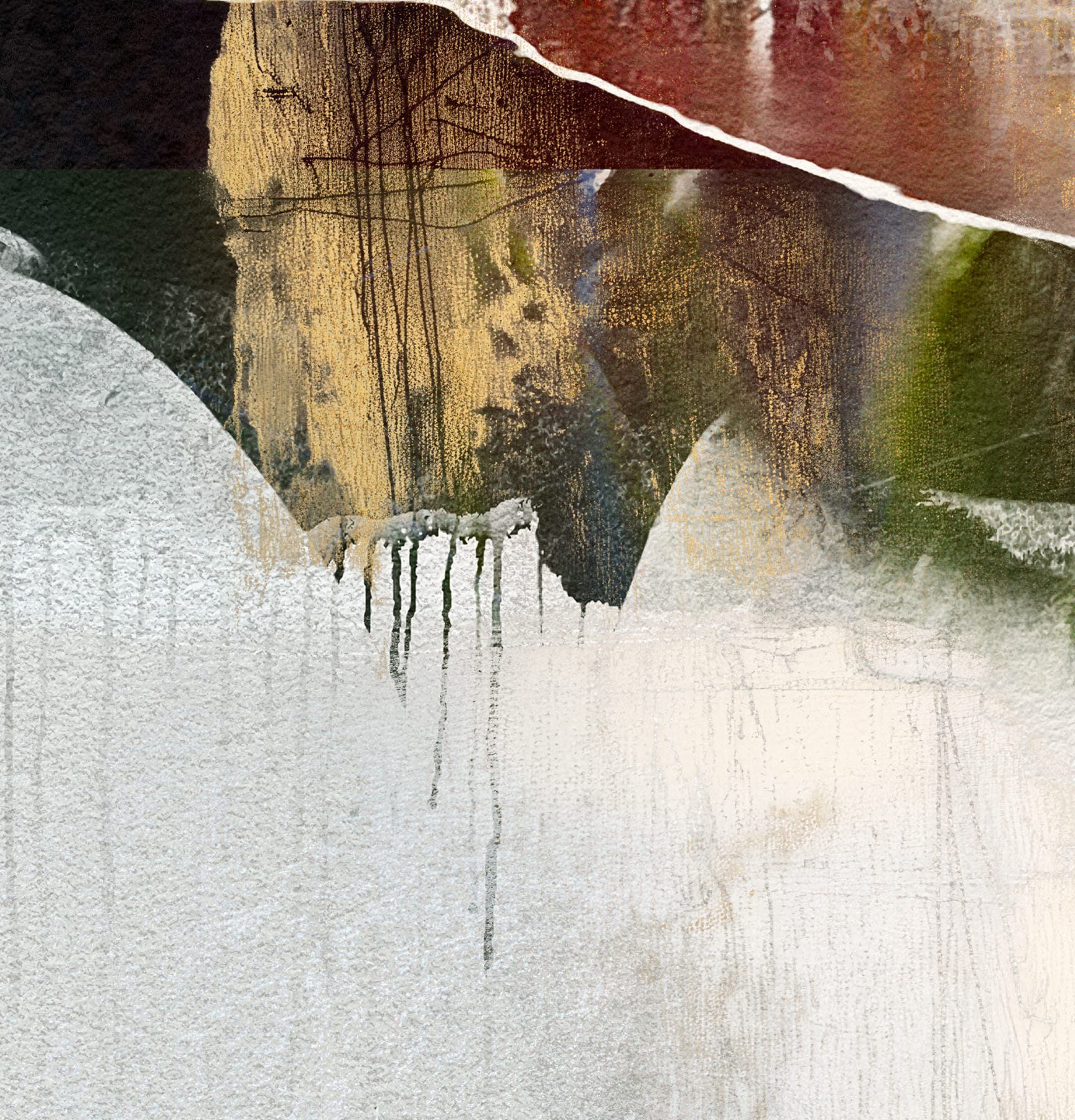
The word fado comes from fatum, fate. There are many conventions surrounding it. The singer may hardly move. The twelve-stringed guitarra keeps circling while the voice finds its way. There is grief, but nobody flails. Whatever grief is there is constrained. Constraint I can relate to. We talk about it a lot in our creative work.
Saudade, we are usually told, is untranslatable, which is true but not especially useful. Teixeira de Pascoaes, who spent a career on the question, described it in 1913 as "the action of desire on remembrance and of remembrance on desire". A movement, not a state.
Pessoa’s Álvaro de Campos senses it on the quayside. In Ode Marítima, the ship leaves and the space between it and the quay begins to widen. Yet it is not as simple as the ache one might feel when saying goodbye. It is not on the ship and not on the quayside. It is the widening gap between the two things.
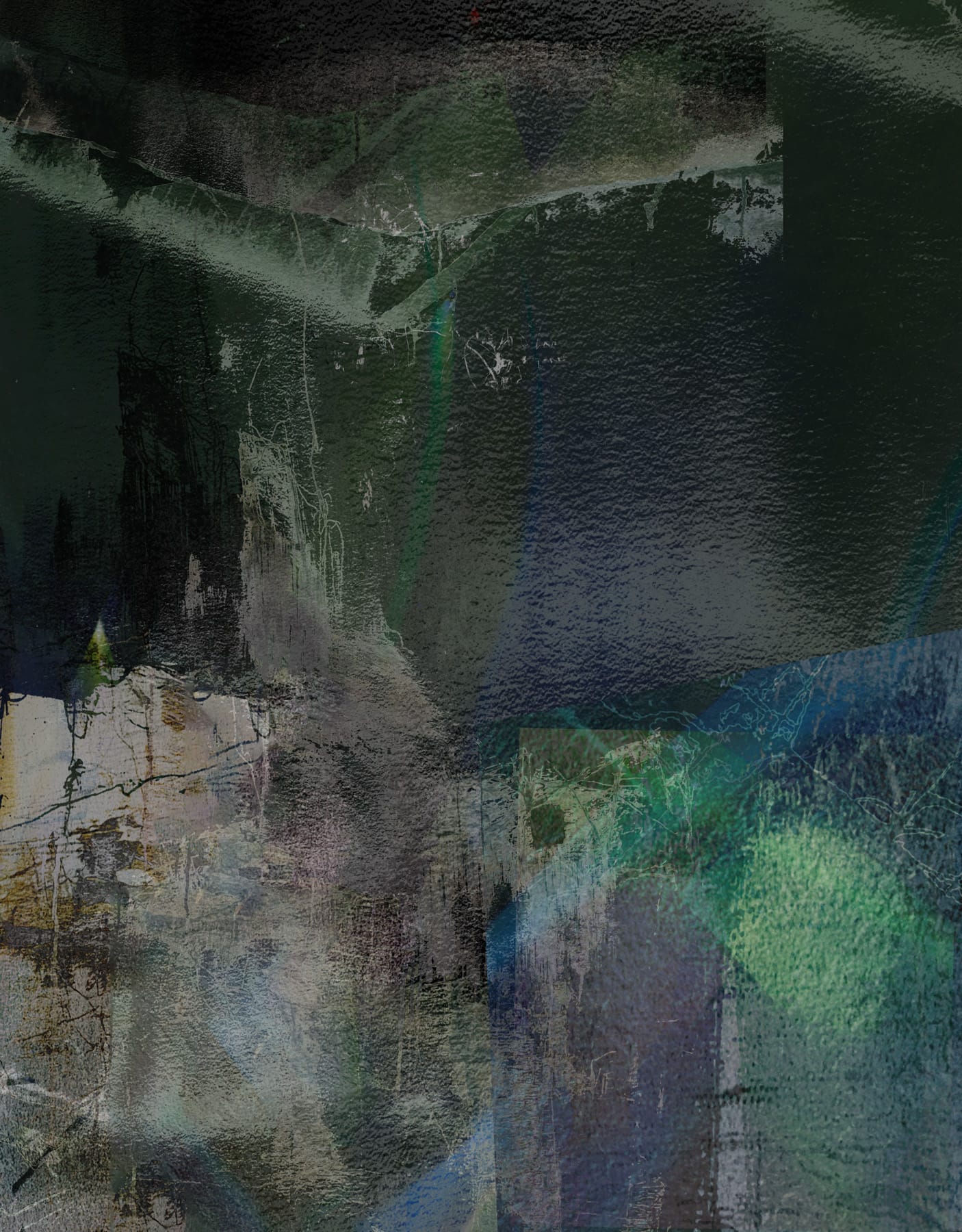
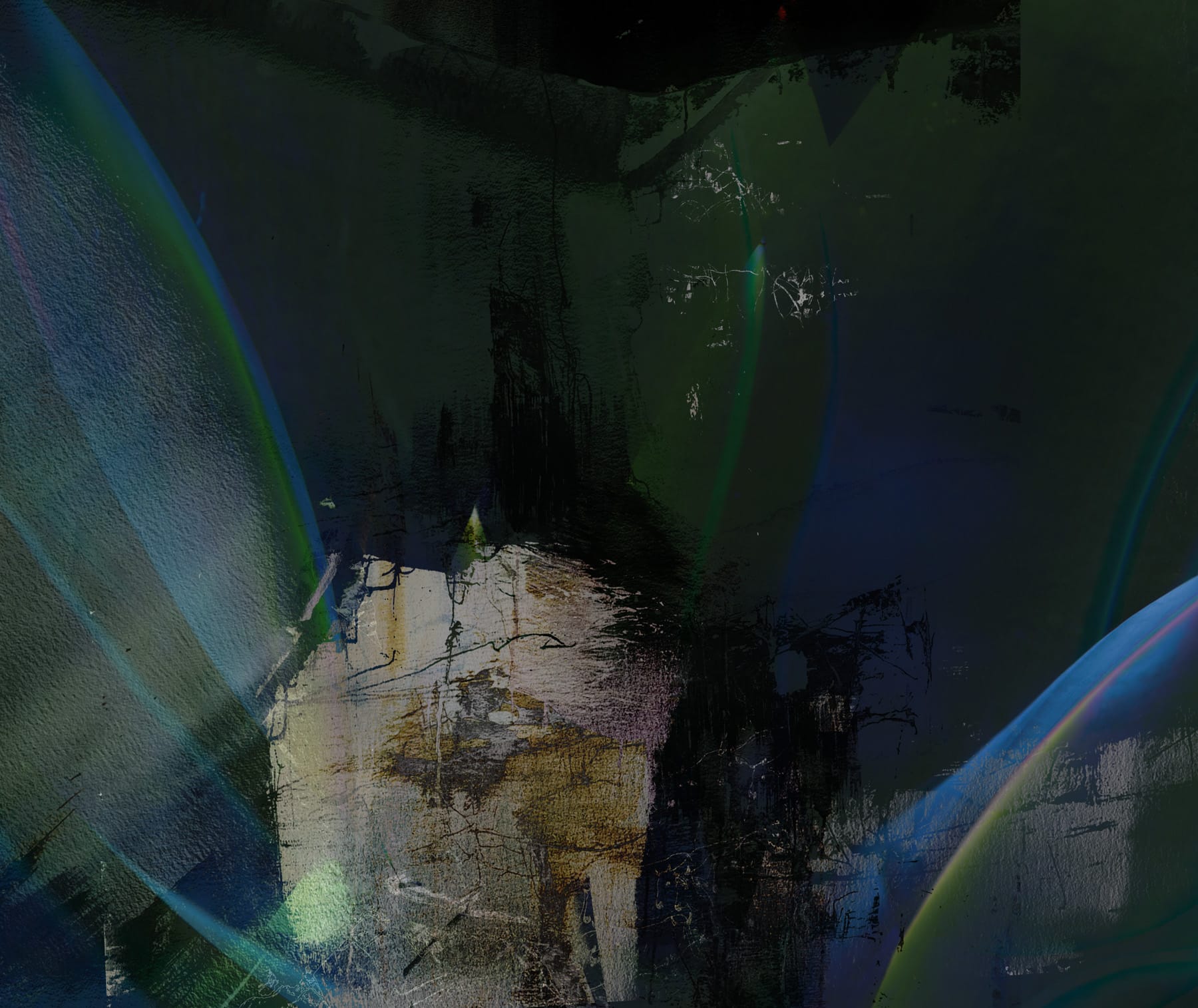
Where to draw the line between drawing on a culture and decorating with it? I am not going to photograph fado singers or print their lyrics over murky seascapes (and you really can hold me to this). What I hope to take is structural. Repetition with variation: pattern interrupted. The guitarra returns to its phrase the way the wave returns to the shore, never quite the same twice. My instinct is to connect this to the plate returning through my etching press. Or the emotion contained within the widening gap.
Currently, the poetry of Sophia de Mello Breyner Andresen feels closer to me than fado does. Not because I am intimately familiar with her work, but from what little I have read, her Atlantic offers something I can understand. It is clean, hard, physical. Light, salt, distance and force. All the qualities that drew me here in the first place.
What about the blues? Portuguese blue. The azulejo tradition lines this country’s churches, stations and stairwells with their blue-and-white stories. I don't understand the stories, but I like examining the form. The designs and the patterns. I see the repetition, the interruptions, the occasional mismatch. My design obsession kicks in. The sea is bound to be in there somewhere.
Rebecca Solnit wrote of The Blue of Distance. Perhaps, here, it becomes The Blue of Elsewhere.
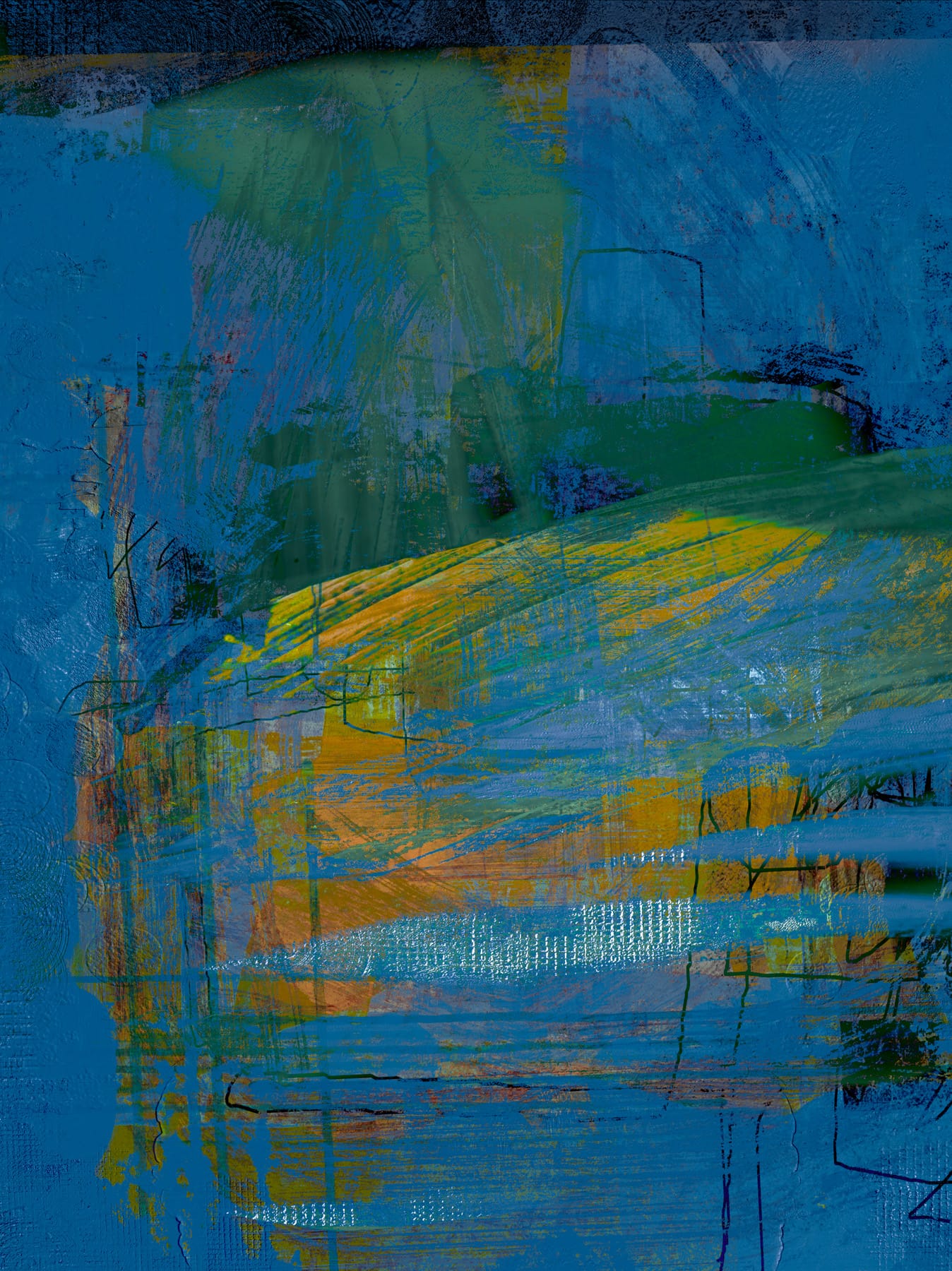
Maria Helena Vieira da Silva, whose tiles are in the Lisbon metro, spent a lifetime making grids misbehave. Her paintings often begin with structure: interiors, tiled spaces, the suggestion of streets or shelves or scaffolding. But the structure is never quite fixed. It wobbles a bit. Refuses to behave.
And underpinning everything is the language. The damned language. So fiendishly difficult to get your tongue around. Let alone get started on verb conjugation. Some of the words that have stayed with me have lodged themselves in my work. Estrago (damage) gave an ongoing body of work its title. Fado is beginning to give the next one a structure.
The Atlantic I photograph is not a poetic, abstract idea of an ocean. It is this actual ocean, directly in front of me. It is not the Jersey Atlantic I loved as a child. This is the Portuguese version, battered by wind, with histories running through it that I am only just beginning to understand. I am learning about it slowly –– along with the language. It has to be said that progress is slow. Embarrassing errors made, corrected usually by Carlos at the bar with his jokey “go home English”. At least I think it's a joke.
I will never sing fado. All things considered, this seems to me the correct outcome for all concerned. But I keep thinking about the silence before the song. There is something I can learn from that – stop the chatter for a moment. Think about how to give the loss a form and make the form as beautiful or as meaningful as you can manage.
And maybe put the phone in your pocket.