Olá. Bom dia.
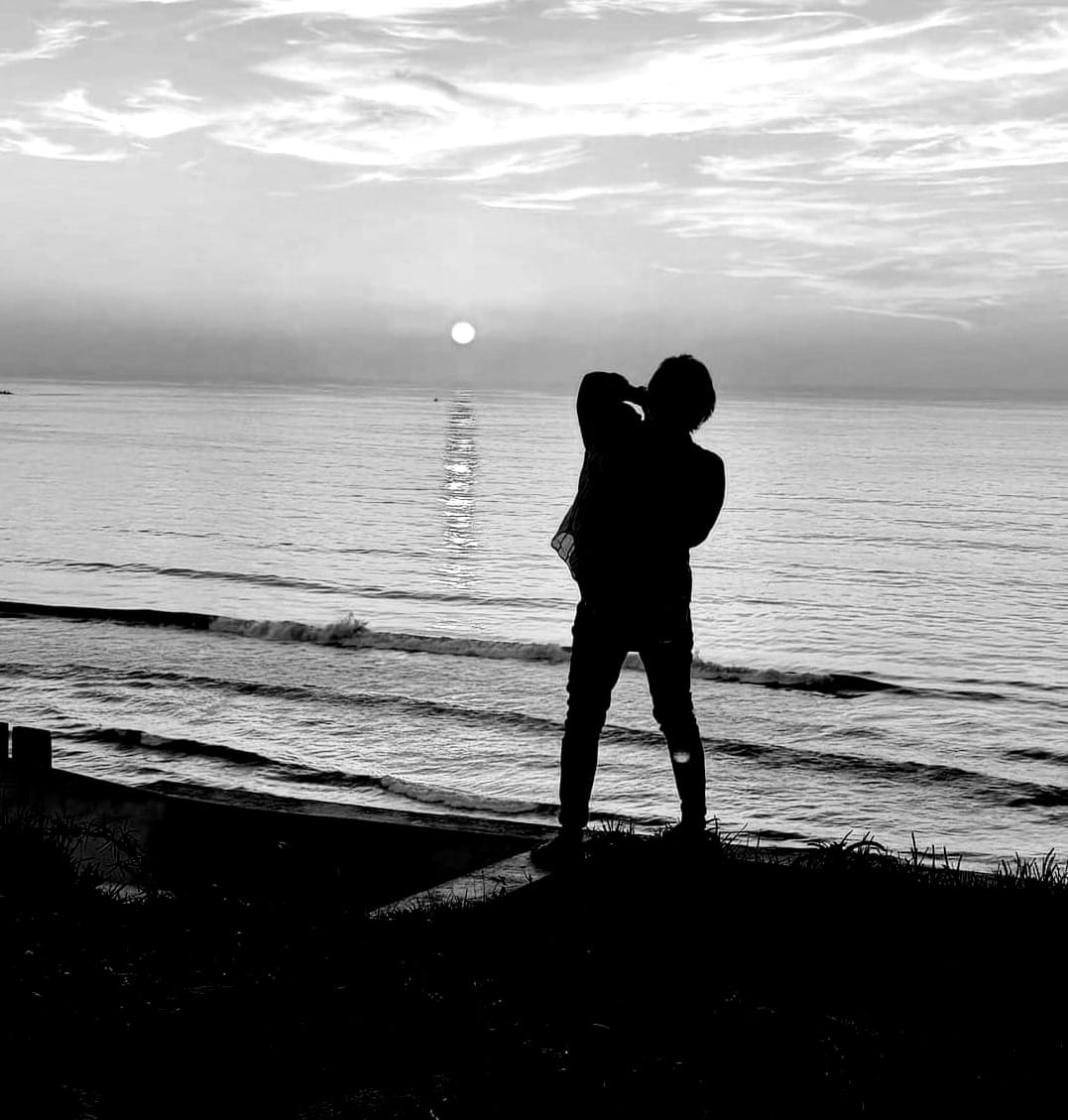
Several people have asked in recent weeks whether we’re planning tours here in Portugal. We are, and they’re nearly ready (and when I say 'we', I do, of course, mean Terry Gibbins, who many of you know, and me, under the Bailey Chinnery banner). With Doug and Elaine doing all the unsung admin and organisation in the background.
The route to getting settled hasn’t been entirely straightforward, as many of you know. It looks as if the rebuilding of our house after Storm Kristin will be finished early next year. During this time I’ve been thinking about how best to share this country and give it the time it deserves.
There are three tours taking shape. South, North, and Central. Different seasons, different weather, different work.
SOUTH— spring 2027
Lisbon rewards the unhurried. The postcard city is real enough, all trams and pastel walls, but it also gives us fado sung in a small room in Alfama, and some of the boldest modern architecture in Europe. Portugal keeps producing Pritzker-winning architects, and we’ll see why.
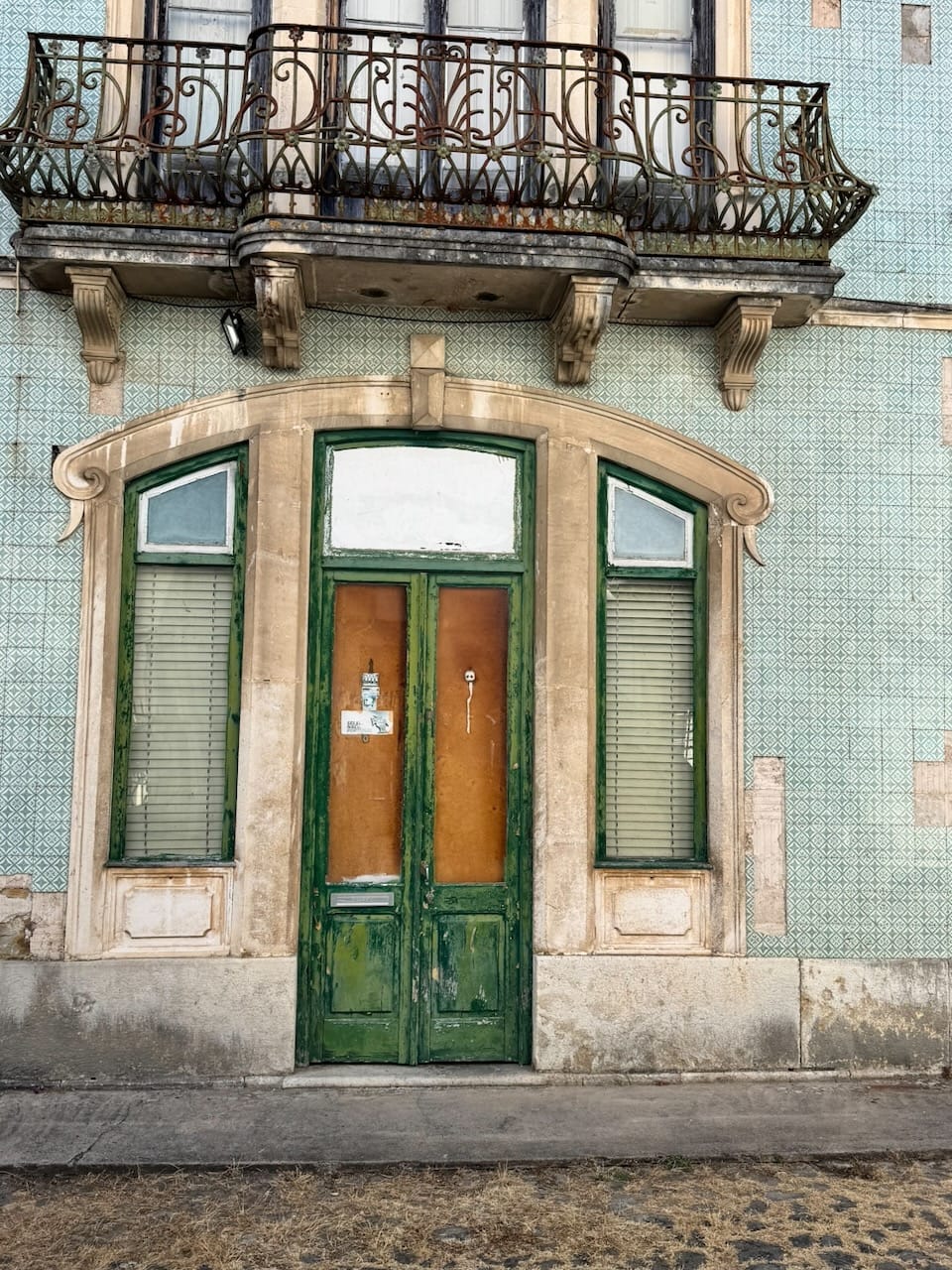
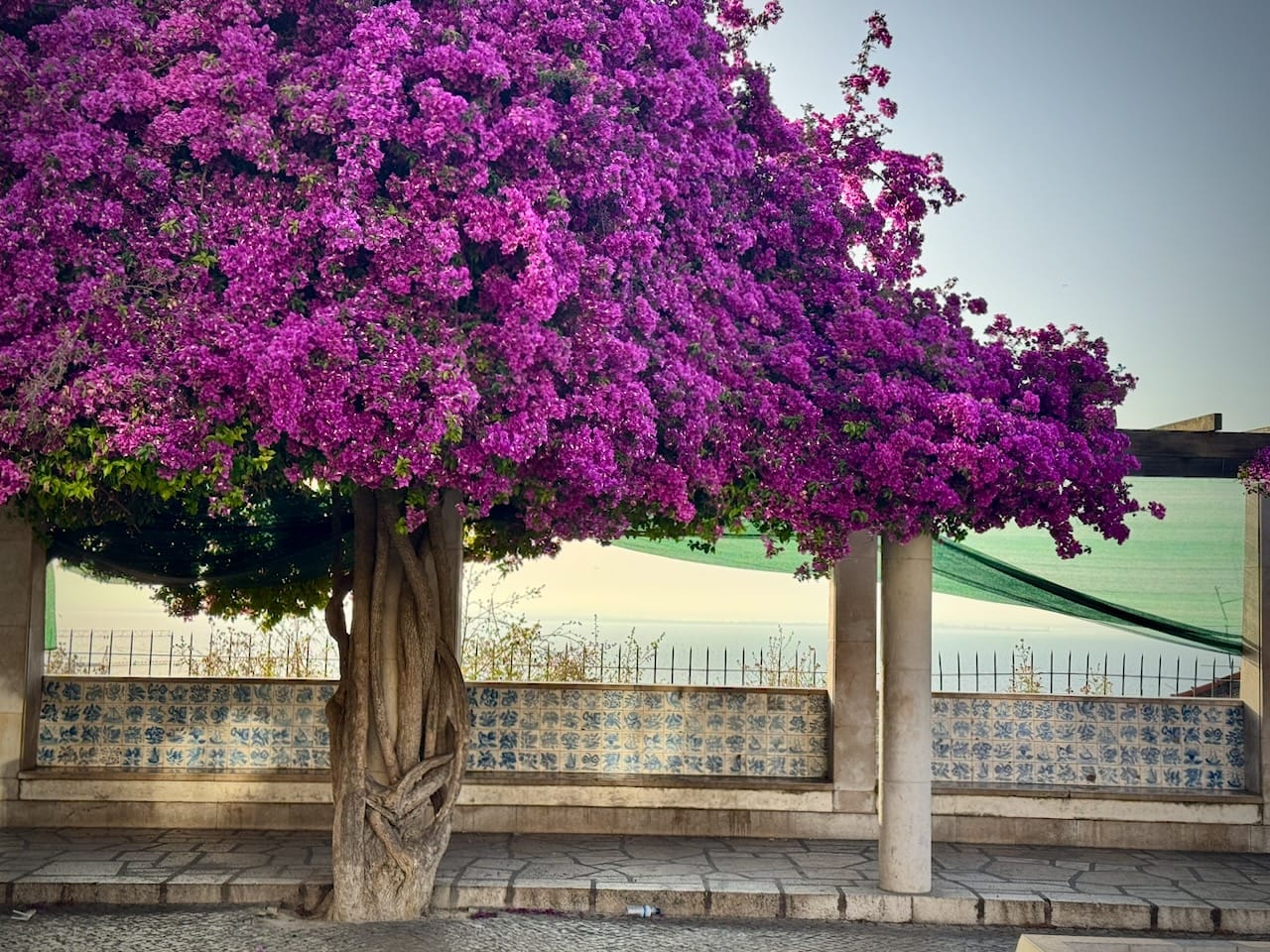
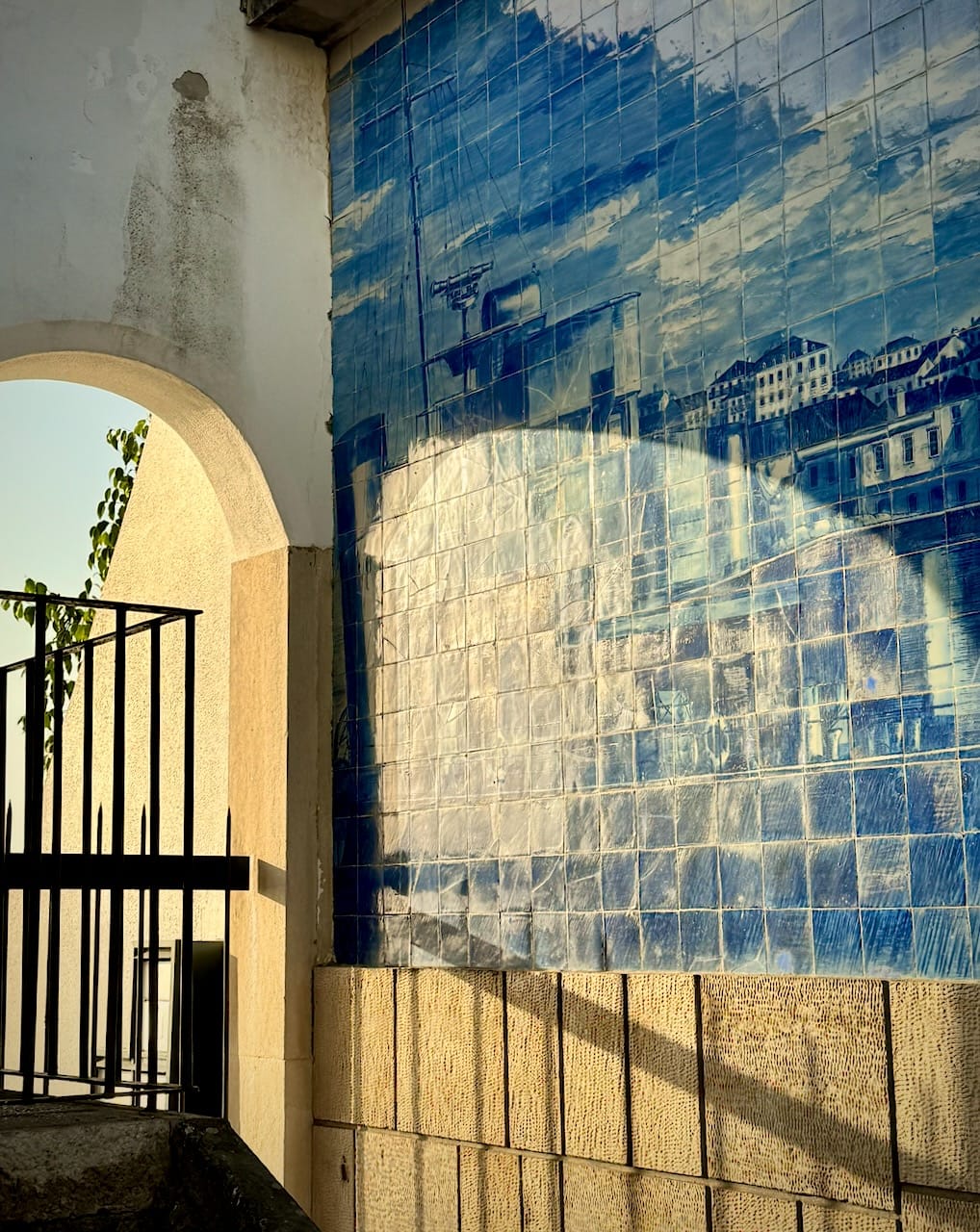
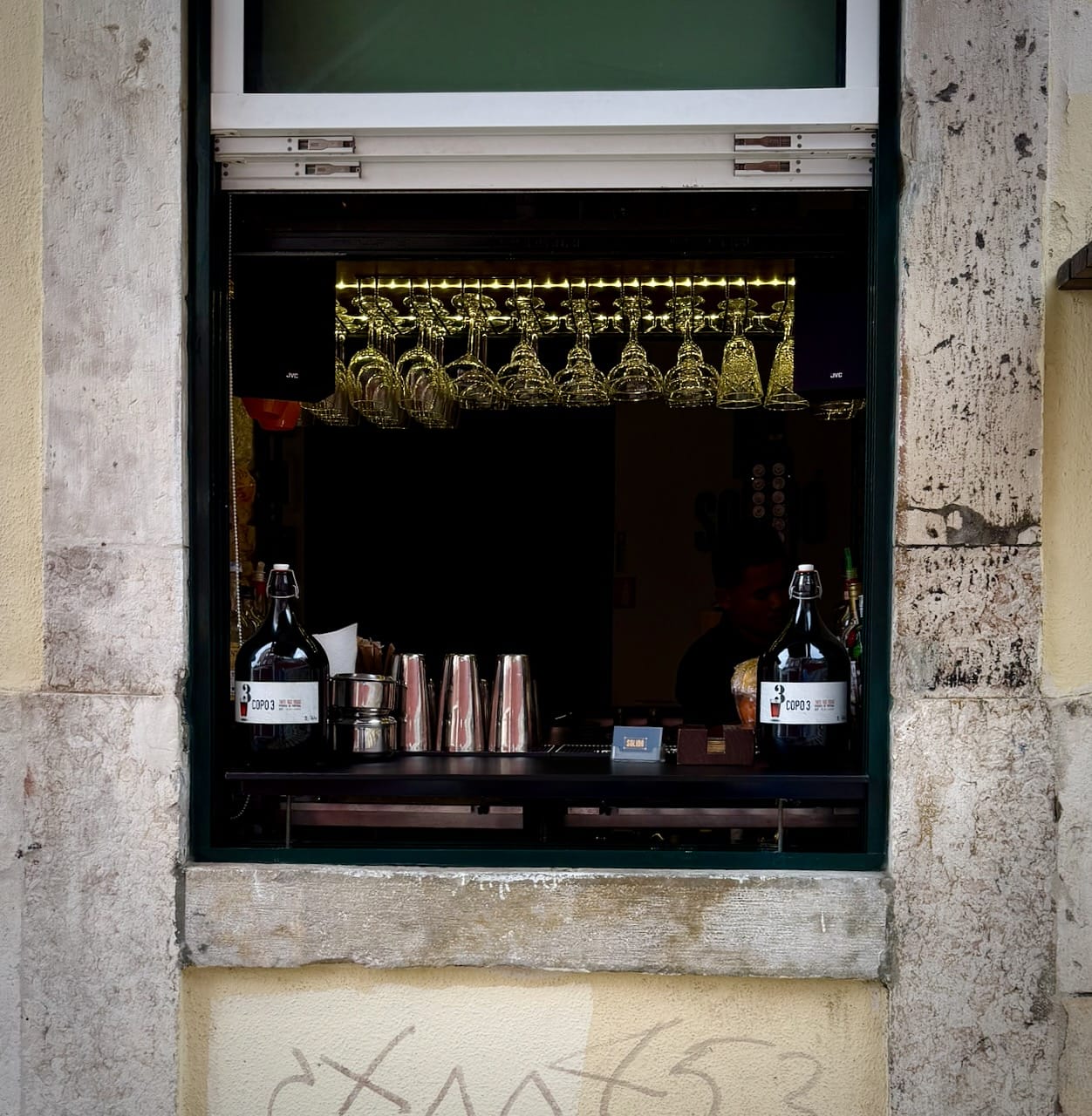
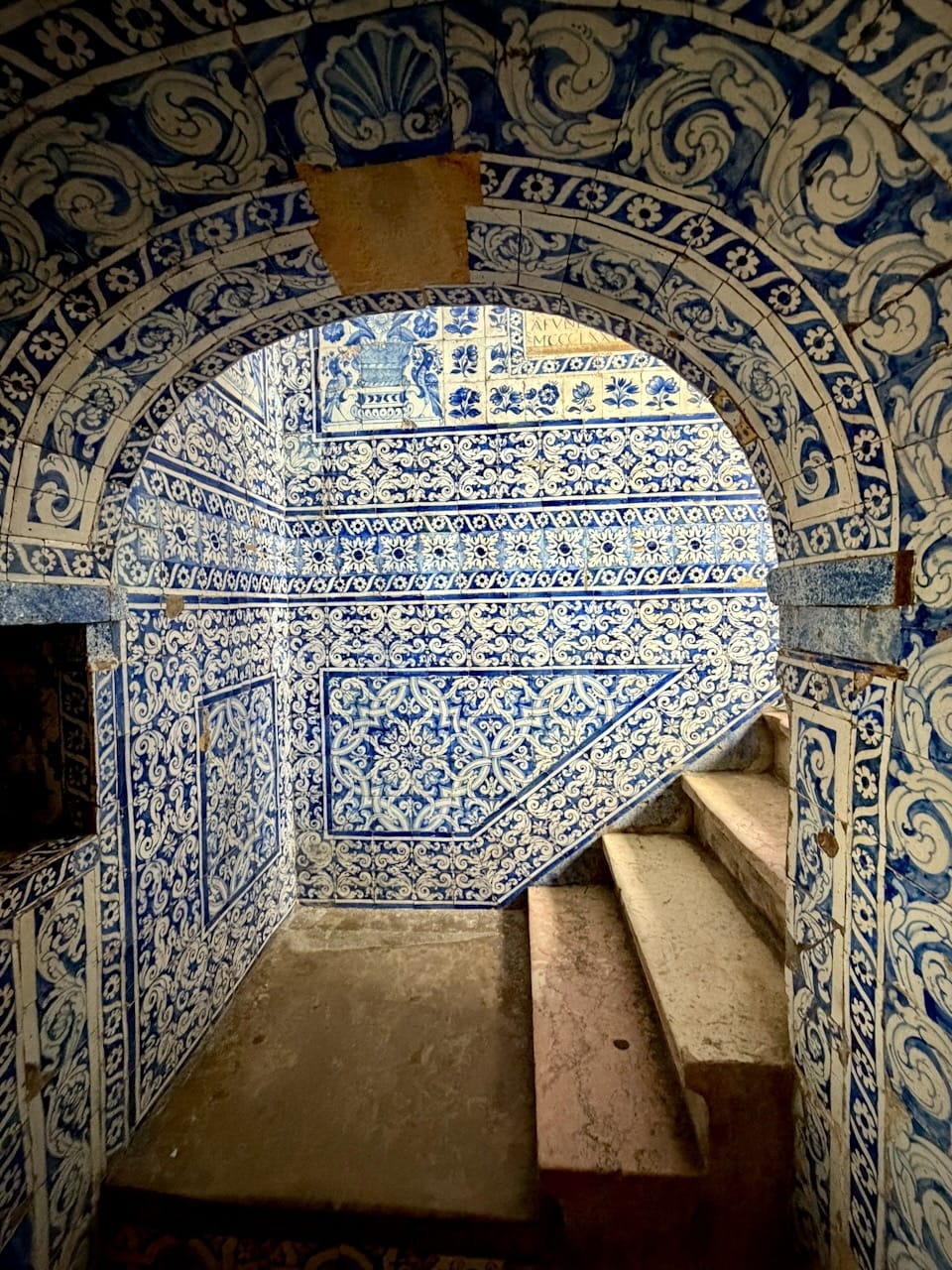
Terry knows Lisbon far better than I do, and I know he has found the locations between the set pieces that no guidebook bothers with — tiled stairwells, courtyards you’d stride past in daylight, the bit of wall behind the fishmonger’s — which is where the photographs usually are.
East over the Vasco da Gama bridge into cork-oak country. Whitewashed villages, storks on the chimneys, wildflowers to the horizon in a good year. We stop wherever the poppies are performing. Big skies all day; this is the tour’s cloud-and-horizon country. Sunset over the plain, then dark-sky work for those inclined.
The Alentejo has made wine since the Romans and still ferments some of it the old way, in man-high clay amphorae. A morning at a wine estate gives us vine rows running to the horizon under those enormous skies, then cool dark cellars where the talhas stand about like a Morandi still life.
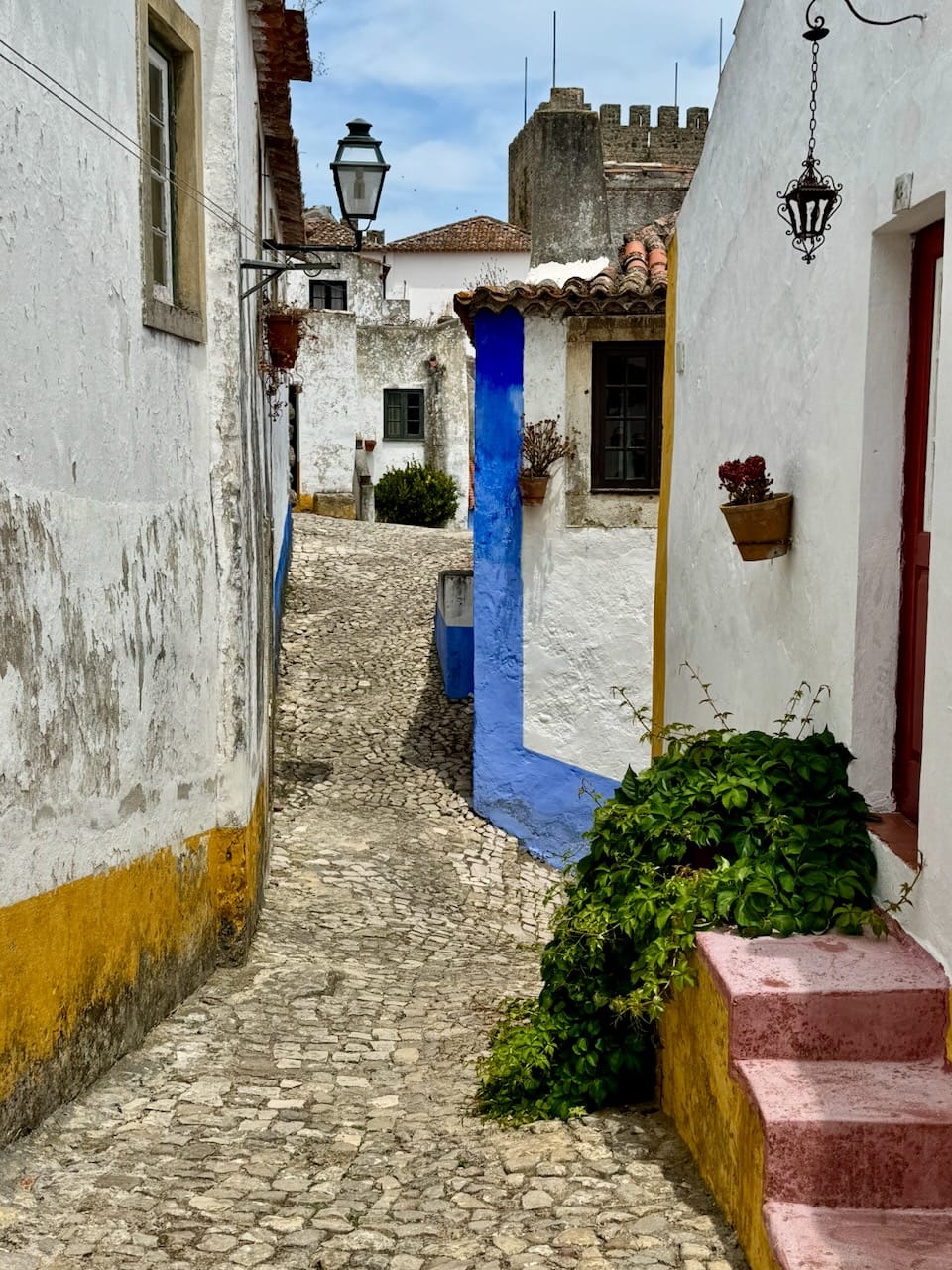
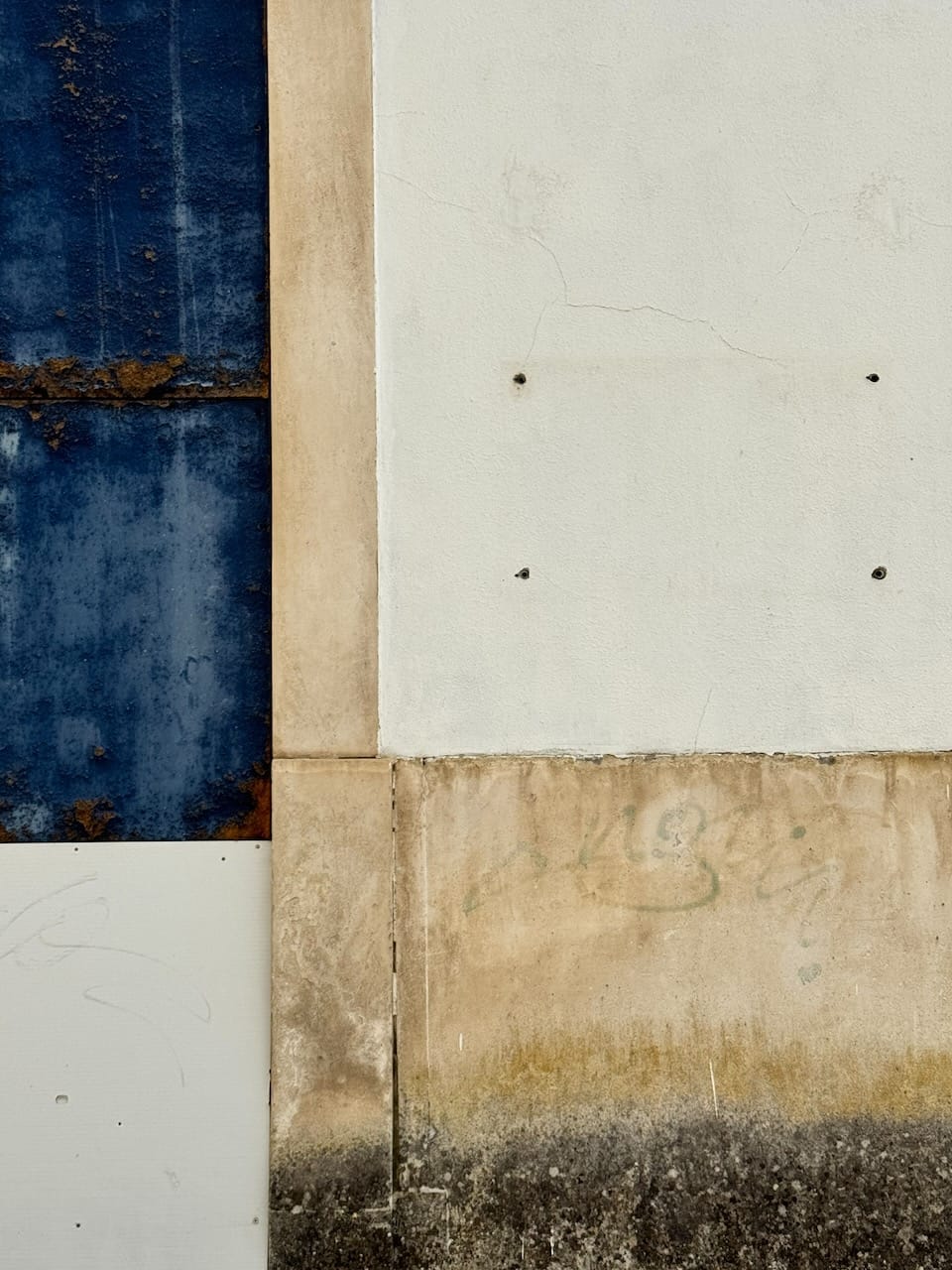
Óbidos knows exactly how pretty it is. Portuguese kings used to give the whole town to their queens as a wedding present, which rather set the tone. We arrive as the coach parties are leaving, when the lanes empty and the low light gets to work on whitewash edged in blue and yellow. Ginjinha, the local cherry liqueur, is served in little cups made of chocolate, so obviously you eat the glass. By evening we’ll have the town almost to ourselves.
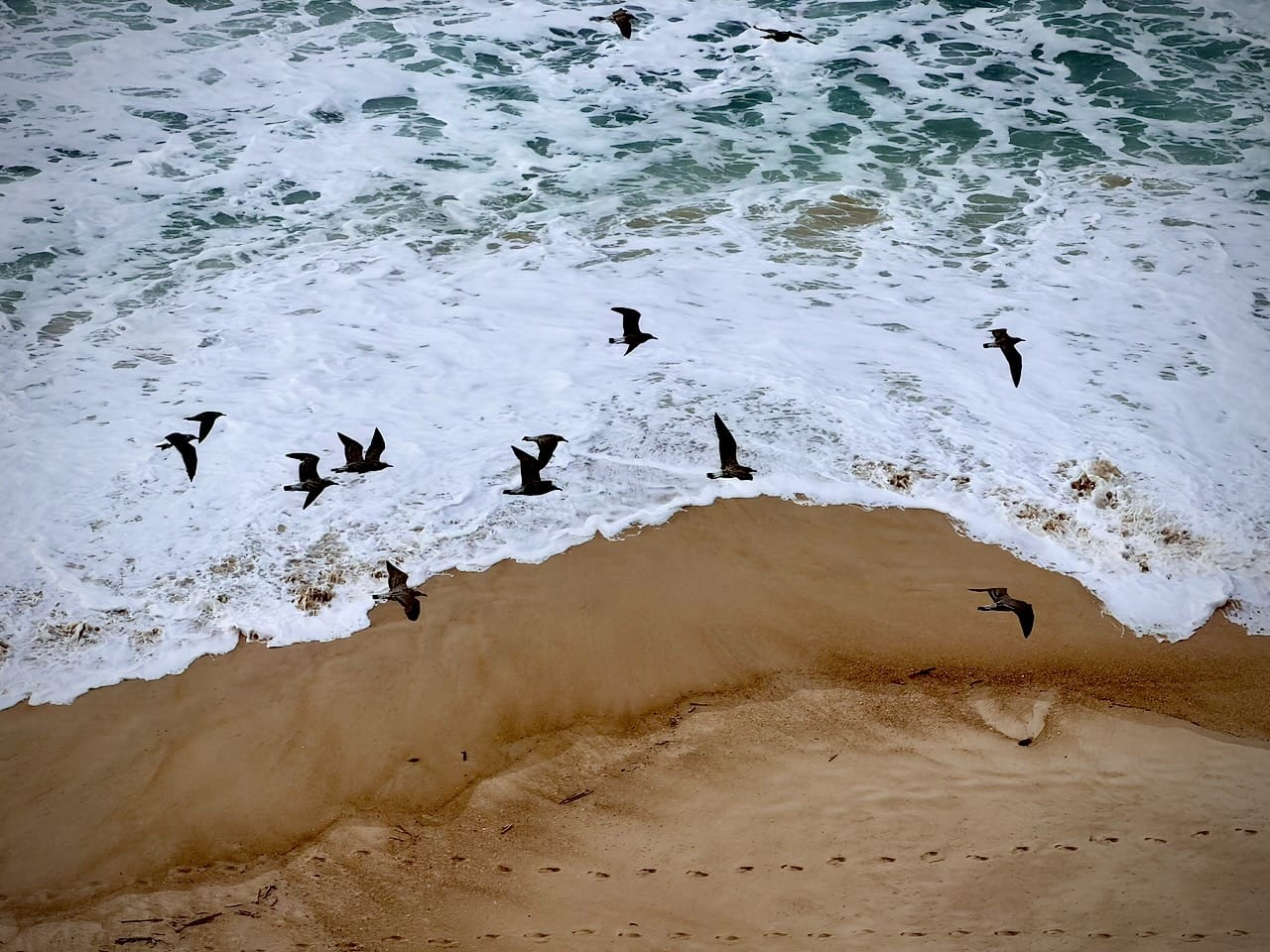
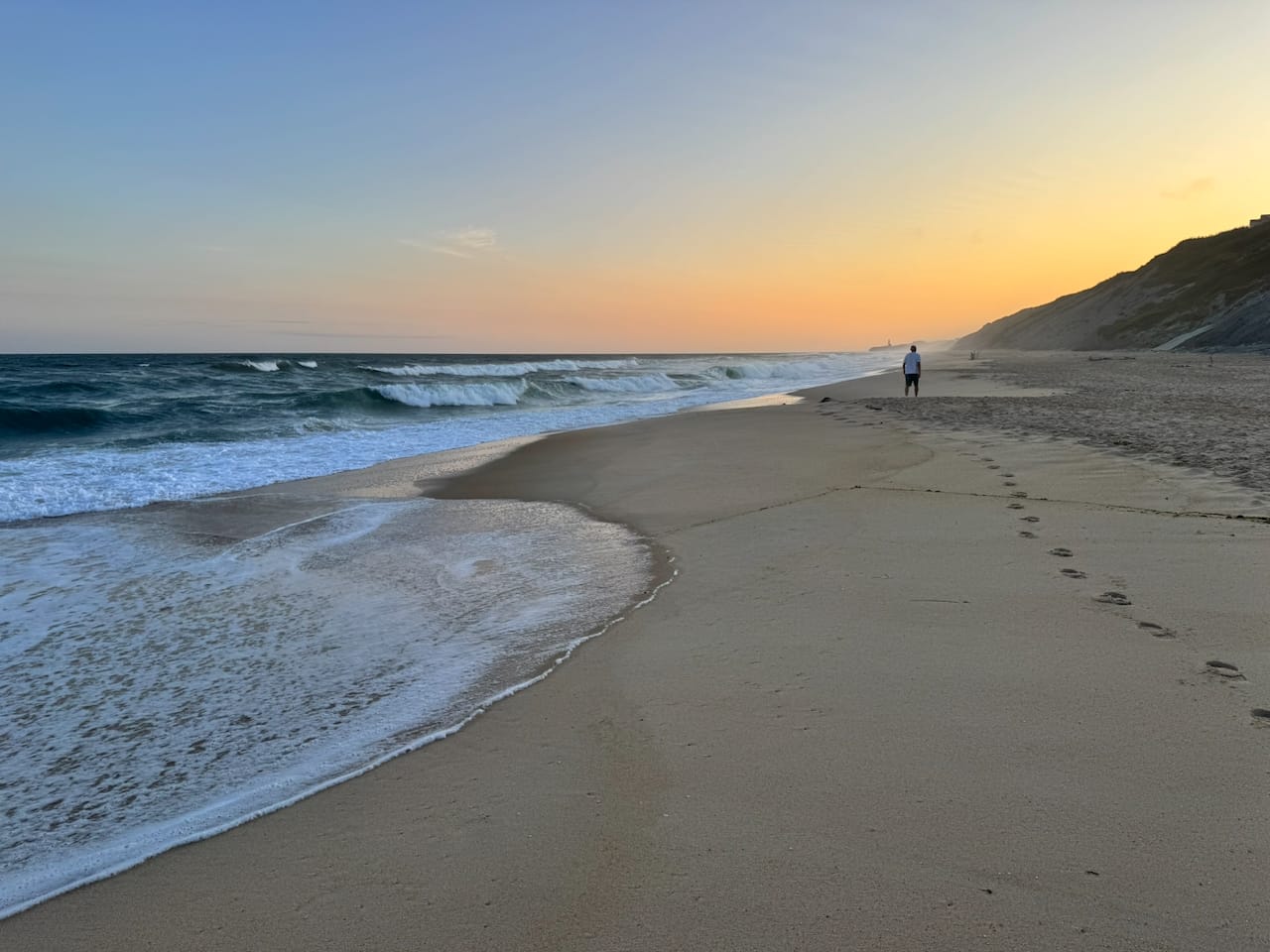
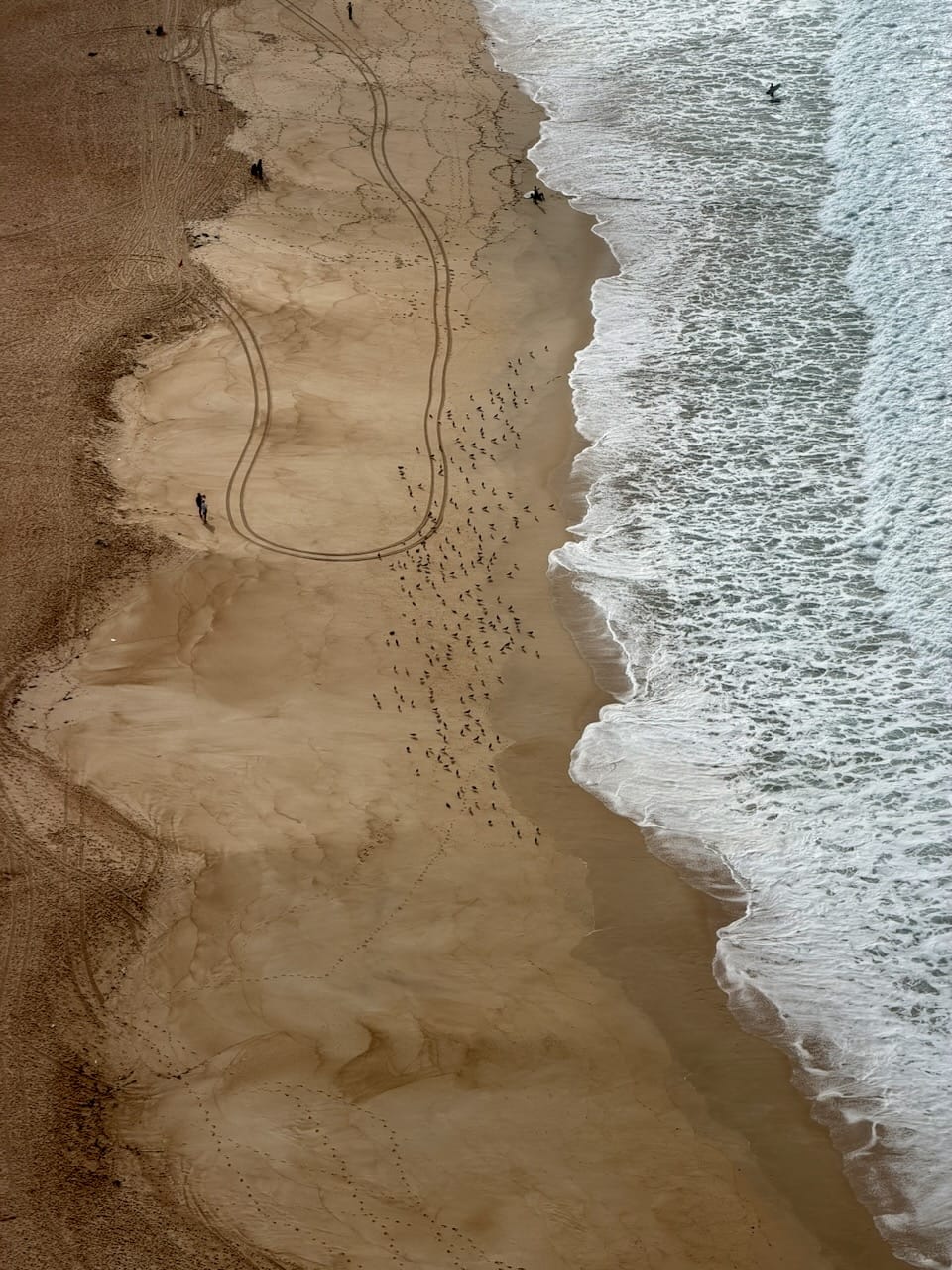
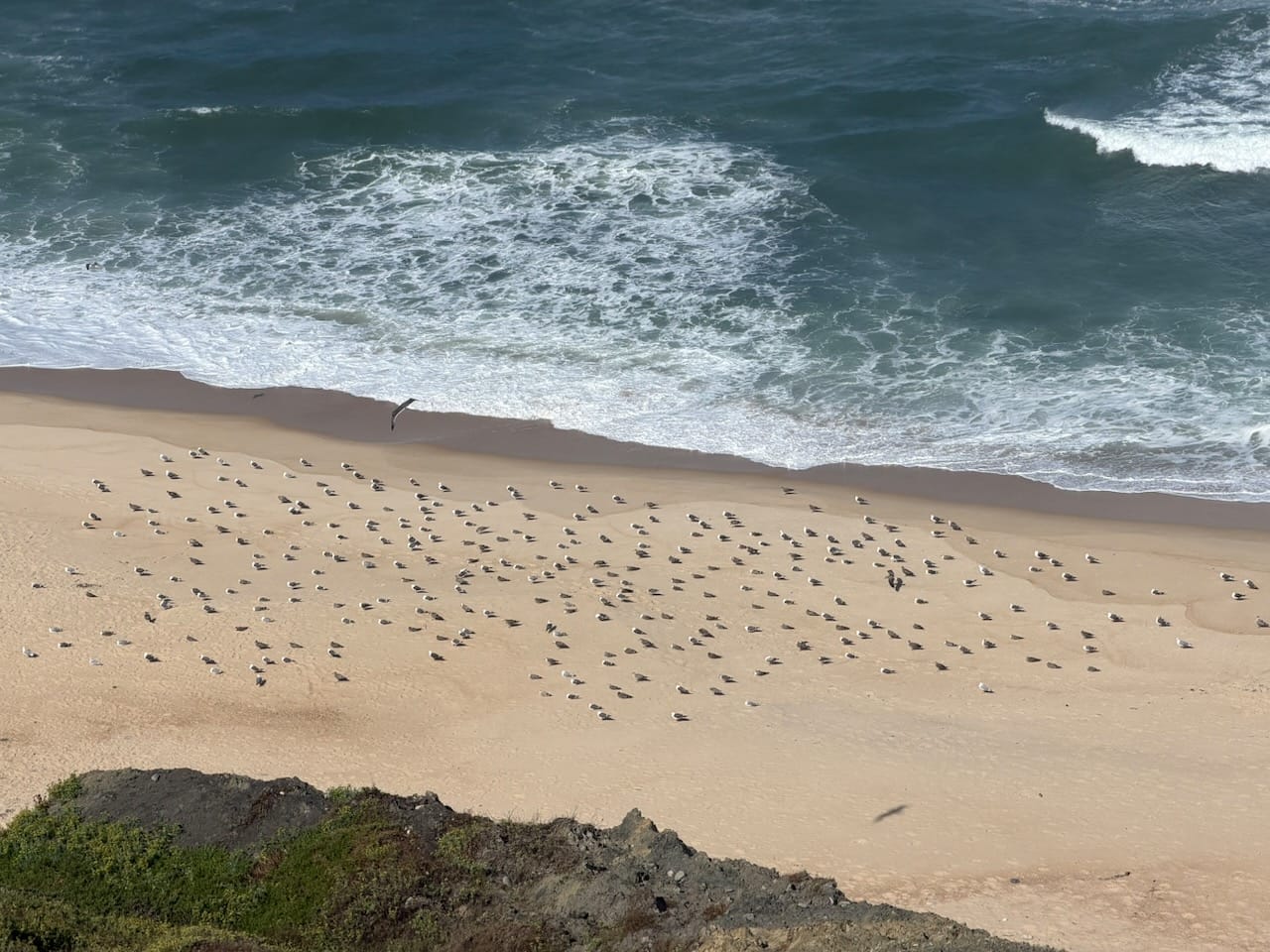
And then home. Pedra do Ouro is where both tours finish: a small village on a long, quiet stretch of coast, with a beach in front of the house that we mostly have to ourselves. The pines run right down to the dunes here; this is the royal forest planted seven hundred years ago to hold back the marching sand, later felled for the ships of the Discoveries. Where the storms have been through, the stripped trunks now stand like scattered toothpicks, which sounds bleak and photographs beautifully. We drive the twenty minutes to Sítio, the clifftop above Nazaré, and look down on the beach and the ocean that produces the biggest waves ever surfed.
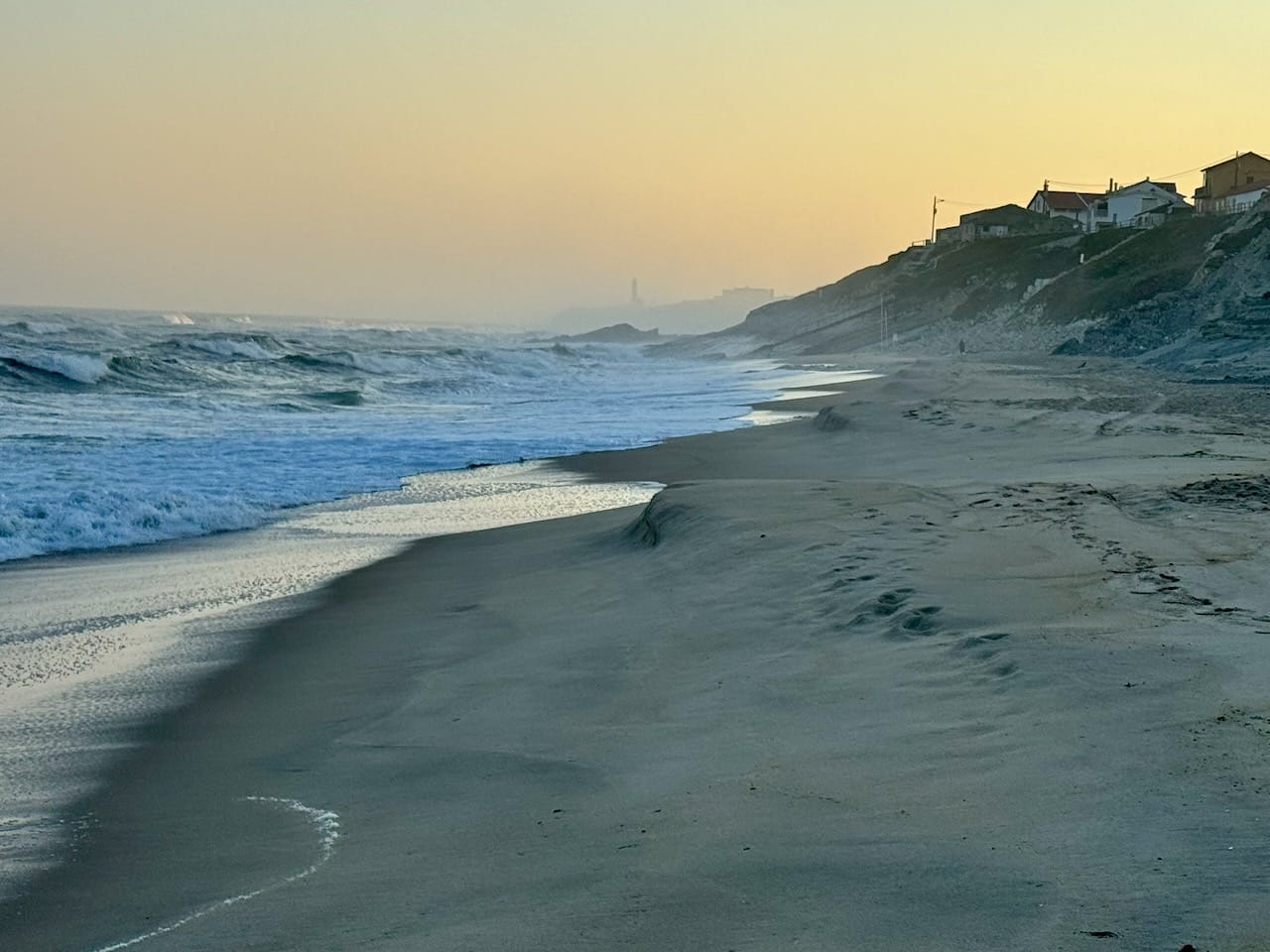
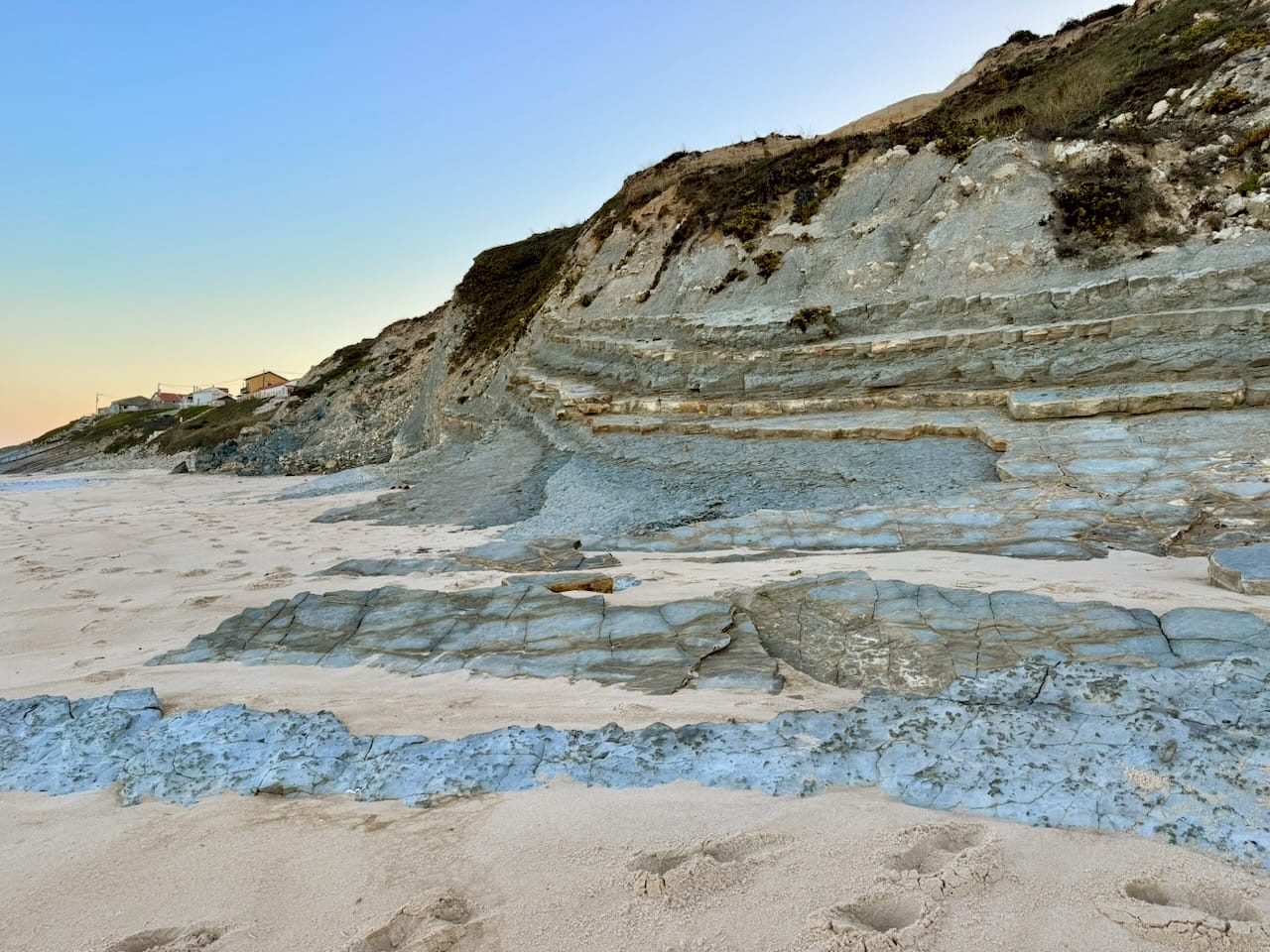
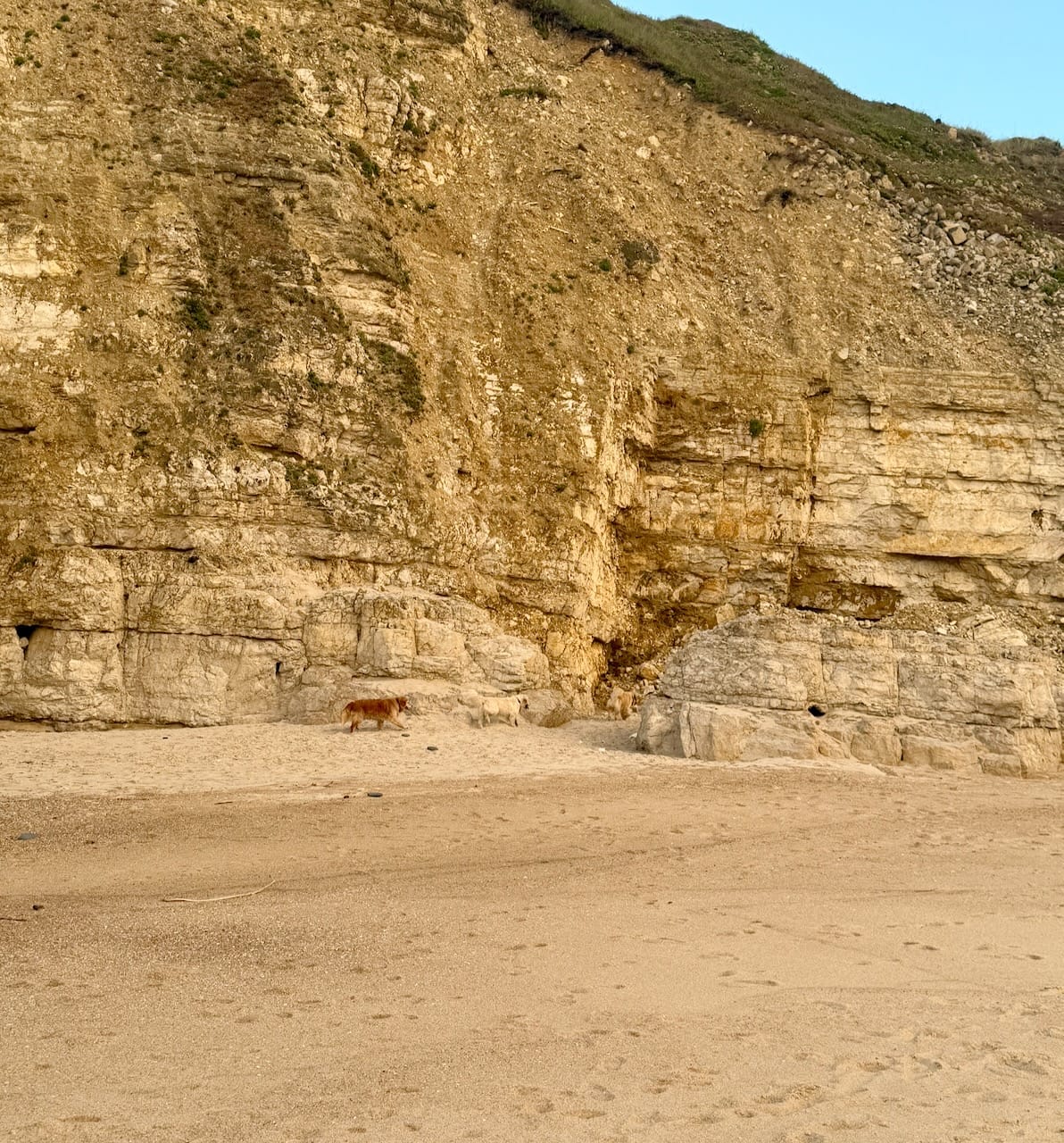
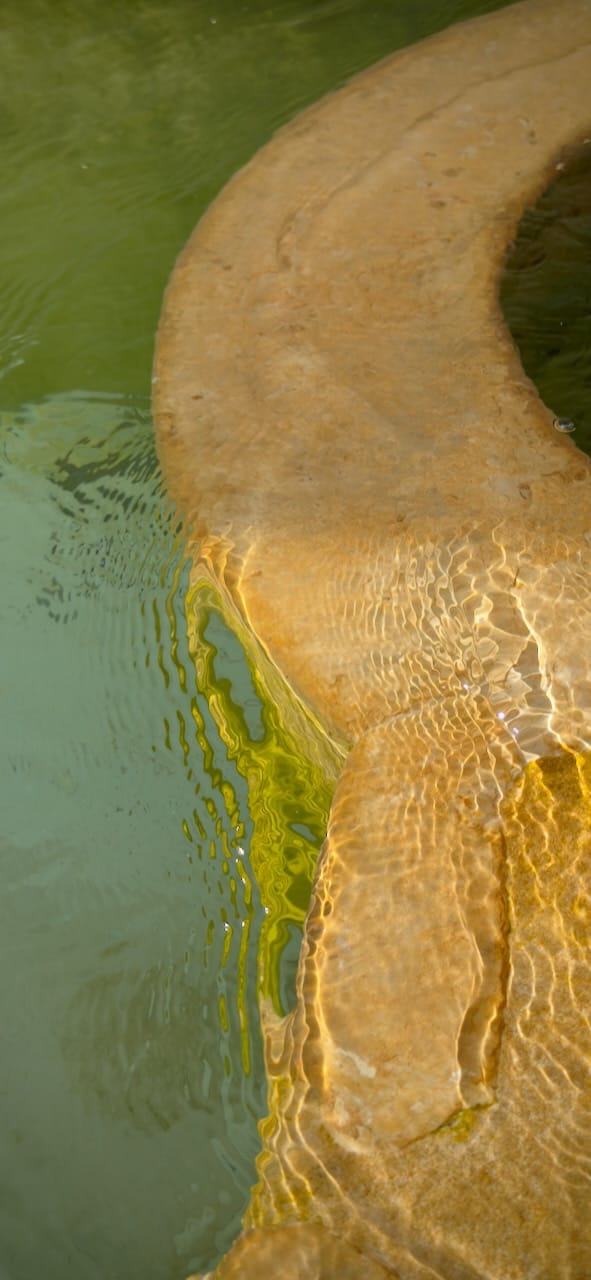
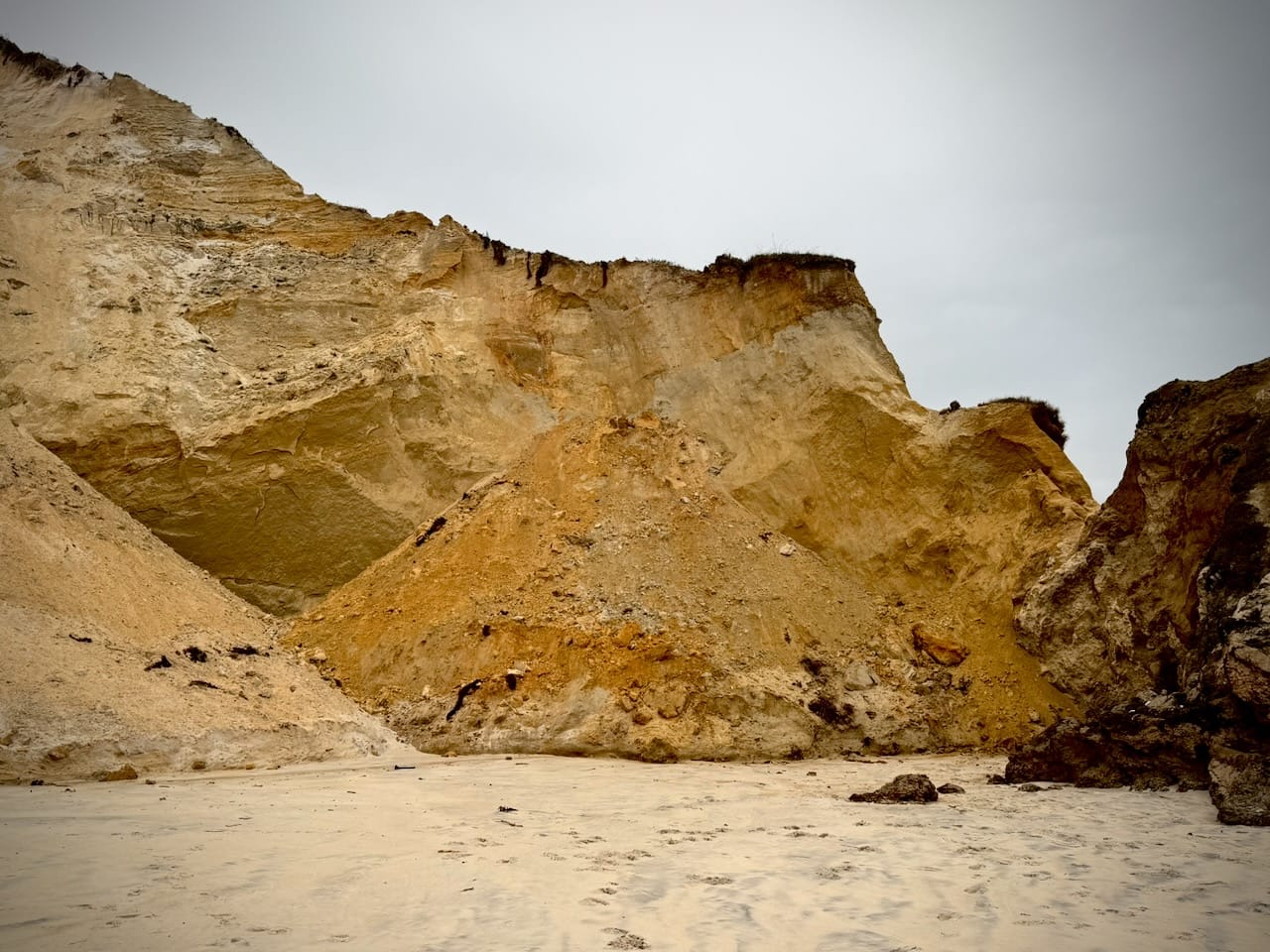
The last two days belong to the coast itself: the beach below the house, the clifftops above it, and the crashing Atlantic between the two. The village is named for its rock — pedra do ouro, the stone of gold — and the cliffs a short walk away have been waiting nearly two hundred million years to be photographed. Layered Jurassic seabed folded into long curves, studded with fossil oysters of the kind fossil hunters call devil’s toenails, important enough to sit on the national inventory of geological heritage. Gold strata, dark rock pools, white water over everything. At the end of the day the stone behaves exactly as the name promises.
We aren't short of cute towns either ... if time allows.
NORTH - October 2027
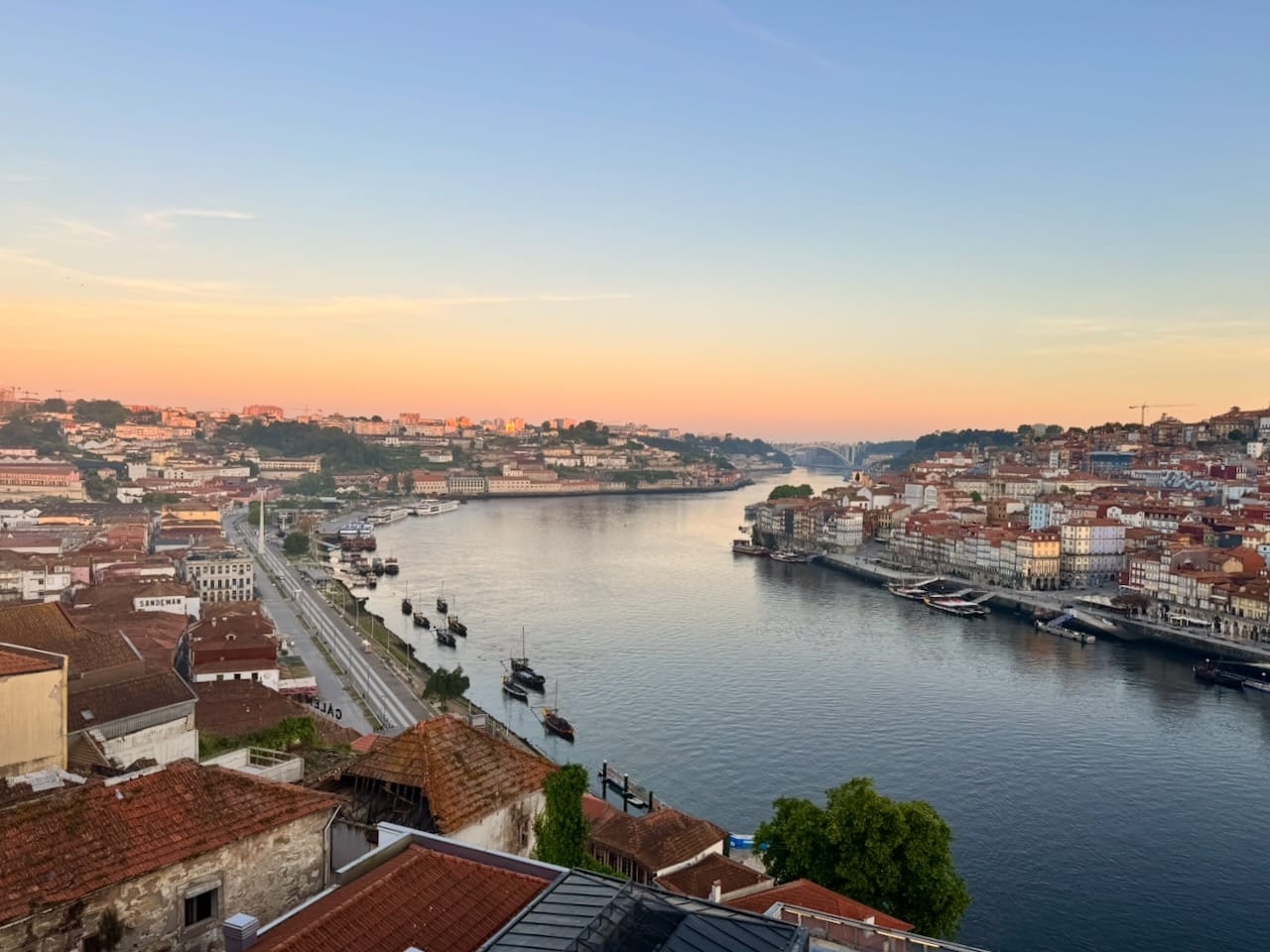
Porto mid-October, when the crowds thin and the vineyard country turns rust and gold. Porto is a city dressed in azulejos; there’s a railway station lined with twenty thousand of them, which borders on the deranged and is wonderful to photograph. Beyond that I’ll keep the itinerary to myself for now — there are one or two places we’ve spent a while getting to know, and I’m going to keep them under wraps until the tour is ready to go.
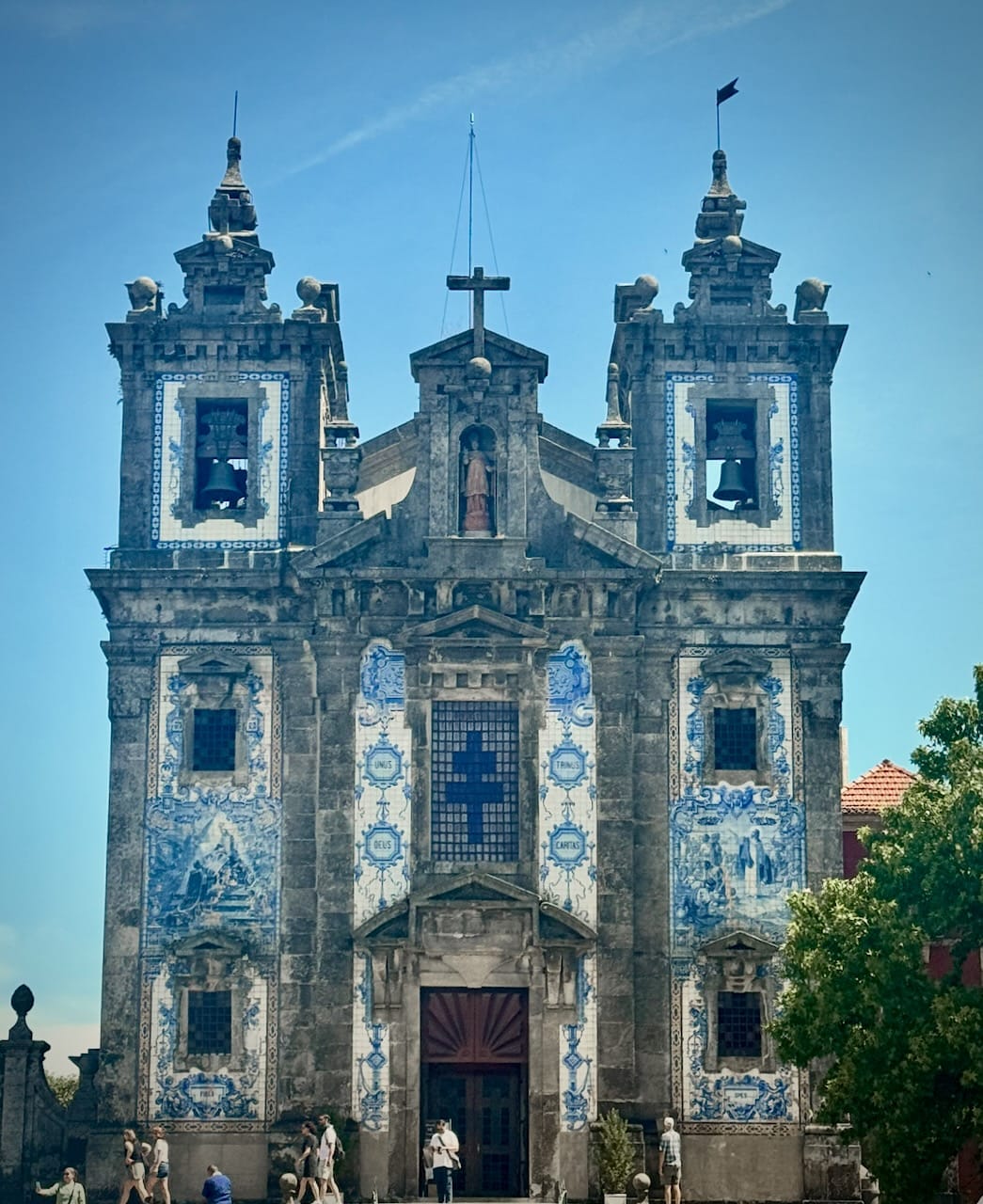
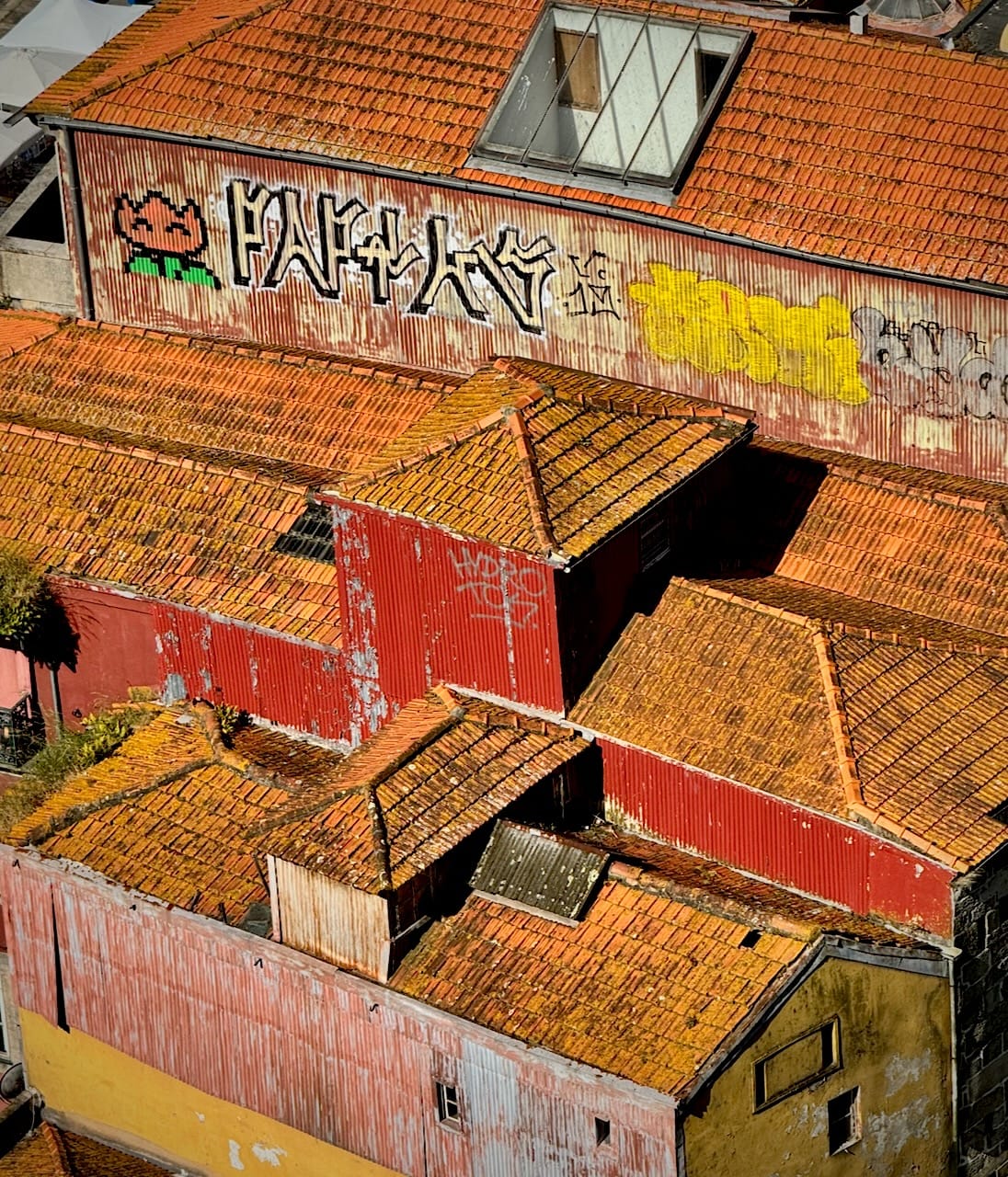
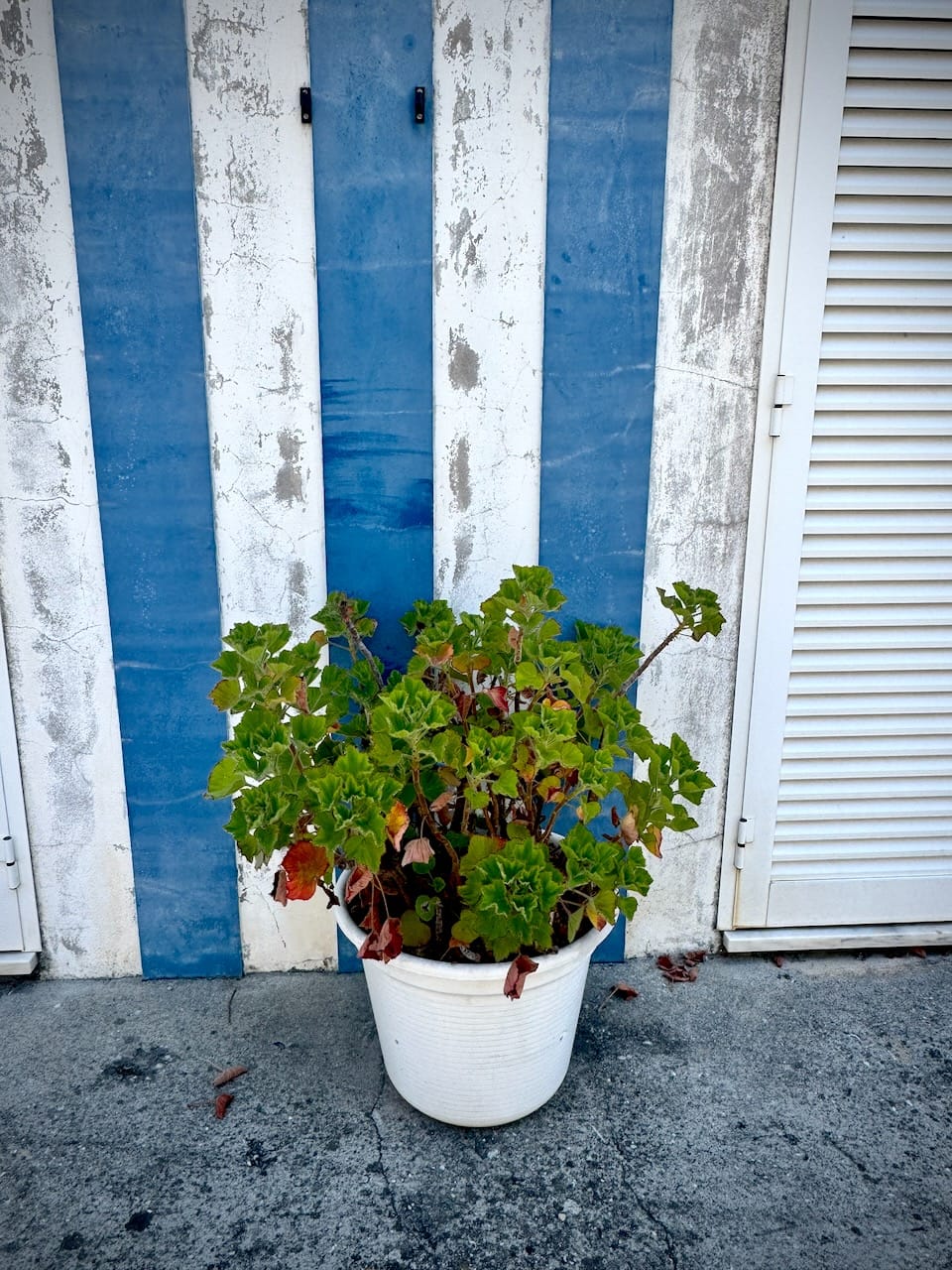
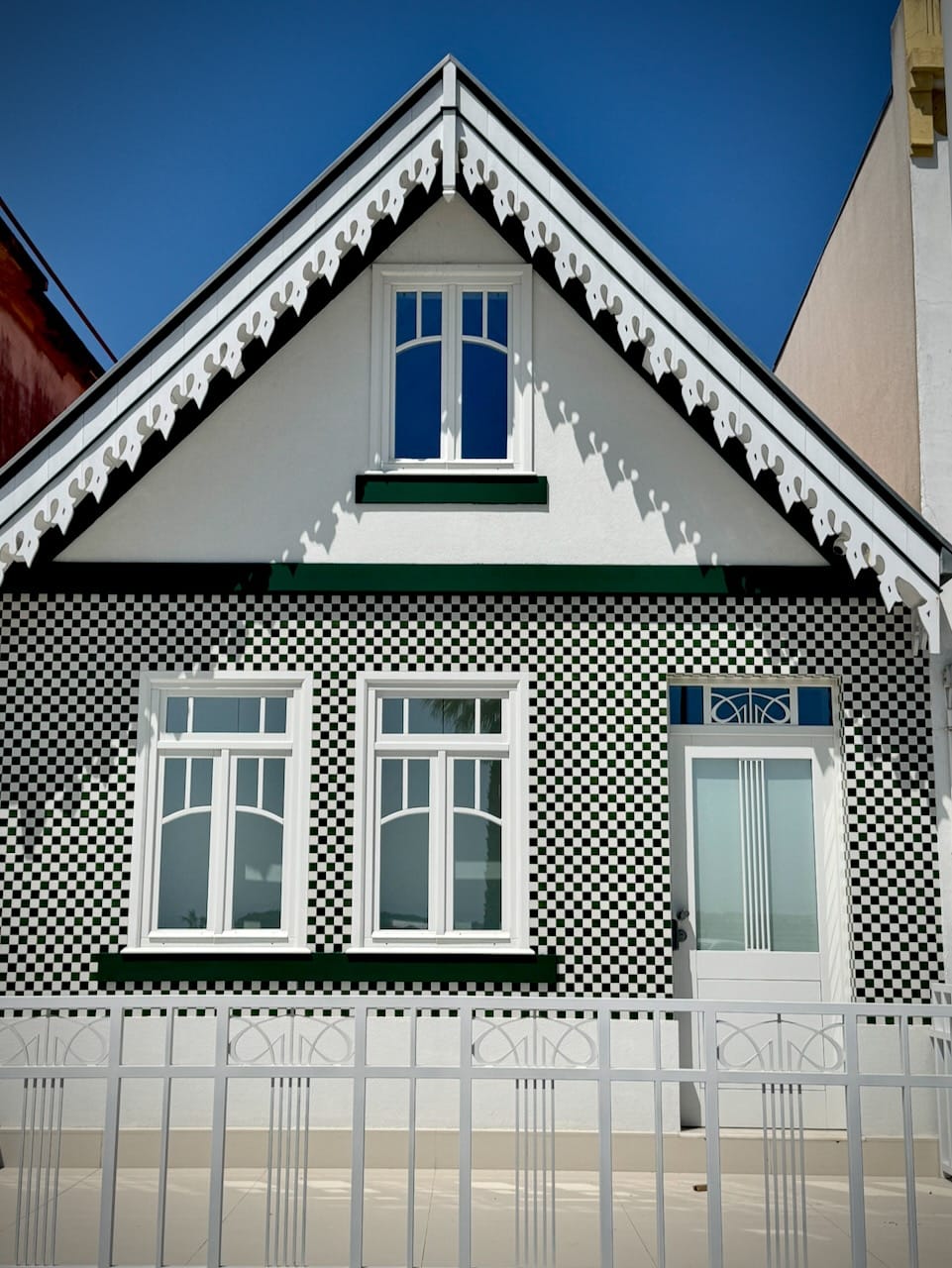
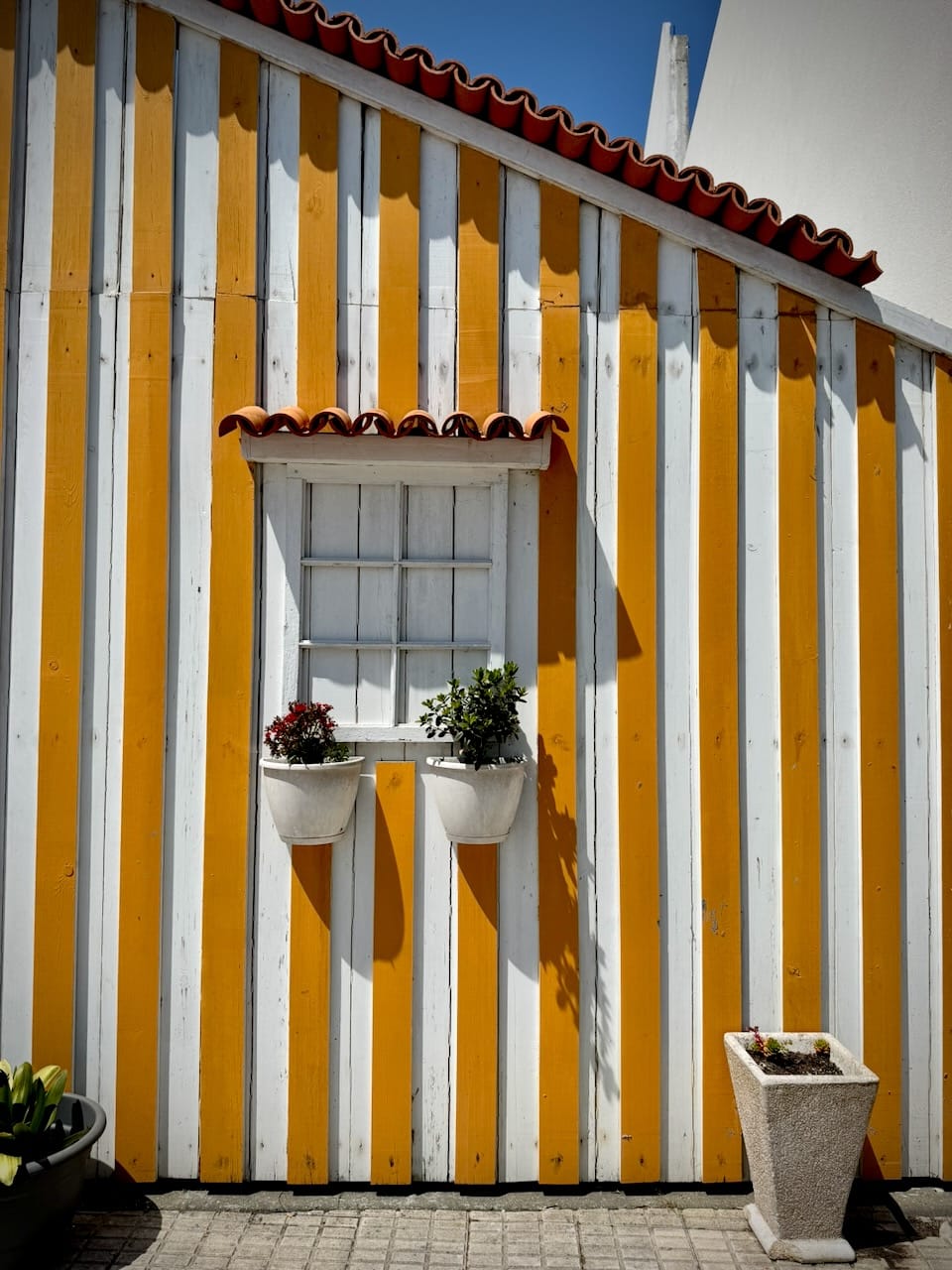
A meandering journey inland from there, touching on the achingly Instagrammable candy-striped houses (obvs).
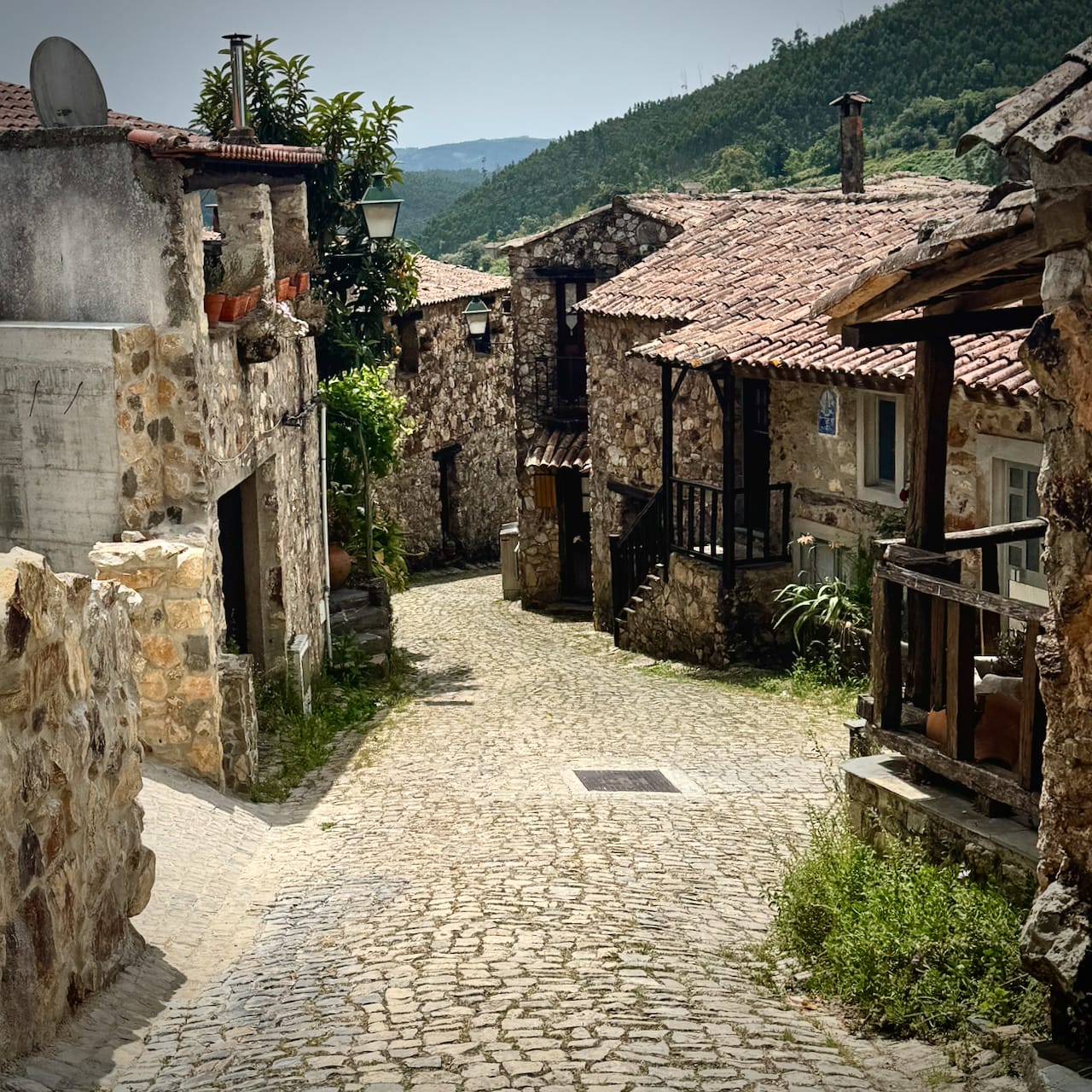
Then into the Serra da Lousã. The aldeias do xisto — schist villages — are twenty-seven abandoned mountain hamlets built entirely of dark schist stone: walls, roofs, streets, staircases, the lot. Some were reduced to a handful of shepherds by the late twentieth century and are only now being restored, slowly, in the original materials. Our base is Cerdeira, a village reached on foot along a wooded track, which houses an arts and crafts school inside its restored schist houses. The region is a certified Dark Sky reserve, so the evenings that behave will give us the sky as well.
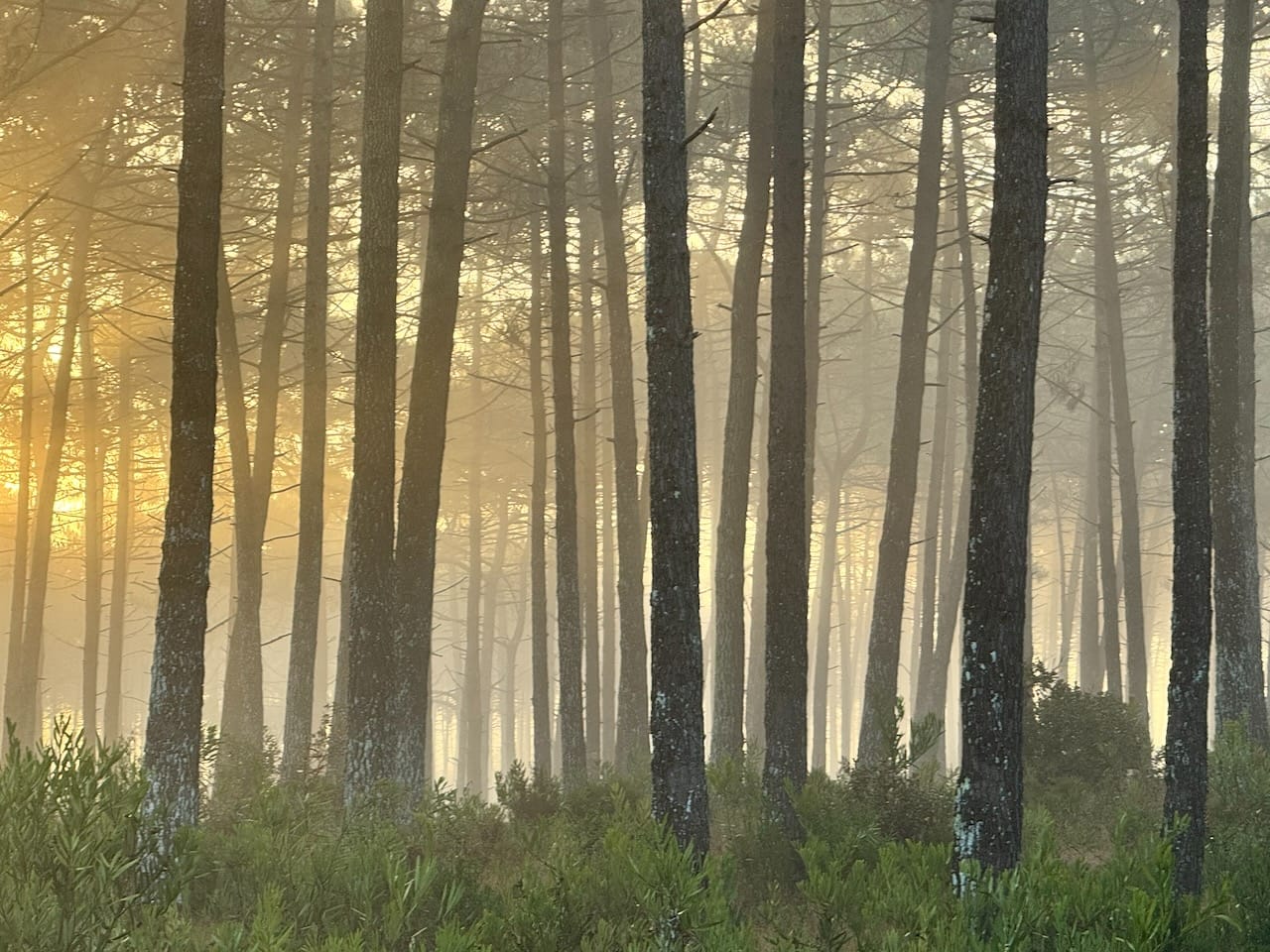
And then home. Pedra do Ouro is where both tours finish: a small village on a long, quiet stretch of coast, with a beach in front of the house that we mostly have to ourselves. The pines run right down to the dunes here; this is the royal forest planted seven hundred years ago to hold back the marching sand, later felled for the ships of the Discoveries. Where the storms have been through, the stripped trunks now stand like scattered toothpicks, which sounds bleak and photographs beautifully. We drive the twenty minutes to Sítio, the clifftop above Nazaré, and look down on the beach and the ocean that produces the biggest waves ever surfed.
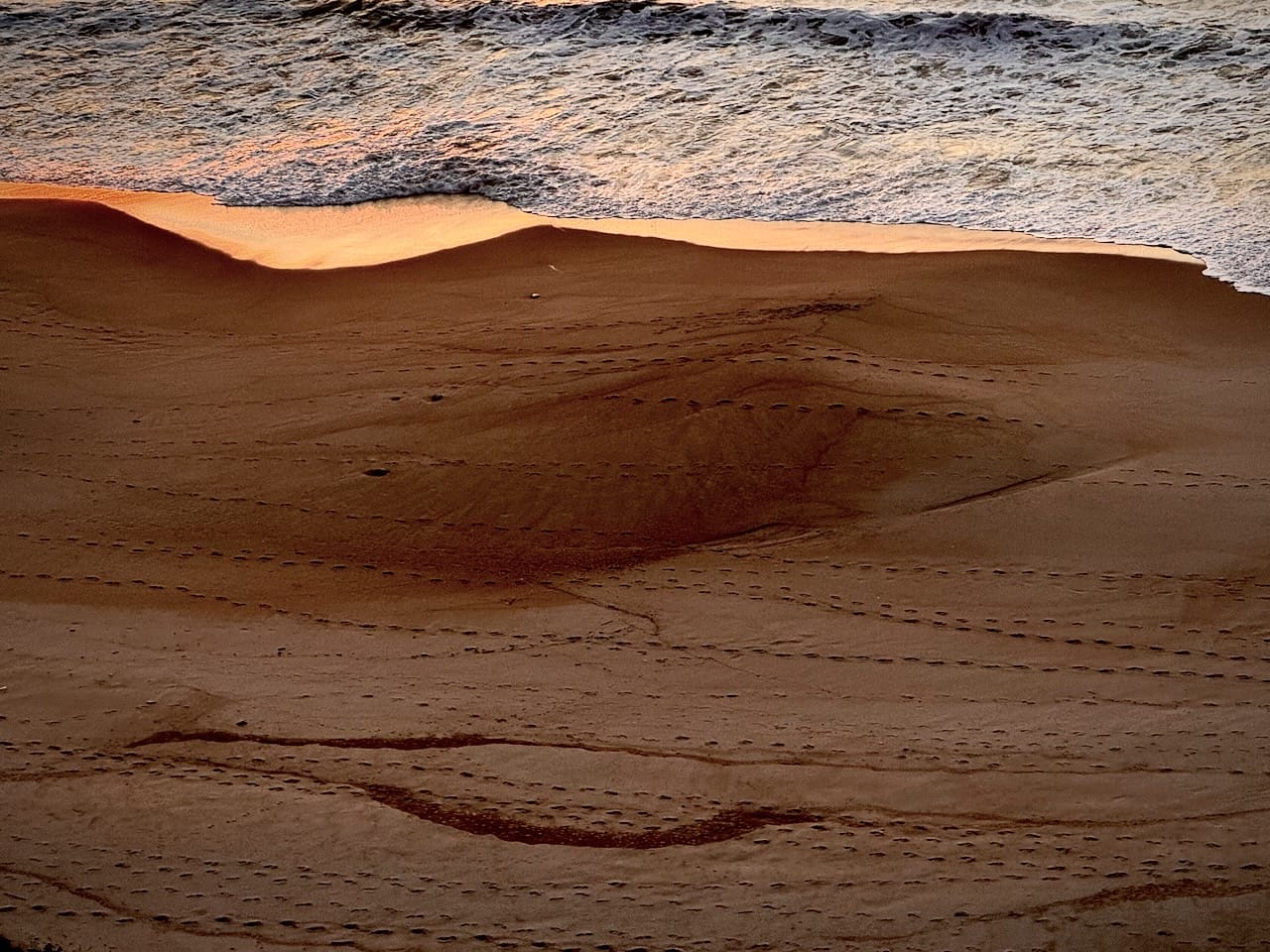
As with the South tour, for the final two days we stop moving. Pedra do Ouro gives us quite enough to be getting on with: the beach below the house, the clifftops above it and an Atlantic that seems constitutionally incapable of doing the same thing twice.
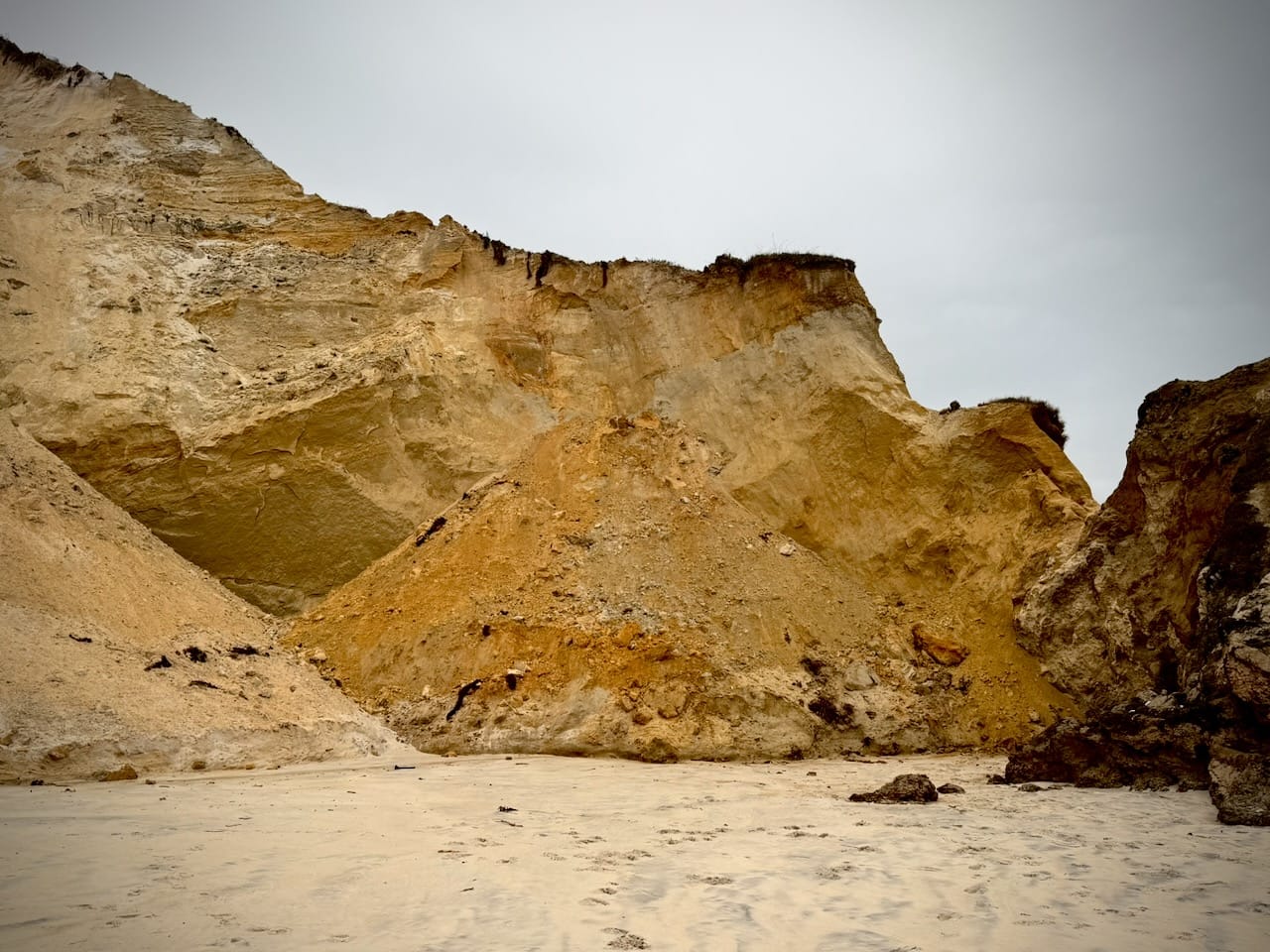
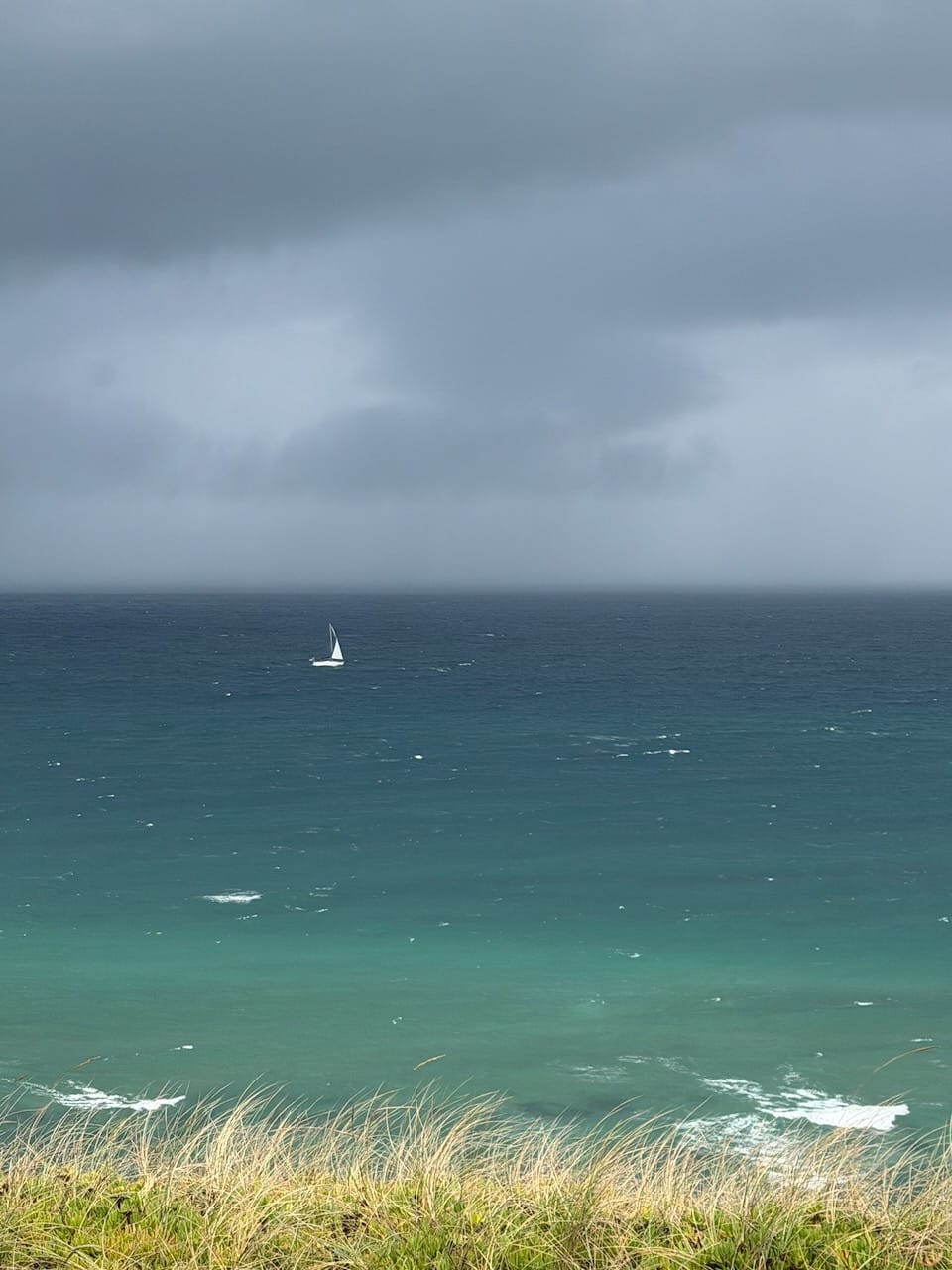
This is a coast of extraordinary shifts. Flat silver water can become white chaos remarkably quickly; enormous cloud systems arrive from the west and change the light by the minute. At low tide the rocks expose pools, channels and dark wet surfaces, while the cliffs run through ochre, cream and gold. Come back a few hours later and much of it has disappeared beneath the water.
There is geology here on a fairly unreasonable timescale. The Jurassic cliffs nearby are almost two hundred million years old, their ancient seabeds now folded and tilted into great sweeping layers, with fossil oysters — the wonderfully named devil’s toenails — embedded in the rock. The formations are significant enough to be included in Portugal’s national inventory of geological heritage.
Mostly, though, these two days are about having time. Time to return to the same places in different weather, different tides and different light, and discover that they aren't really the same places at all.
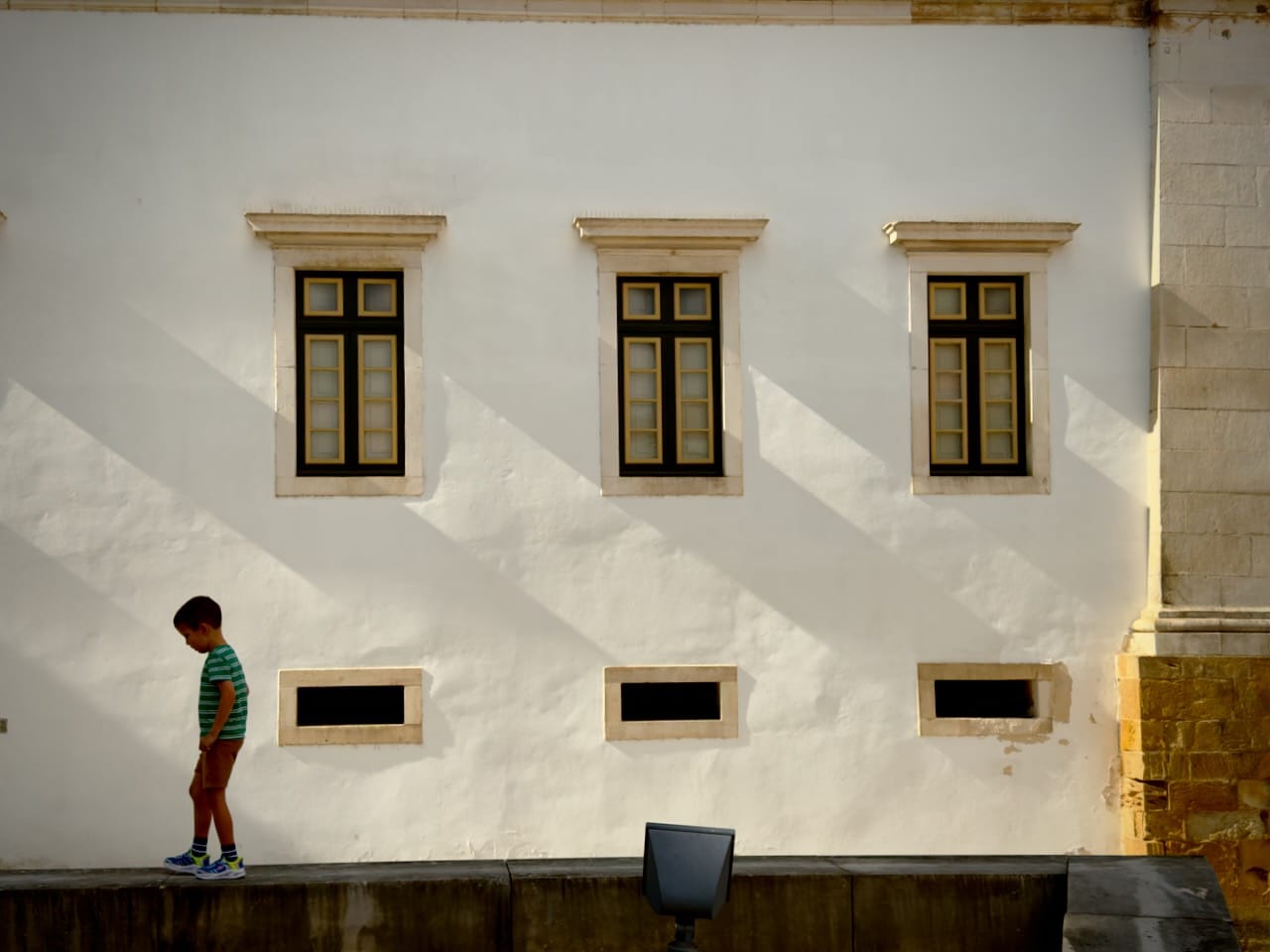
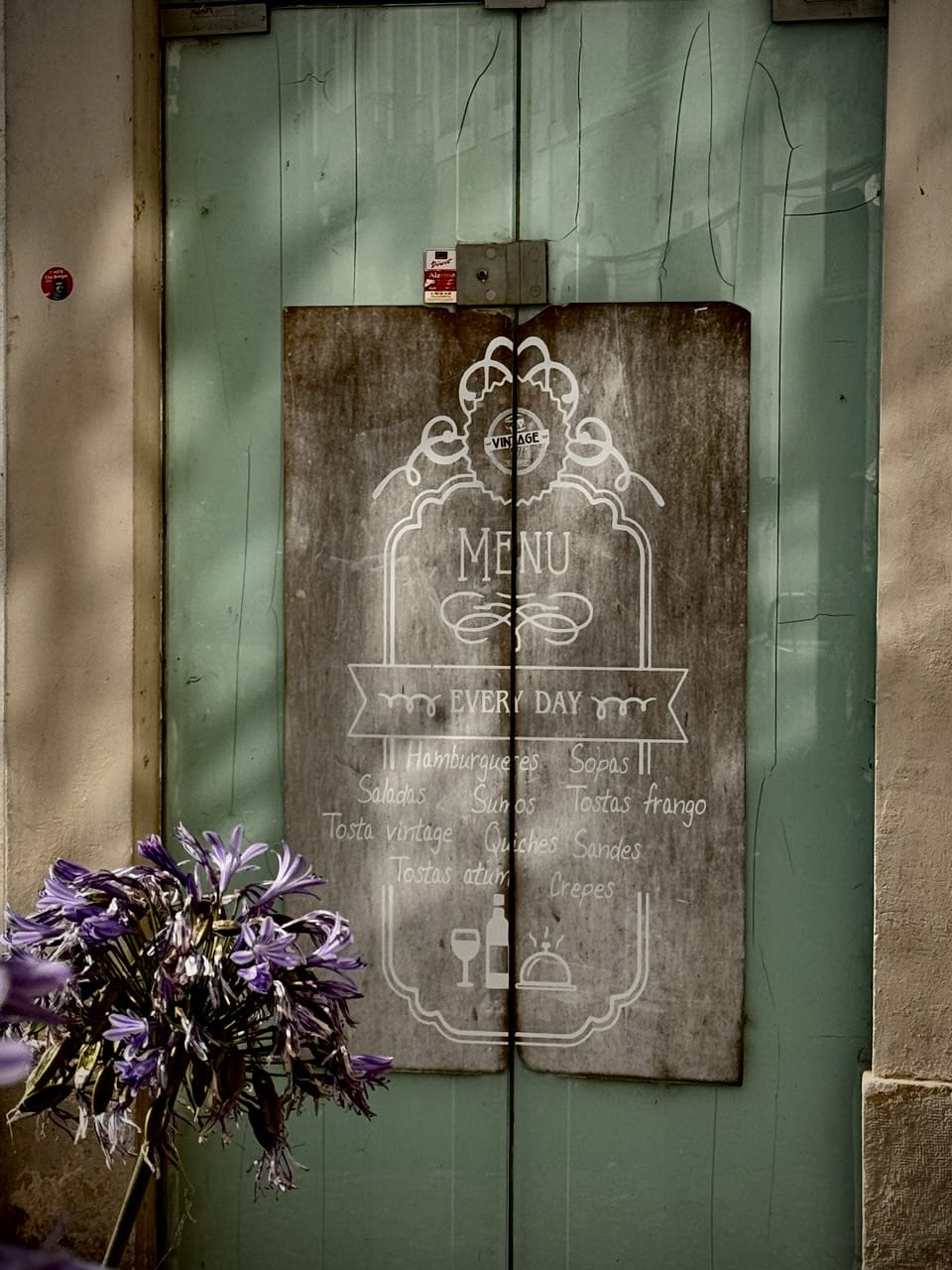
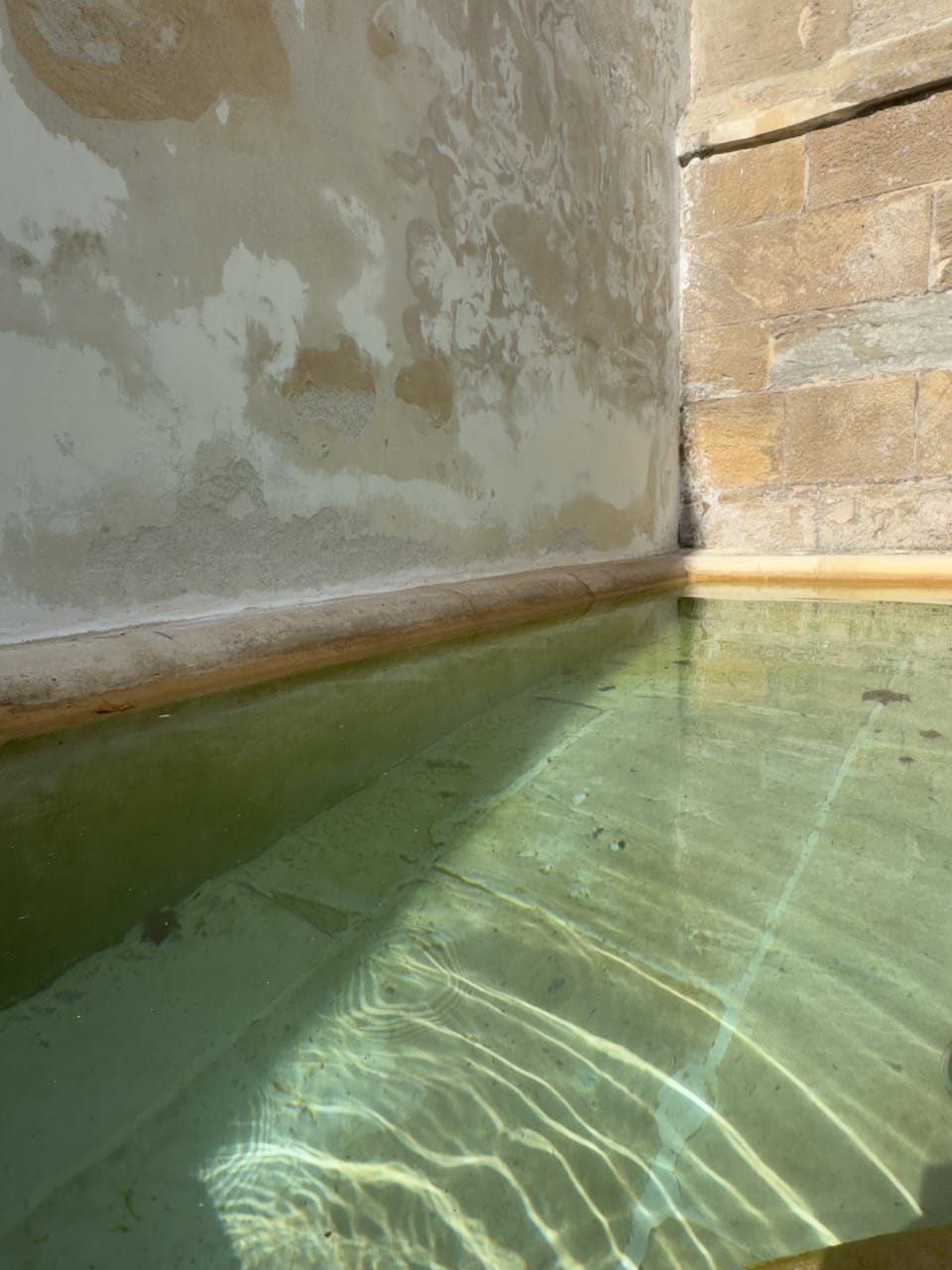
We aren't short of cute towns either. We may even photograph one if time allows.
...ONE MORE THING (to quote the late, great Steve Jobs)
CENTRAL - date tbc; spring 2028
We heard a rumour that there was a space underneath our ground-floor apartment. This seemed unlikely, but then quite a lot of things about our relocation to Portugal have turned out to be unlikely.
Yesterday the builders opened it up. There is, in fact, a room down there, running the width of the property above, unfinished for reasons we can only speculate. Brick, concrete and quite a lot of sand and currently possessing rather more industrial character than is strictly necessary.
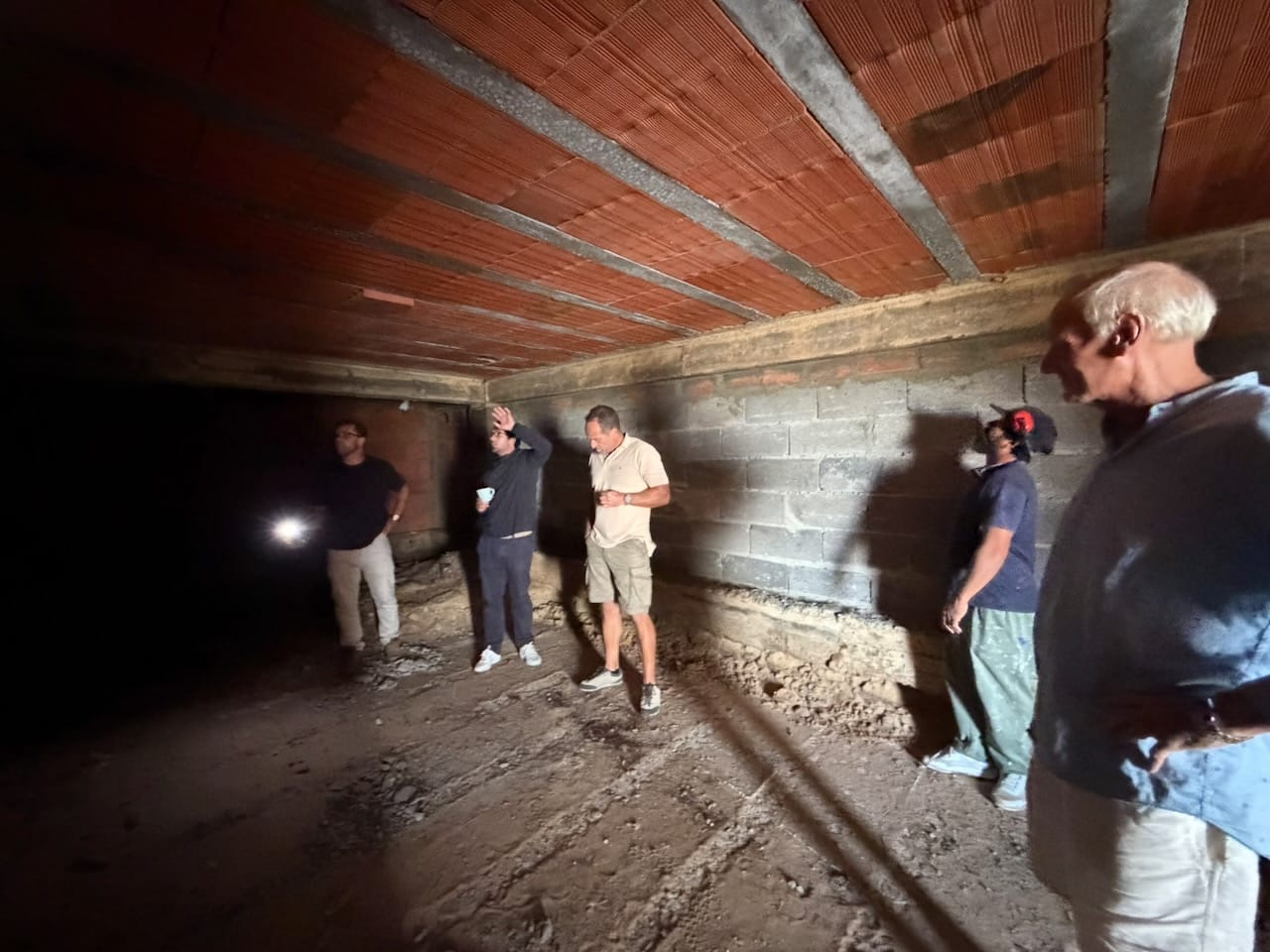
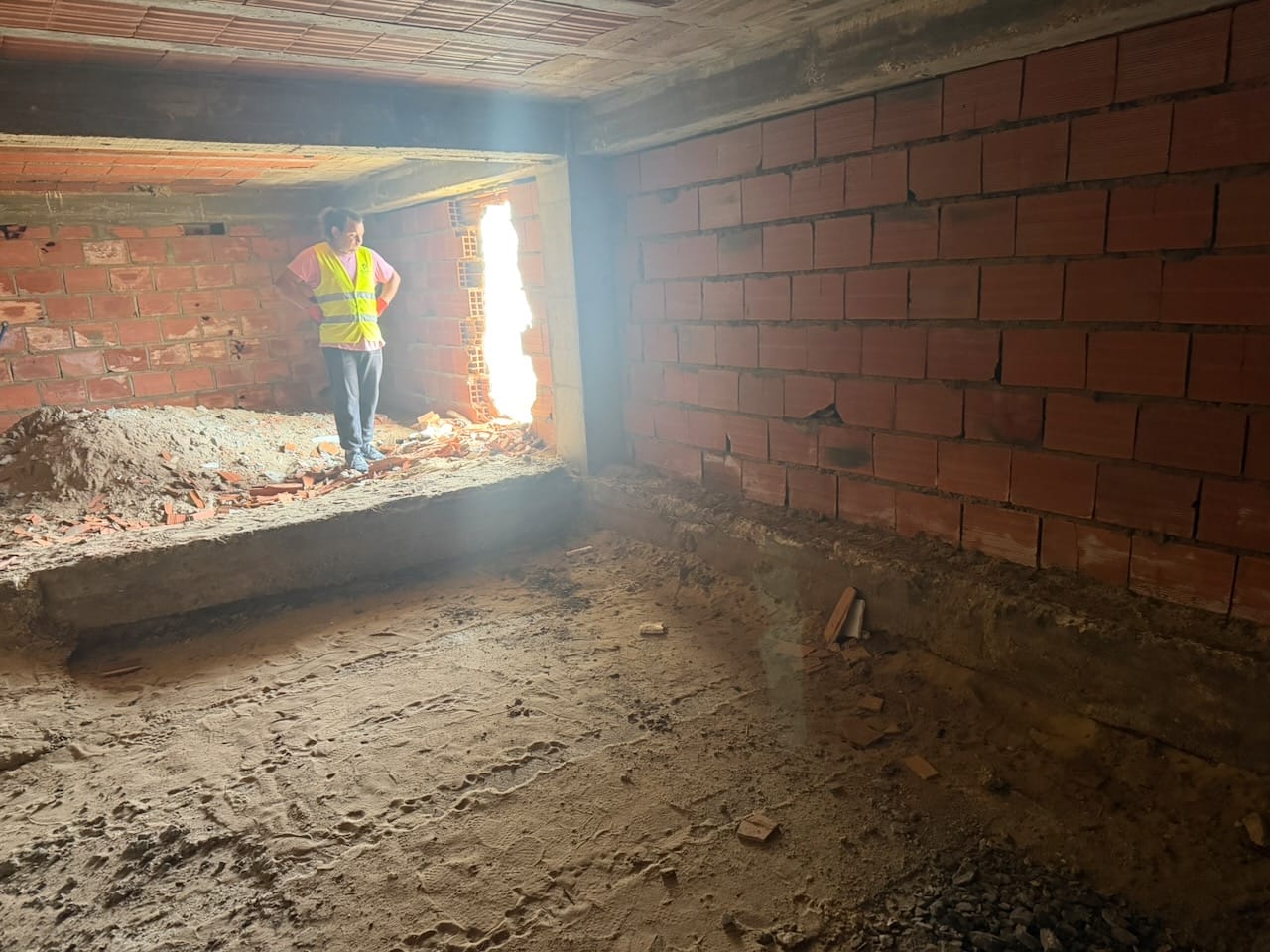
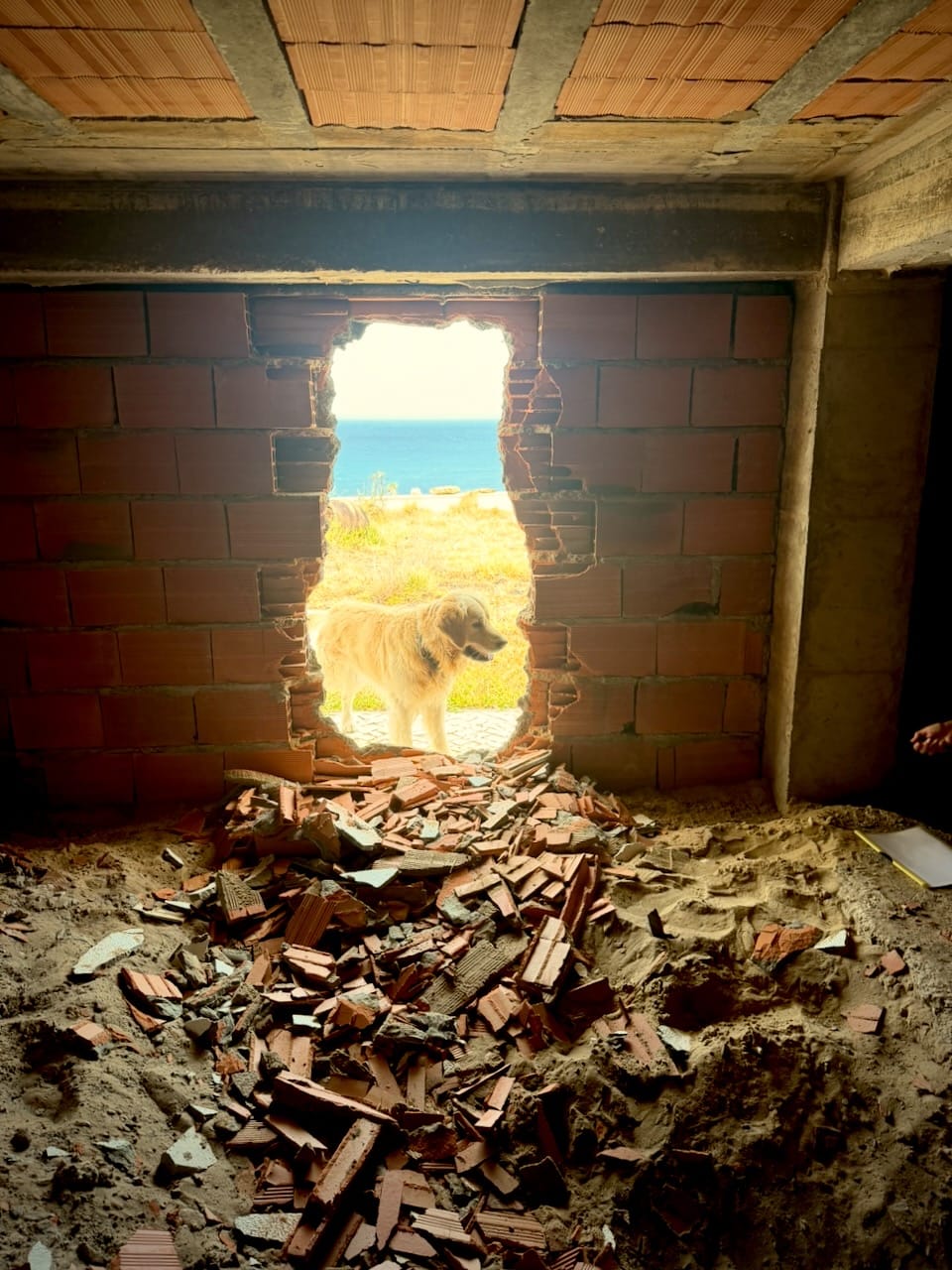
It is also a few yards from the beach.
We obviously have to deal with the minor matters of walls, floors, electricity, plumbing and everything else that separates a working studio from a large underground hole. Eventually we intend for it to be set up for etching, collagraph, cyanotype and large-format printing, along with all the other things that will inevitably creep in once there is a large empty room and nobody sensible supervising us.
So this is going to be Studio Atlantic. An actual studio. Facing the Atlantic. I have the logo already.
We’re hoping to run the first short retreats there in late 2027. Very small groups, for a few days at a time.
No grand programme. Out onto the beach or across to the pine forest in the morning to look, gather and photograph.
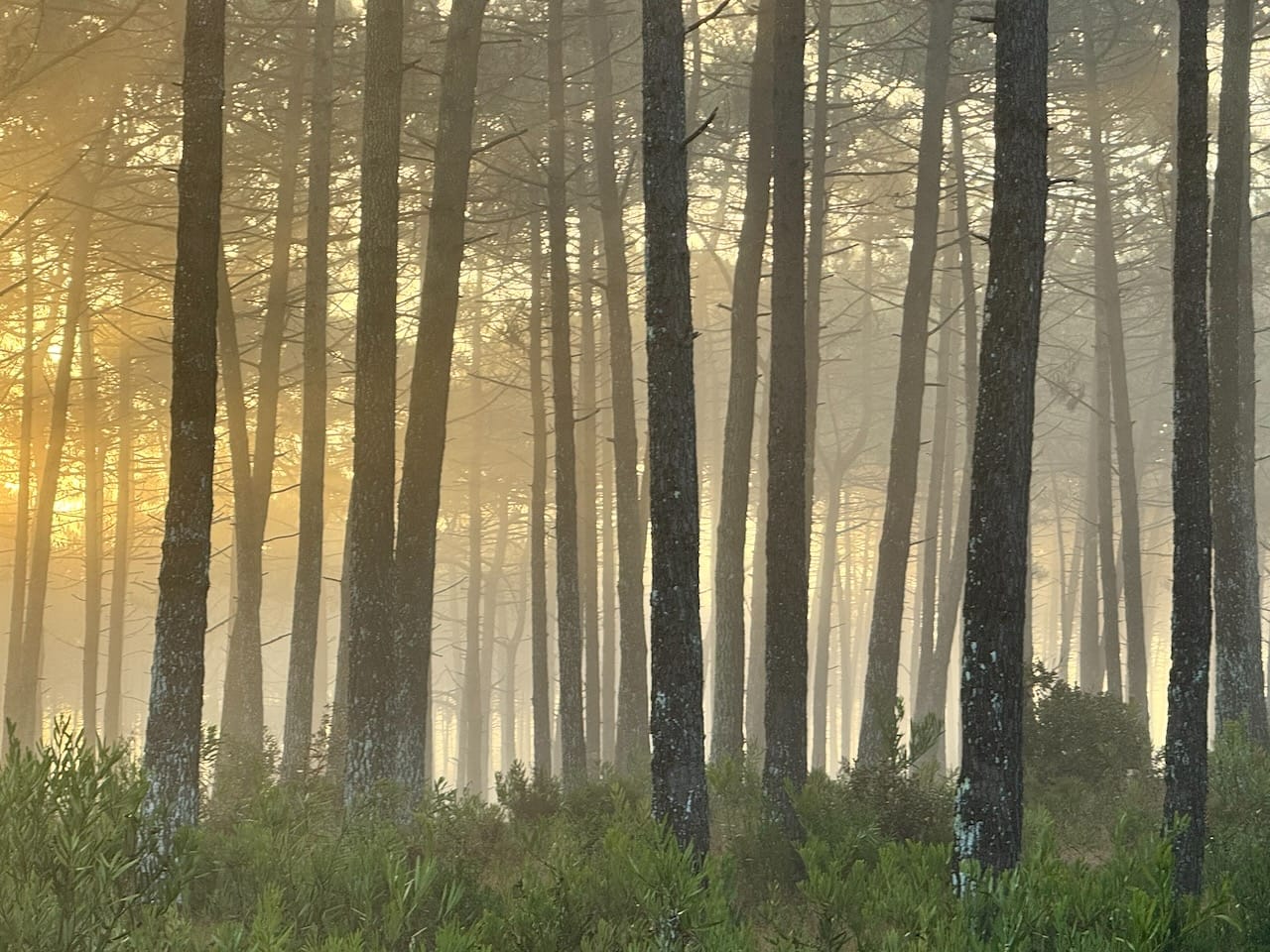
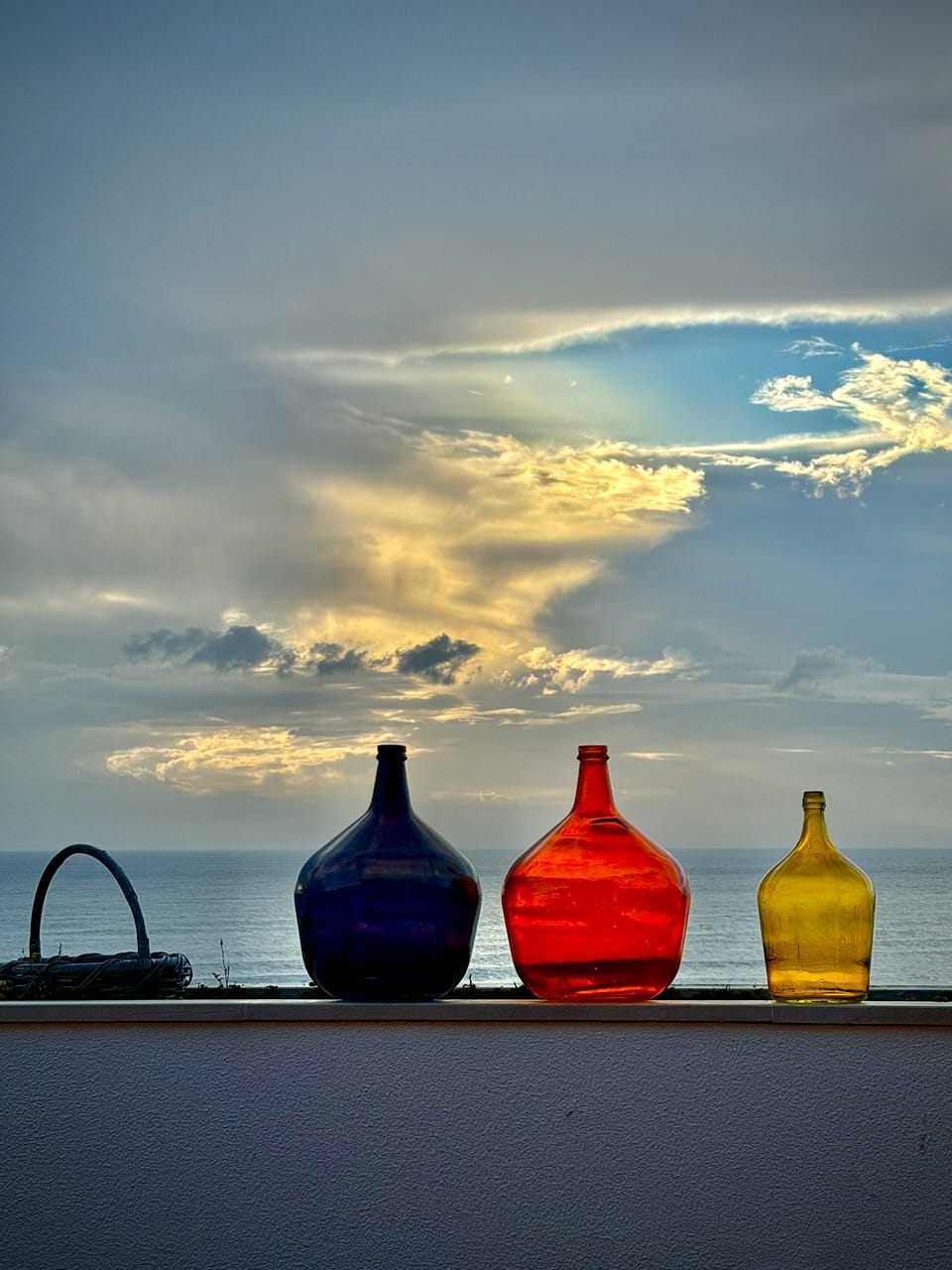
The Atlantic here is wonderfully capricious: sometimes flat and silvery, sometimes throwing itself at the cliffs, and quite capable of changing character while you’re standing there. Above it, the cloudscapes can be enormous — weather and light moving in from the west, briefly remaking the whole place.
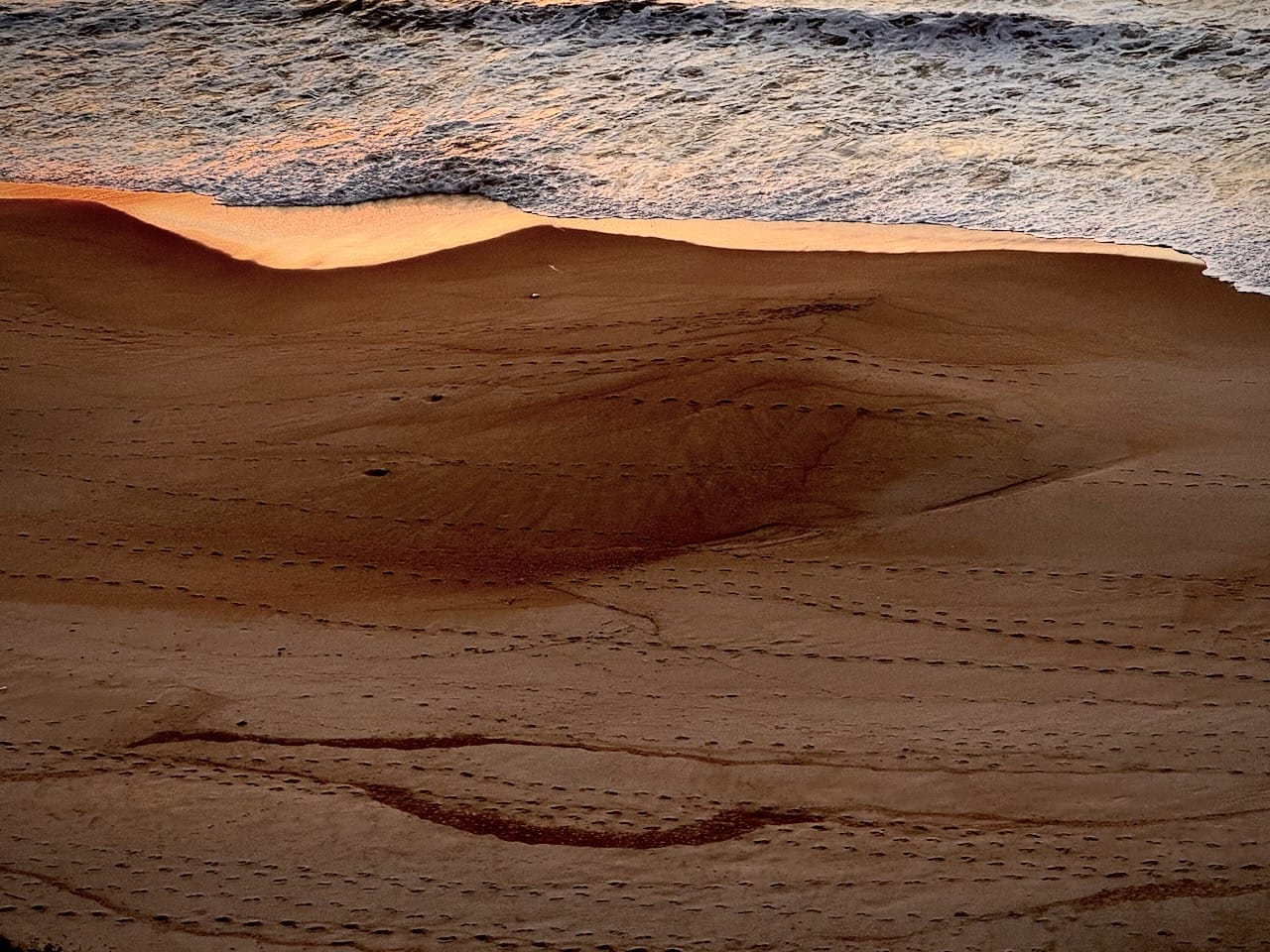
The cliffs at Pedra do Ouro are every bit as golden as the name suggests. Jurassic exposures; the shifting sands and the tide that wipes the slate clean twice a day. Things arrive, things disappear, rock falls, pools empty, seaweed gathers, the shoreline rearranges itself.
Back to the studio in the afternoon with pockets full of questionable objects, several hundred photographs, and no particular obligation to make any of them behave.
We’ll open expressions of interest properly once the room is finished and the press has arrived.
If you’d like to be on that list for anything mentioned above, just send us an email . The tours will be priced up and ready to book in a few days; the studio offering will be launched early next year.