Never finished. Only trusted.
Here's a story about Pierre Bonnard – it may be apocryphal, but I like to think not. He supposedly slipped a small box of paints into the Louvre, persuaded a friend to distract the guard, and disappeared to retouch one of his own paintings while it hung on the wall – a finished painting hanging in the Louvre, if you please! It would be good enough for most of us. Except Bonnard thought otherwise.
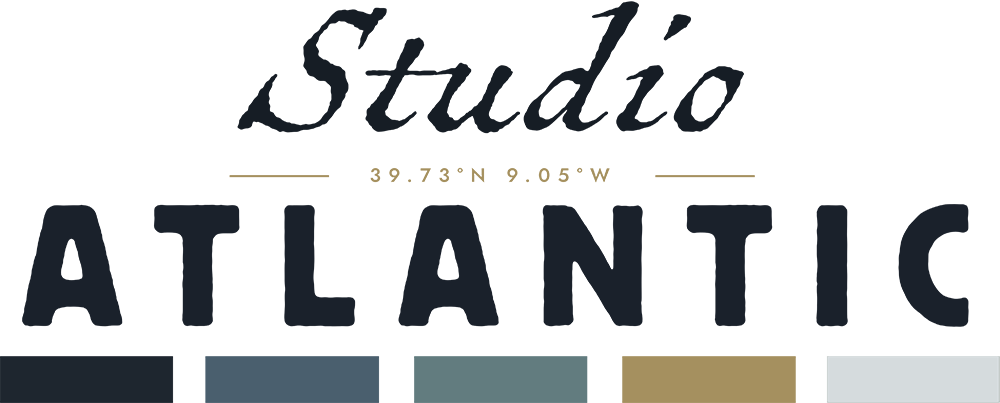
I've already talked about how much time I've wasted on the Studio Atlantic logo. I obsessed over the weight of the lettering. I tried to capture the perfect shade of blue—was it the summer sea, the stormy sea, or the misty sea at dawn? Even the casual swirl of the brush mark made me wonder if it should look like the ocean, or if that would be too obvious.
Seasons passed. Tides advanced and receded. You'd better believe that generations of mayflies lived meaningful lives and died while I adjusted that wretched font. Yet finally, I decided I had it. I sat back, pleased, and called it finished.
Today I'm not so sure. I am seeing it differently. How is it that today I can see that it is unbalanced while yesterday I could not? And I don't mean a little unbalanced. I am talking off-kilter in the way you cannot unsee once you have noticed it. Like the crooked picture frame that ruins a whole room. The timing is perfect. I am packing up and leaving England for good in two days. What else should I be doing with my time?
So what does that say about a person? The charitable view is that they simply cannot make up their mind. Or is it a case of perfectionism having tipped into obsession, a refusal to let anything be good enough? Don't think I haven't wondered that myself more than once, usually at two in the morning, fretting over fonts and kerning and wondering what David Carson would have to say about it.
Clearly the work did not change overnight. It was my perception that shifted. The version I made two weeks ago was the best I could do at that time. Ten days later, something began to nag, and what I thought hung together beautifully was mismatched and awkward. This is about more than indecision. The passage of time removes the emotional noise, and after a while, what we are able to see is not the thing we battled into existence but simply a collection of shapes and colours.
There's a bigger principle at stake here. The same rule applies to a logo as it does to a collection of images made during an expensive tour, a complex printing process, or a body of work I have been arguing with for a year. The hours I spent on the version I am about to throw out were not wasted. They had to be worked through because they were the cost of being able to see over the next hurdle. There really is no shortcut – if only we could get there more quickly by simply guessing harder at the start. Sadly it doesn't work that way. We get there by making a steady succession of wrong things, then living with them for a while and then letting it tell us where it falls short.
Painters have always known this. De Kooning often scraped whole days' work back to the bare canvas and began again on top of the remnants. Others hide their canvases away and don't look at them again until they are confident they can view them dispassionately. The waiting, then looking again, is simply part of the process.
Paul Valéry said a poem is never finished, only abandoned. I think there is a better word for it than that. Abandoned implies it was something you walked out on. I think a better word is trusted. At some point, you trust that the gap between what you hoped for and what you made has closed far enough and you let it go.
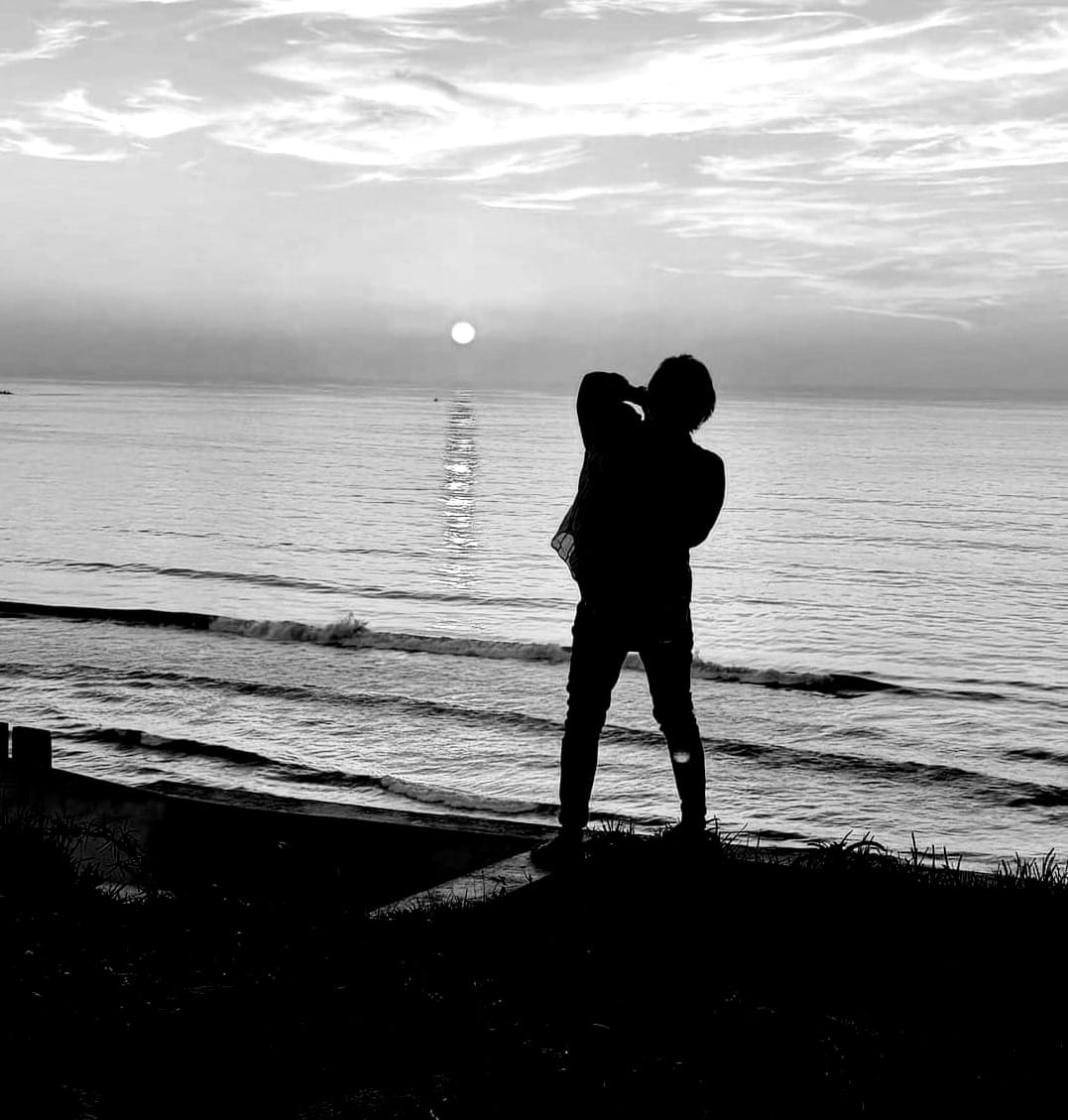
This is a particularly unfortunate dilemma for photographers trying to move beyond straightforward representation. We have picked an activity that produces a ready-made image in an instant – the captured fraction of a second. Cartier-Bresson called it the decisive moment, and for many that became – and still remains – the holy grail. Press the shutter at exactly the moment, and the picture is made. Done and dusted. A bit of dodging and burning in the darkroom perhaps, but certainly no box of paints smuggled into the gallery afterwards. No scraping back to the bare canvas.
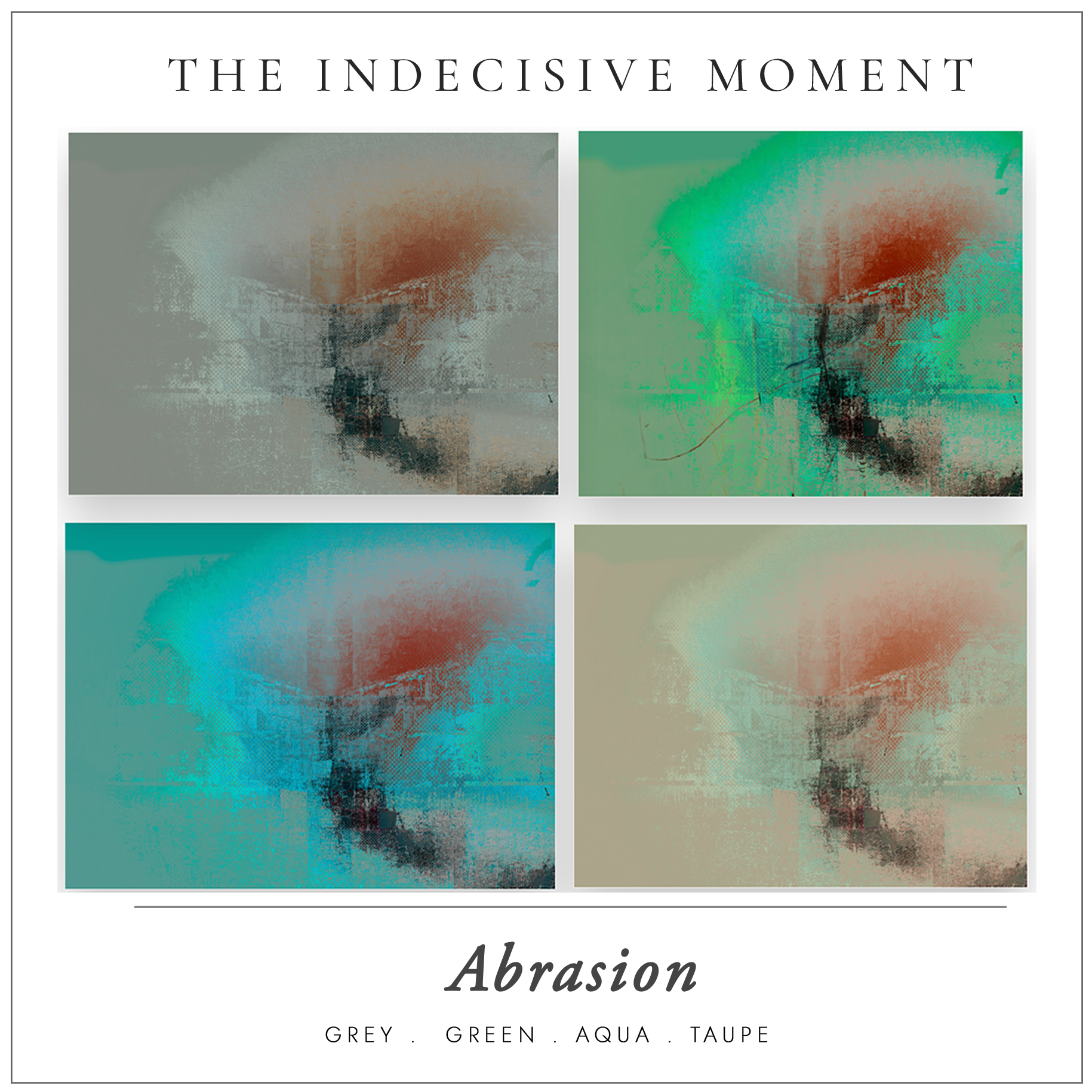
Except that is not the kind of photography we are immersed in. I have spent years trying to pull the decisive moment out of shape. Long exposures that blur and distort. Very little is predictable. I think I've spent years pushing against the restraints of the medium. Probably longer than I care to admit. The fraction of a second has always been woefully inadequate. I want the painter's freedom, the one Bonnard took by force in the Louvre, to keep going back and tweaking just a little bit more.
It is easy enough to build the gap deliberately rather than waiting for it to ambush you. Make something and put it aside. Print it small and prop it up somewhere you will pass by now and again. In time you will be able to look at it the way a stranger would, the way you look at someone else's work in a gallery, with no investment in defending the choices made. If the time arrives that it looks wrong – and of course, it doesn't always – accept that it is part of the process. It is the moment you finally became a good enough reader of your own work to improve it.
So I have revamped this innocent little logo again. Gathered it up and twisted it into something else. Who knows how I will feel about it in a month? Right now it doesn't bear thinking about.
The conundrum remains, however – how do you tell the difference between the version that is genuinely wrong and the version you have simply looked at for too long? Answers on a postcard, please.
In the meantime, I will go off and consider how the layout of the blog might be improved....